Best Time to Visit Paris: 6 Exclusive Guides
Paris isn’t just a destination—it’s an experience that transforms with each season, revealing different facets of its timeless elegance. For luxury travelers seeking the perfect Parisian escape, timing is everything. The difference between a good trip and an extraordinary one often comes down to knowing when the city unveils its most exclusive offerings, when five-star hotels offer their finest service, and when you can explore iconic landmarks without the crush of mass tourism.
This comprehensive guide presents six exclusive seasonal perspectives designed specifically for discerning travelers who expect nothing less than perfection. Whether you’re pursuing haute couture during Fashion Week, seeking intimate culinary experiences at Michelin-starred establishments, or simply wanting to stroll through Versailles gardens without competing for space, understanding Paris’s seasonal rhythms will elevate your journey from memorable to unforgettable.
The City of Light rewards those who plan strategically, offering premium experiences that vary dramatically throughout the year. From the blooming gardens of spring to the magical holiday season, each period presents unique opportunities for luxury travelers willing to look beyond conventional travel advice.
Table of Contents
Why Timing Your Paris Visit Matters for Luxury Travelers
Access to Exclusive Events and Experiences
Timing determines access to Paris’s most coveted events. Paris Fashion Week occurs twice yearly—in late February and late September—when the world’s fashion elite descends upon the city. Luxury travelers who plan around these dates gain access to exclusive shows, private viewings at flagship boutiques, and invitation-only cocktail parties. Similarly, the Biennale des Antiquaires, held every two years, attracts international collectors to the Grand Palais for eight days of rare art and jewelry exhibitions.
Premium Hotel Rates and Availability
Five-star Parisian hotels like Le Bristol, Four Seasons George V, and The Ritz implement dynamic pricing that can vary by 300% between peak and shoulder seasons. A suite at Plaza Athénée that costs €2,500 per night in July might be available for €900 in November. Beyond pricing, timing affects room selection—booking during quieter periods means access to corner suites, courtyard views, and personalized concierge attention that becomes scarce during high season.
Restaurant Reservation Success
Securing tables at three-Michelin-star establishments like Arpège, L’Ambroisie, or Alain Ducasse au Plaza Athénée requires strategic timing. These restaurants accept reservations exactly three months in advance, and prime slots disappear within hours. However, visiting during late January or early November increases your chances significantly, as fewer travelers compete for coveted 8 PM Friday reservations. Additionally, many top chefs close for August vacations, making summer timing crucial to avoid disappointment.
Crowd Management at Cultural Institutions
The Louvre receives 10 million visitors annually, but monthly distribution varies dramatically. August sees 1.2 million visitors compared to January’s 450,000. For luxury travelers seeking private or semi-private museum experiences, winter months offer VIP tour opportunities without the shoulder-to-shoulder congestion. The Musée d’Orsay, Versailles Palace, and Sainte-Chapelle all provide significantly enhanced experiences when visitor numbers drop by 60% during off-peak periods.
Weather and Outdoor Luxury Experiences
Paris’s climate directly impacts luxury outdoor activities. River cruises on the Seine, private champagne picnics in Luxembourg Gardens, or helicopter tours over the city require specific weather windows. May and September offer the statistical sweet spot—average temperatures of 18-20°C, minimal rainfall (45mm monthly), and 8+ hours of daylight. These conditions prove essential for experiences like hot air balloon rides over Château de Versailles or private garden tours at Monet’s Giverny.
Shopping and Personal Service Quality
How to Choose Your Perfect Paris Season Based on Travel Style
Luxury shopping along Avenue Montaigne and Rue du Faubourg Saint-Honoré transforms based on season. During July sales (soldes) and January clearances, even flagship stores become crowded and service quality diminishes. Visiting in March, October, or early December ensures personalized attention from sales associates, private fitting room access, and the full range of current collections. High-end jewelers like Van Cleef & Arpels and Cartier also reserve their most significant pieces for clients visiting during quieter months.
Matching Your Interests to Cultural Calendar
Paris’s cultural calendar should drive your timing decisions. Opera enthusiasts should target the Opéra Garnier season running September through July, with premiere performances in October and March. Classical music lovers find optimal experiences during the Orchestre de Paris season at Philharmonie, particularly the January subscription series. Art collectors should align visits with FIAC (International Contemporary Art Fair) in October or Paris Photo in November, when galleries unveil exclusive collections and host private viewings for serious buyers.
Defining Your Ideal Crowd Tolerance
Luxury travelers vary in their tolerance for crowds. Some thrive on the energy of high season, enjoying packed sidewalk cafés and vibrant street life. Others prioritize exclusivity and serenity. If you prefer minimal crowds, target late January through early March or late November. These periods see 50-60% fewer tourists while maintaining full access to attractions and services. For those who enjoy bustling energy without overwhelming crowds, late April through early June offers the perfect balance—pleasant weather and open-air terraces without July’s chaos.
Considering Weather Preferences and Activities
Your planned activities should dictate weather requirements. Photography enthusiasts seeking that perfect golden-hour shot along the Seine need the extended daylight of May and June (sunset at 9:45 PM). Travelers planning extensive walking tours through Marais or Montmartre should avoid July’s 28°C+ temperatures and seek the comfortable 15-18°C range of May or September. Winter luxury travelers who prioritize indoor experiences—museums, restaurants, shopping—will find December through February perfectly suited, with the added bonus of festive decorations and fewer tourists.
Budget Flexibility and Value Optimization
Even luxury travelers appreciate value. Paris operates on a three-tier pricing system: peak season (June-August, December 20-31), shoulder season (April-May, September-October), and low season (January-March, November). A week at a luxury hotel during low season costs what four nights would during peak periods. However, this calculation must include experience quality—paying premium rates for July means accepting crowds and potential restaurant closures. September often represents the optimal value proposition: 30% lower rates than July with superior weather and full restaurant operations.
Aligning with Fashion and Shopping Goals
Fashion-focused travelers should structure their visits around Paris’s retail calendar. Spring/Summer collections arrive in stores during February and March, while Fall/Winter pieces debut in August and September. However, the optimal shopping window occurs 4-6 weeks after collection launches, when full size runs remain available but initial frenzy has subsided. For vintage and antique shopping, May’s Marché aux Puces de Saint-Ouen reaches peak inventory as dealers prepare for summer tourist season, while September brings fresh inventory from summer estate sales.
Personal Schedule and Booking Lead Time
Luxury Paris travel requires extensive advance planning. Top hotels in the palace category (George V, Le Meurice, Ritz) should be booked 6-9 months ahead for preferred rooms during optimal seasons. Three-Michelin-star restaurants require 3-month advance reservations. Private experiences—from after-hours Louvre tours to exclusive wine tastings in Champagne cellars—need 4-6 months lead time. If your schedule only allows 2-3 months planning time, consider shoulder season visits when availability improves significantly, or work with a luxury travel advisor who maintains relationships with key properties.
The 6 Exclusive Seasonal Guides to Luxury Paris
Guide 1: Spring Elegance (Mid-March to May)
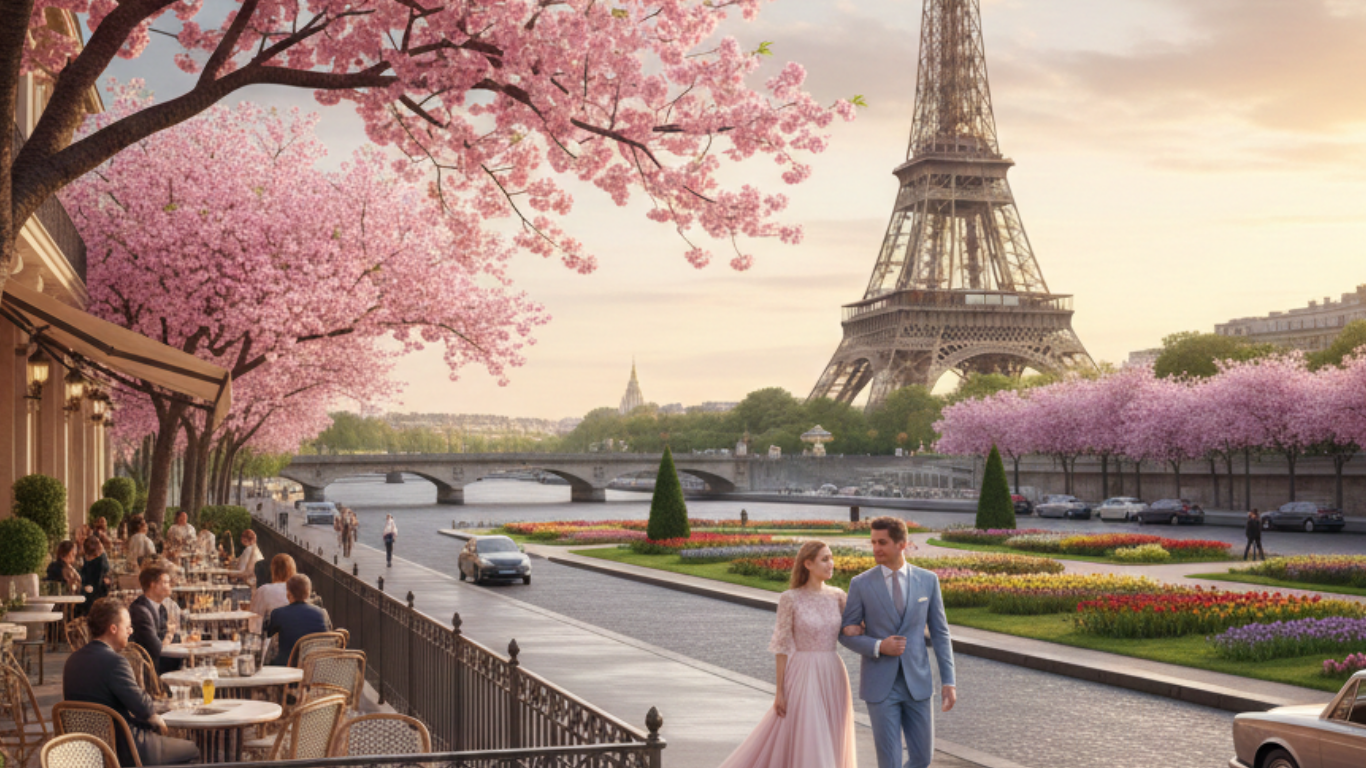
Weather and Atmosphere: Spring transforms Paris into a living Impressionist painting. Average temperatures climb from 12°C in March to 18°C by May, with cherry blossoms blooming in Parc de Sceaux and tulips carpeting Tuileries Gardens. Daylight extends dramatically—sunset moves from 6:30 PM in March to 9:15 PM by late May, perfect for extended evening strolls.
Luxury Hotel Sweet Spots: This season offers exceptional value at palace hotels. Le Bristol’s garden-view rooms showcase their private courtyard in full bloom, while La Réserve Paris opens its rooftop terrace with panoramic city views. Book corner suites at Shangri-La Paris for unobstructed Eiffel Tower views framed by spring foliage. Rates run 25-35% below summer peaks while service quality remains impeccable.
Culinary Experiences: Spring brings seasonal menus focused on white asparagus, spring lamb, and fresh morels. L’Astrance creates its most innovative tasting menus during this period, while Alain Ducasse au Plaza Athénée showcases vegetables from Versailles gardens. Book cooking classes at Le Cordon Bleu during April—smaller class sizes ensure personalized attention from master chefs.
Cultural Highlights: Art Paris Art Fair in early April attracts 150 galleries to the Grand Palais, offering serious collectors first access to contemporary works. The Orchestre de Paris presents its spring subscription series, and opera season at Palais Garnier reaches its crescendo with premiere productions. Private gallery tours in Saint-Germain-des-Prés become possible as crowd levels allow intimate viewings.
Shopping Advantages: Spring/Summer fashion collections reach full availability in boutiques along Avenue Montaigne. Personal shoppers at Dior, Chanel, and Louis Vuitton can dedicate proper time to clients without holiday rush pressure. Hermès typically releases limited-edition Kelly and Birkin bags to preferred clients during April and May, making this ideal timing for serious collectors.
Exclusive Activities: Book private tours of Versailles gardens as 400-year-old trees burst into bloom and fountain shows resume. Arrange helicopter tours to Champagne region for private tastings at prestigious houses like Krug and Salon. Seine river cruises on luxury vessels like Ducasse sur Seine operate at full capacity with outdoor seating becoming viable by late April.
Guide 2: Early Summer Sophistication (June to Mid-July)
Peak Season Dynamics: Early summer represents Paris at its most vibrant—café terraces overflow with patrons, Luxembourg Gardens fill with locals enjoying long daylight hours, and the city pulses with energy. Average temperatures range 18-24°C, ideal for outdoor dining and exploration. Sunset occurs after 10 PM in late June, maximizing daylight for activities.
Strategic Hotel Selection: Despite being peak season, early June (before school holidays begin mid-month) offers better availability than July. Book suites with private terraces at Le Meurice or balcony rooms at Hôtel de Crillon—outdoor space becomes invaluable during this season. Palace hotels often include complimentary champagne for arrivals during this period to celebrate summer’s arrival.
Dining Al Fresco: Parisian dining reaches perfection when restaurants open their gardens and terraces. L’Ambroisie’s courtyard in Place des Vosges, Le Cinq’s garden terrace at George V, and Le Jules Verne’s views from Eiffel Tower all require advance reservations. Book rooftop restaurants like Le Perchoir for sunset aperitifs—these fill weeks in advance during summer months.
Summer Cultural Events: June brings Festival de Saint-Denis (classical music in Gothic basilica), Fête de la Musique (free concerts city-wide on June 21), and Paris Jazz Festival in Parc Floral. Roland-Garros tennis tournament in late May/early June attracts international elite—luxury packages include courtside seats, champagne service, and private player meet-and-greets.
Fashion Week Alternatives: While major fashion weeks occur in February and September, June hosts Haute Couture Week—a more intimate, exclusive event showcasing custom creations for elite clientele. Attendance is invitation-only, but luxury travelers can book private appointments at ateliers like Dior, Chanel, and Givenchy to view pieces from these collections.
Day Trip Excellence: Extended daylight hours make June perfect for luxury day trips. Private tours to Monet’s gardens in Giverny catch flowers at peak bloom. Château de Vaux-le-Vicomte offers candlelit evening visits with classical music performances. Loire Valley castle tours by private helicopter allow visiting three châteaux in a single day with champagne picnic lunches.
Guide 3: Late Summer Transition (Mid-July to August)
Understanding August Dynamics: Paris transforms in August as locals depart for vacation—approximately 40% of Parisians leave the city. This creates a paradox: many restaurants and boutiques close (particularly during the first two weeks), but major attractions become more accessible. Temperatures peak at 25-28°C, with occasional heat waves reaching 35°C+.
Hotel Strategy During Peak Summer: Palace hotels remain open and maintain full service, often with special summer packages. Le Bristol, George V, and Ritz Paris all feature pools or garden terraces that justify summer visits despite heat. Book rooms with air conditioning (surprisingly, not universal even in luxury properties) and request garden-facing accommodations for quieter environments away from street noise.
Navigating Restaurant Closures: Research is essential—many Michelin-starred restaurants close entirely during August. However, exceptions include Le Cinq (George V), Alain Ducasse au Plaza Athénée, and Epicure (Le Bristol), which remain open serving summer menus. Hotel restaurants generally maintain operations, and this period allows access to typically fully-booked establishments. Make reservations 2-3 months ahead for remaining open restaurants.
Cultural Adjustments: Major museums remain open but with modified schedules. The Louvre stays open until 9:45 PM on Wednesdays and Fridays during summer, allowing evening visits during cooler hours. Musée d’Orsay extends Thursday hours until 9:45 PM. Paris Plages transforms Seine riverbanks into artificial beaches with sand, palm trees, and summer programming—a surprisingly charming experience when embraced rather than avoided.
Shopping Considerations: The Summer Sales (soldes d’été) begin in late June and run through July, offering 30-70% discounts at luxury boutiques. While serious collectors avoid sales periods, this timing suits travelers seeking high-end purchases at reduced prices. Flagship stores on Champs-Élysées and Opéra district become crowded, but boutiques in Le Marais and Saint-Germain-des-Prés maintain better service quality.
Unexpected Advantages: August offers unique benefits—outdoor opera at Château de Versailles, open-air cinema in Parc de la Villette, and jazz concerts in gardens across the city. With fewer Parisians in residence, luxury hotels provide exceptional service as staff ratios improve. Private city tours become more flexible, and helicopter companies offer extended sunset flights taking advantage of 10 PM daylight.
Guide 4: Autumn Excellence (September to October)
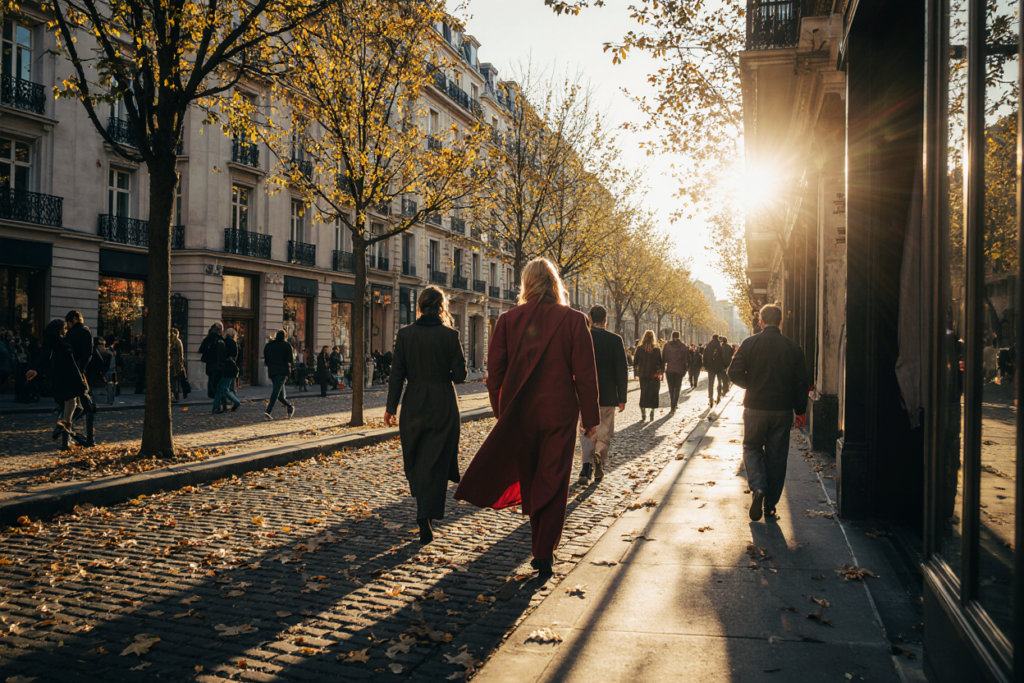
The Golden Season: Many luxury travel experts consider September through October the absolute best time to visit Paris. Weather remains pleasant (15-20°C), tourist crowds diminish by 40% post-summer, and the city returns to full operational status. Fall foliage in Luxembourg Gardens, Tuileries, and along the Seine creates stunning backdrops for photographs.
Fashion Week Energy: Paris Fashion Week in late September brings international style elite, creating vibrant energy throughout the city. While shows themselves are invitation-only, the overflow of fashion editors, buyers, and influencers elevates the dining and nightlife scene. Book hotels in the 8th arrondissement near show venues, and make dinner reservations near Palais de Tokyo and Grand Palais for people-watching opportunities.
Optimal Hotel Conditions: Autumn represents peak value-to-experience ratio. Palace hotels reduce rates by 20-30% from summer while maintaining impeccable service. Request rooms overlooking gardens at Shangri-La or Le Bristol to enjoy fall colors. The Ritz Paris’s garden courtyard and La Réserve’s terrace remain usable through October, extending outdoor luxury experiences beyond summer.
Culinary Peak Season: Autumn brings truffle season, game menus featuring venison and wild boar, and mushroom-focused tasting menus. Three-Michelin-star restaurants like L’Arpège and Pierre Gagnaire create their most ambitious dishes during this period. Wine harvest in nearby regions makes October ideal for Champagne house visits and Burgundy wine tours via private driver or helicopter.
Cultural Renaissance: The Orchestre de Paris launches its new season in September, and opera productions premiere at both Palais Garnier and Opéra Bastille. FIAC (International Contemporary Art Fair) in October draws 75,000 visitors and 200 galleries to the Grand Palais—serious collectors should allocate 2-3 days for gallery hopping and private viewings. Paris Photo in November showcases rare photographic works from 200+ galleries worldwide.
Extended Daylight Benefits: September maintains sunset times around 8 PM, providing ample evening light for Seine cruises, rooftop cocktails, and extended museum visits. By October, earlier sunsets (around 7 PM) create magical twilight hours perfect for photography at Sacré-Cœur, along Pont Alexandre III, and from Trocadéro viewing platforms facing the illuminated Eiffel Tower.
Guide 5: Winter Magic (November to February)
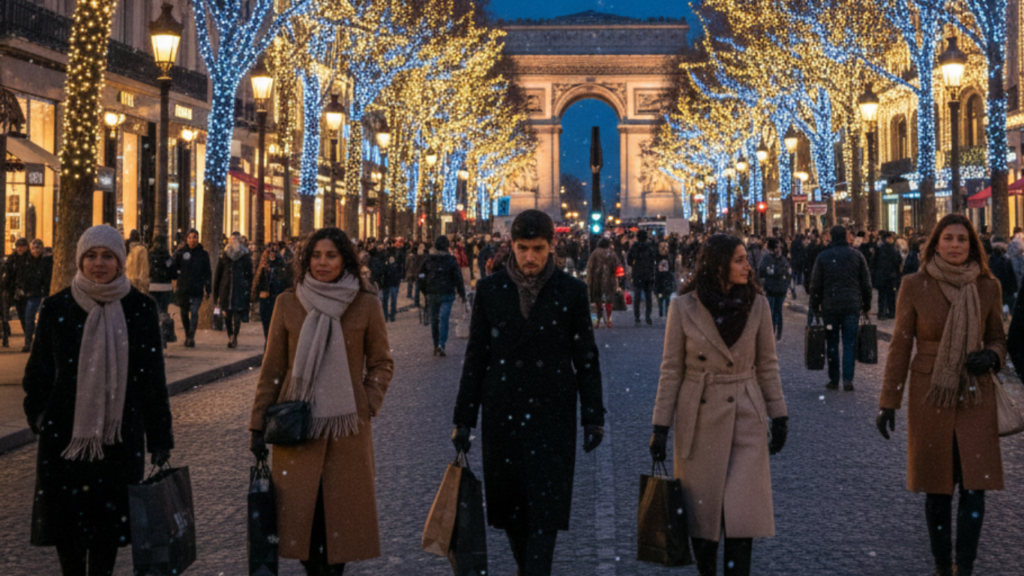
Holiday Season Splendor: Paris transforms into a winter wonderland from late November through January. Champs-Élysées illuminations feature 200+ trees wrapped in millions of LED lights, while Galeries Lafayette unveils its legendary animated window displays. Place Vendôme boutiques—Chanel, Dior, Van Cleef & Arpels—compete for most spectacular holiday decorations, creating unparalleled photo opportunities.
Strategic Winter Timing: The period from December 20-31 becomes extremely expensive and crowded—avoid if possible. Instead, target early December (1-15) for holiday ambiance without peak pricing, or January-February for lowest rates and minimal crowds. Late January sales (soldes d’hiver) offer 30-70% discounts at luxury boutiques, though selection becomes limited by February.
Luxury Hotel Winter Packages: Palace hotels create special winter experiences—Le Meurice partners with Valmont Spa for exclusive treatments, while George V offers Christmas afternoon tea in its flower-filled lobby. The Ritz Paris unveils its Salon Proust in full holiday splendor, and Hôtel de Crillon’s Brasserie d’Aumont serves winter truffle menus. Request rooms with Eiffel Tower views for magical nighttime illumination views.
Indoor Cultural Experiences: Winter suits travelers prioritizing museums, shopping, and gastronomy over outdoor activities. The Louvre, Musée d’Orsay, and Musée Rodin see 50-60% fewer visitors than summer months, making January-February ideal for leisurely, crowd-free exploration. Book after-hours private tours—available through luxury travel advisors—for completely solitary experiences in iconic galleries.
Exceptional Dining Opportunities: Top restaurants maintain full operations during winter (except Christmas week), and reservation competition decreases substantially. This is the season to secure that elusive Friday evening table at L’Ambroisie or weekend dinner at Arpège. Winter menus feature luxurious comfort foods—foie gras, black truffles, oysters—and extended wine lists as sommeliers have more time for consultations.
Winter Advantages Beyond Expectations: Indoor shopping at Galeries Lafayette, Printemps, and Le Bon Marché becomes pleasurable rather than overwhelming. Luxury spas at palace hotels—Guerlain Spa at Waldorf Astoria, Dior Institut at Plaza Athénée—offer easier booking access. Winter theater and opera seasons peak, with premiere productions at Comédie-Française and experimental works at Théâtre du Châtelet. December Christmas markets at Notre-Dame, Champs-Élysées, and La Défense offer authentic Parisian holiday atmosphere.
Guide 6: Shoulder Season Secrets (March and November)
The Insider’s Choice: Experienced luxury travelers increasingly favor March and November—the true shoulder seasons when Paris operates at full capacity without crowds or premium pricing. These months offer 40-50% lower hotel rates than peak season, minimal tourist congestion, and authentic Parisian atmosphere as locals dominate the city rather than visitors.
March Awakening: Early March brings emerging spring energy as cafés reopen terraces, fashion boutiques unveil Spring/Summer collections, and daylight extends noticeably week by week. Temperatures range 8-14°C—crisp but manageable with proper clothing. This period requires strategic packing (layers, light coat, umbrella) but rewards with near-empty attractions and exceptional restaurant availability.
November Sophistication: November embodies Parisian elegance—locals dress impeccably, holiday decorations begin appearing, and the city feels intimate rather than touristy. Average temperatures of 8-12°C keep visitors minimal while Paris operates fully. The Salon du Chocolat (late October/early November) attracts chocolate artisans worldwide, and Beaujolais Nouveau release (third Thursday of November) fills wine bars with celebratory tastings.
Shoulder Season Hotel Strategies: This is when luxury travelers can access normally out-of-reach accommodations. Royal Suites at Le Meurice or George V, typically booked months ahead, may become available with 2-4 weeks notice. Palace hotels often include added value—spa credits, room upgrades, complimentary breakfast—to attract guests during quieter periods. Negotiate directly with hotel concierge for potential unpublished packages.
Restaurant Accessibility Revolution: Tables at three-Michelin-star establishments that require 90-day advance booking in June can sometimes be secured with 3-4 weeks notice in March or November. Call restaurants directly rather than using reservation platforms—personal relationships matter, and speaking with maître d’s directly occasionally yields last-minute availability for solo diners or couples willing to accept early (7 PM) or late (10 PM) seating.
Cultural and Shopping Benefits: March brings Art Paris preview days for serious collectors, while November features Paris Photo (contemporary photography fair) and pre-holiday shopping without crowds. Luxury boutiques provide exceptional personal service—dedicated sales associates, private fitting rooms, and proper time for consultation without summer rush pressure. This timing also allows access to custom services like bespoke tailoring at Charvet or made-to-order shoes at Berluti.
Common Mistakes Luxury Travelers Make When Planning Paris Visits
Booking During August Without Research
The most frequent error is assuming summer equals optimal timing. While warm weather appeals, August presents serious limitations—30-40% of restaurants close for annual vacation (typically first two weeks), many luxury boutiques have reduced hours, and heat waves can make walking tours uncomfortable. Travelers pay peak-season hotel rates while receiving diminished experiences. Solution: If summer visits are mandatory, target late June or early September when Paris operates at full capacity with pleasant weather but fewer closures.
Underestimating Restaurant Reservation Timelines
Luxury travelers often assume their concierge can secure last-minute reservations at top restaurants—a costly miscalculation. Three-Michelin-star establishments like L’Ambroisie, Arpège, and Alain Ducasse accept reservations exactly three months in advance, with prime slots (Thursday-Saturday, 8-9 PM) filling within hours. Some restaurants maintain waitlists, but relying on cancellations is unreliable. Start reservation process immediately after booking flights—even six months ahead isn’t too early for dream restaurants.
Ignoring French Holiday Calendar
France observes 11 public holidays, during which museums may close, restaurants operate on reduced schedules, and shops shutter entirely. Critical dates include May 1 (Labour Day—virtually everything closes), July 14 (Bastille Day—massive crowds), August 15 (Assumption—many closures), November 1 (All Saints’ Day), and December 25-26. Additionally, many businesses close for extended periods around these holidays. Always cross-reference travel dates against French holiday calendar and build flexibility into itineraries.
Choosing Hotels Based Solely on Location or Brand
Not all palace hotels suit every traveler. Le Bristol excels for families with its private garden and pet-friendly policies. George V suits art lovers with its extensive collection and flower arrangements. Shangri-La Paris offers unmatched Eiffel Tower views. The Ritz attracts fashion-focused guests for its proximity to Place Vendôme boutiques. Rather than defaulting to most famous names, define priorities (view, spa, dining, location, historical significance) and match hotels accordingly. Work with luxury travel advisors who know properties intimately.
Overlooking Advance Booking for Special Experiences
Beyond restaurants, many exclusive Paris experiences require significant advance booking: after-hours Louvre tours (3-4 months), private Versailles garden tours (2-3 months), helicopter champagne tours (1-2 months), fashion house atelier visits (2-6 months depending on brand), cooking classes at prestigious schools (1-3 months), and premier opera performances (3-6 months for best seats). Last-minute travelers face sold-out situations or significantly inferior alternatives. Create detailed itinerary 4-6 months before travel and begin booking immediately.
Misunderstanding Parisian Service Culture
American luxury travelers sometimes misinterpret Parisian service as cold or unwelcoming when it’s actually a different cultural approach emphasizing professionalism over familiarity. French luxury service respects personal space, values quiet sophistication over effusive friendliness, and rewards proper etiquette. Learn basic French phrases (bonjour, s’il vous plaît, merci), dress appropriately for venues, and demonstrate respect for traditions. Service quality improves dramatically when travelers show cultural awareness and genuine appreciation rather than demanding American-style friendliness.
Frequently Asked Questions About Luxury Paris Travel Timing
What is the absolute best month to visit Paris for luxury travelers?
September and early October consistently rank as optimal for luxury travel. Weather remains pleasant (16-20°C), summer crowds dissipate, restaurants and boutiques resume full operations after August closures, and hotel rates drop 20-30% from peak summer pricing. Paris Fashion Week in late September adds cultural excitement, while fall foliage creates stunning backdrops. Additionally, this timing allows booking premier restaurants with 2-3 months advance notice rather than the instant sell-outs of summer months.
How far in advance should I book luxury Paris hotels?
For palace category hotels (Le Bristol, George V, Ritz Paris, Le Meurice), book 6-9 months ahead during optimal seasons (April-June, September-October). Specific rooms—corner suites with Eiffel Tower views, garden-facing accommodations, or historical suites—disappear first. During shoulder seasons (March, November), 3-4 months typically suffices. If booking last-minute (under 6 weeks), work with luxury travel advisors who maintain relationships with hotel general managers and may access unpublished availability or upgrades.
Can I visit Paris in winter and still have a luxury experience?
Absolutely—winter (December-February) offers distinct advantages for luxury travelers prioritizing culture, gastronomy, and shopping over outdoor activities. Museums become nearly empty, premier restaurants have better availability, luxury boutiques provide personalized service, and hotel rates drop 30-50%. December holiday decorations create magical ambiance, while January-February sales offer genuine luxury goods discounts. Pack appropriately for 3-8°C temperatures, embrace indoor experiences, and enjoy Paris at its most authentic when locals outnumber tourists significantly.
What about Paris Fashion Week—should I plan my trip around it?
Fashion Week creates vibrant energy but also challenges. Hotels near show venues (8th arrondissement) increase rates and book solid. Restaurants become extremely competitive as fashion industry professionals fill reservations. However, if fashion interests you, the atmosphere proves exhilarating—sidewalk style-watching, pop-up exhibitions, and exclusive boutique events justify the premium. Book hotels 6-9 months ahead, make restaurant reservations immediately, and understand that casual sightseeing becomes more crowded. For travelers uninterested in fashion, avoid these periods entirely.
How do I secure reservations at three-Michelin-star restaurants?
Start exactly three months before desired dining date—most top restaurants open reservations precisely 90 days ahead. Set calendar reminders and call European morning hours (3-5 AM Eastern US time) when lines open. Request specific tables if preferences exist (window seating, chef’s table). If fully booked, ask about waitlists and provide hotel contact information. Some restaurants (L’Ambroisie, for example) only accept phone reservations—no online systems. Consider working with luxury travel advisors or hotel concierges with established relationships, as they sometimes access reserved tables or cancellation lists unavailable to public.
Is it worth visiting Paris in July or August despite the heat and closures?
This depends entirely on priorities and flexibility. If summer represents your only available travel window, Paris still offers exceptional luxury experiences—palace hotels maintain full operations, major museums stay open, and outdoor activities like Seine cruises reach peak season. However, research extensively: identify which restaurants remain open (typically hotel restaurants and tourist-focused establishments), book heat-friendly activities (river cruises, rooftop dining, air-conditioned museums), and embrace Paris Plages summer programming rather than fighting crowds at traditional attractions. Expect to pay premium prices for diminished restaurant options.
What is shoulder season and why do experts recommend it?
Shoulder seasons (March and November) occur between high and low seasons, offering optimal balance of weather, pricing, and experience quality. March brings emerging spring with temperatures around 10-14°C, extending daylight, and minimal tourists. November provides autumn atmosphere, holiday season beginnings, and crisp weather (8-12°C). Both months feature full restaurant and attraction operations, 40-50% lower hotel rates than peak season, exceptional service as properties aren’t overwhelmed, and authentic Parisian atmosphere. Experienced luxury travelers increasingly favor these periods for best overall value.
How does Paris weather affect luxury travel experiences?
Weather significantly impacts outdoor activities and overall comfort. May-June and September-October offer ideal conditions (16-22°C, minimal rain, extended daylight) for walking tours, garden visits, river cruises, and outdoor dining. July-August heat (25-30°C+) can make extensive walking uncomfortable but suits rooftop venues and air-conditioned museums. December-February cold (3-8°C) limits outdoor time but creates cozy atmosphere perfect for indoor cultural experiences, shopping, and gastronomy. Rain occurs year-round but peaks November-January—always pack compact umbrella regardless of season and embrace covered passages like Galerie Vivienne.
Should I avoid Paris during major holidays?
French holidays create mixed experiences. Bastille Day (July 14) offers spectacular celebrations including military parade and fireworks but brings massive crowds and higher prices. Christmas (December 24-25) sees most businesses close but hotels create special programming and holiday decorations peak. May 1 (Labour Day) shuts down virtually everything—avoid entirely. November 11 (Armistice Day) honors WWI with ceremonies but maintains normal operations. Research specific holiday impacts on your travel dates, build flexibility into itineraries, and consider whether holiday atmosphere enhances or detracts from your desired experience.
What’s the secret timing that only insiders know about?
True Paris insiders favor two specific windows: late April through mid-May (after Easter crowds, before summer tourism begins) and the first three weeks of November (after autumn tourism peak, before holiday season). These periods offer perfect weather convergence, minimal tourist presence, full operational capacity, and exceptional hotel value. Additionally, mid-January through February provides extraordinary deals—palace hotels at 50% discounts, empty museums, and best restaurant availability—for travelers unbothered by cold weather and willing to embrace winter Paris rather than fighting for perfect conditions.
Paris reveals its finest luxuries to travelers who understand its seasonal rhythms. By choosing the right timing for your preferences—whether seeking fashion week energy, cultural immersion, outdoor elegance, or winter magic—you transform a good trip into an extraordinary journey worthy of the City of Light’s timeless sophistication.