Paris Vacation Travel Guide: 7 Must-See Spots
Paris, the City of Light, has captivated travelers for centuries with its timeless elegance, world-renowned cuisine, and unparalleled cultural treasures. Whether you’re a first-time visitor or returning to rediscover its magic, navigating this magnificent city requires careful planning to make the most of your precious vacation time. This comprehensive Paris vacation travel guide focuses on seven essential spots that define the authentic Parisian experience, from iconic landmarks that have inspired countless artists to hidden corners where locals gather. These carefully selected destinations offer more than just photo opportunities—they provide deep cultural immersion, historical insights, and memories that will last a lifetime. With over 30 million visitors annually, Paris can feel overwhelming, but understanding which spots truly matter transforms a standard trip into an extraordinary adventure. Let’s explore the seven must-see locations that will make your Paris vacation unforgettable, along with expert tips to experience them like a true Parisian.
Table of Contents
Why These Paris Spots Matter for Your Vacation
Cultural Significance Beyond Tourism
The seven spots featured in this guide aren’t just popular attractions—they’re cultural landmarks that have shaped French identity and influenced global art, architecture, and philosophy for centuries. The Eiffel Tower, for instance, welcomed over 7 million visitors in 2019, but its importance extends far beyond its status as a photo backdrop. It represents the triumph of industrial-age engineering and France’s commitment to innovation. Similarly, the Louvre houses 35,000 works of art spanning 9,000 years of human creativity, making it an irreplaceable window into civilizations past and present. When you visit these locations, you’re not merely checking boxes on a tourist itinerary—you’re connecting with the artistic movements, revolutionary ideas, and historical moments that continue to influence our modern world.
Authentic Parisian Experiences
These seven locations offer genuine encounters with Parisian life that go beyond superficial tourism. The Latin Quarter, with its cobblestone streets and centuries-old cafés, still buzzes with intellectual discourse just as it did when Hemingway and Sartre debated philosophy over espresso. Montmartre’s artistic heritage lives on through street artists who set up easels in the same squares where Picasso once painted. By visiting these carefully selected spots, you’ll witness how Paris preserves its heritage while remaining a vibrant, contemporary city. Local Parisians still frequent these areas—you’ll see them buying fresh bread at neighborhood boulangeries near Notre-Dame, jogging along the Seine at sunrise, or enjoying afternoon wine in Luxembourg Gardens alongside tourists.
Maximizing Your Limited Vacation Time
Most visitors to Paris have only 3-7 days to explore a city that would take years to fully discover. These seven must-see spots are strategically chosen to provide maximum cultural impact, visual beauty, and memorable experiences within a realistic timeframe. Research from travel surveys indicates that tourists who focus on fewer, high-quality experiences report 68% higher satisfaction rates than those who rush through dozens of attractions. By concentrating on these essential locations, you’ll have time to truly absorb each experience—savoring a croissant while watching the Eiffel Tower sparkle at night, spending an entire afternoon getting lost in the Louvre’s Egyptian antiquities, or wandering Montmartre’s winding streets without constantly checking your watch.
Investment Value for Your Travel Budget
Paris vacation costs average $200-300 per person daily, making every choice count toward your overall experience and budget. The seven spots in this guide offer exceptional value—many have free or low-cost components, while delivering experiences worth far more than their admission prices. The Seine River walkways are completely free and offer stunning views rivaling expensive river cruises. Notre-Dame’s exterior and surrounding Île de la Cité can be explored without spending a euro. Even paid attractions like the Louvre ($17) or Eiffel Tower summit ($28) provide hours of enrichment for reasonable fees when compared to the memories and cultural knowledge gained.
Building a Foundation for Future Visits
These seven locations serve as anchors for understanding Paris’s geography, history, and culture—knowledge that enriches every future interaction with French art, literature, and history. Once you’ve stood beneath the Arc de Triomphe, you’ll better appreciate the Napoleonic era’s influence on modern Europe. After exploring the Louvre, you’ll recognize French artistic treasures in museums worldwide. This foundational knowledge transforms how you consume media, understand European history, and appreciate French contributions to global culture. Many travelers report that their first comprehensive Paris visit sparked lifelong interests in art history, French language, architecture, or culinary arts.
Creating Meaningful Connections and Memories
The emotional and psychological benefits of experiencing these iconic locations create memories that enhance well-being long after your vacation ends. Studies show that anticipating and recalling travel experiences contributes more to happiness than material purchases. The seven spots featured here are specifically chosen for their ability to create “wow moments”—seeing the Mona Lisa’s enigmatic smile in person, watching sunset bathe Sacré-Cœur in golden light, or feeling the energy of Place de la Concorde’s fountains. These experiences become stories you’ll share for years, photographs you’ll treasure, and memories that provide comfort and joy during difficult times.
How to Plan Your Paris Must-See Spots Itinerary
Strategic Geographical Grouping
Paris is divided into 20 arrondissements (districts) arranged in a clockwise spiral from the city center, and understanding this layout is crucial for efficient sightseeing. The seven must-see spots can be strategically grouped into three geographical clusters: Central Paris (Louvre, Notre-Dame, Seine River), Western Paris (Eiffel Tower, Arc de Triomphe), and Northern Paris (Montmartre, Sacré-Cœur). Plan to dedicate one full day to each cluster, allowing time to explore connecting neighborhoods and discover unexpected treasures between major sites. For example, walking from the Louvre to Notre-Dame takes only 15 minutes along the Seine, passing charming bookstalls and bridge views. This geographical approach reduces transportation time by up to 40% compared to criss-crossing the city randomly.
Optimal Timing and Seasonal Considerations
Paris experiences dramatic seasonal variations that significantly impact your visiting experience at these seven spots. Spring (April-May) and fall (September-October) offer ideal conditions with moderate temperatures (15-20°C/59-68°F), smaller crowds, and beautiful natural scenery—cherry blossoms in Luxembourg Gardens or golden autumn leaves along the Seine. Summer (June-August) brings peak tourist season with 2-3 hour wait times at major attractions and temperatures reaching 30°C (86°F), though extended daylight hours (until 10 PM) allow more sightseeing time. Winter (December-February) offers the smallest crowds and magical holiday decorations, but shorter days (sunset at 5 PM) and cold rain require adjusted schedules. January typically sees 50% fewer tourists than July, dramatically improving your experience at popular spots.
Early Morning and Evening Strategies
The most experienced Paris travelers know that timing your visits to avoid peak hours transforms your experience from frustrating to magical. The Eiffel Tower at 9 AM (opening time) has 70% fewer visitors than at 2 PM, while sunset visits offer spectacular views and cooler temperatures. The Louvre on Wednesday and Friday evenings (open until 9:45 PM) provides a completely different atmosphere—quieter galleries, softer lighting, and a more contemplative experience. Montmartre at sunrise reveals the neighborhood before tourist crowds arrive, when you can photograph Sacré-Cœur’s steps without hundreds of people and watch bakers preparing the day’s croissants. Notre-Dame’s surrounding area is magical at dusk when street lamps illuminate medieval architecture and riverside cafés fill with locals.
Advance Booking and Skip-the-Line Options
Nothing ruins a Paris vacation faster than spending three hours standing in line at the Eiffel Tower when you could be exploring the city. For the seven must-see spots, advance booking is essential—the Eiffel Tower requires reservations 2-3 months ahead during peak season, while Louvre timed-entry tickets should be purchased at least one week in advance. Skip-the-line tickets typically cost $5-15 more than regular admission but save 1-3 hours of waiting time, effectively making them the best value purchase of your entire trip. Consider the Paris Museum Pass ($65 for 2 days, $78 for 4 days, $92 for 6 days) which includes prepaid admission to over 50 attractions including the Louvre and Arc de Triomphe, plus dedicated fast-track entrances that bypass regular ticket queues.
Transportation Between Locations
Paris’s Metro system provides efficient, affordable transportation between the seven must-see spots, with stations located within 5-10 minutes walking distance of each attraction. A 10-trip carnet (ticket book) costs $16.90 compared to $2.10 per single journey, providing significant savings for vacation visitors. However, walking between nearby locations offers richer experiences—the 25-minute stroll from Notre-Dame to the Latin Quarter reveals dozens of charming cafés, bookshops, and architectural details you’d miss underground. Consider renting Vélib’ bicycles ($3 for 24-hour access) for covering moderate distances like the Eiffel Tower to Montmartre (4 kilometers), which provides exercise, flexibility, and authentic Parisian transportation. River taxis (Batobus) offer a scenic alternative, with day passes ($19) providing unlimited hop-on-hop-off service to waterfront locations including the Eiffel Tower, Louvre, and Notre-Dame.
Building in Flexibility and Rest Time
The most common mistake Paris visitors make is over-scheduling, attempting to visit all seven spots plus dozens of other attractions in three days. This approach leads to exhaustion, superficial experiences, and vacation burnout. Instead, plan just 2-3 major activities daily, leaving substantial time for spontaneous discoveries, leisurely meals, and rest breaks. The French approach to sightseeing emphasizes quality over quantity—spending two hours truly absorbing the Louvre’s masterpieces beats rushing through in 45 minutes to check it off your list. Schedule rest periods at cafés between attractions (budget $6-8 for coffee and pastry), allowing time to process experiences, review photographs, and recharge for your next destination. Remember that jet lag affects travelers for 2-3 days after arrival, so schedule lighter activities for your first day in Paris.
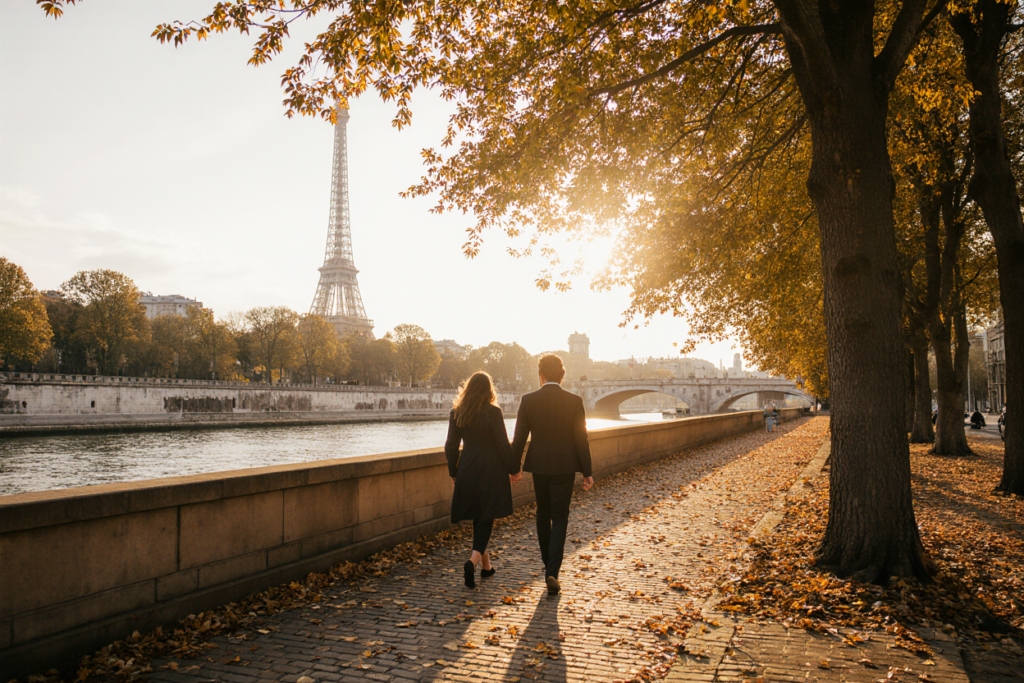
The 7 Must-See Spots in Paris
1. The Eiffel Tower: Iron Lady of Paris
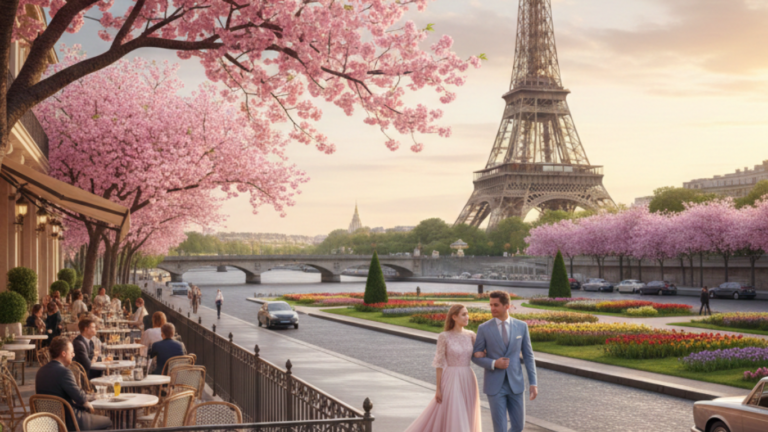
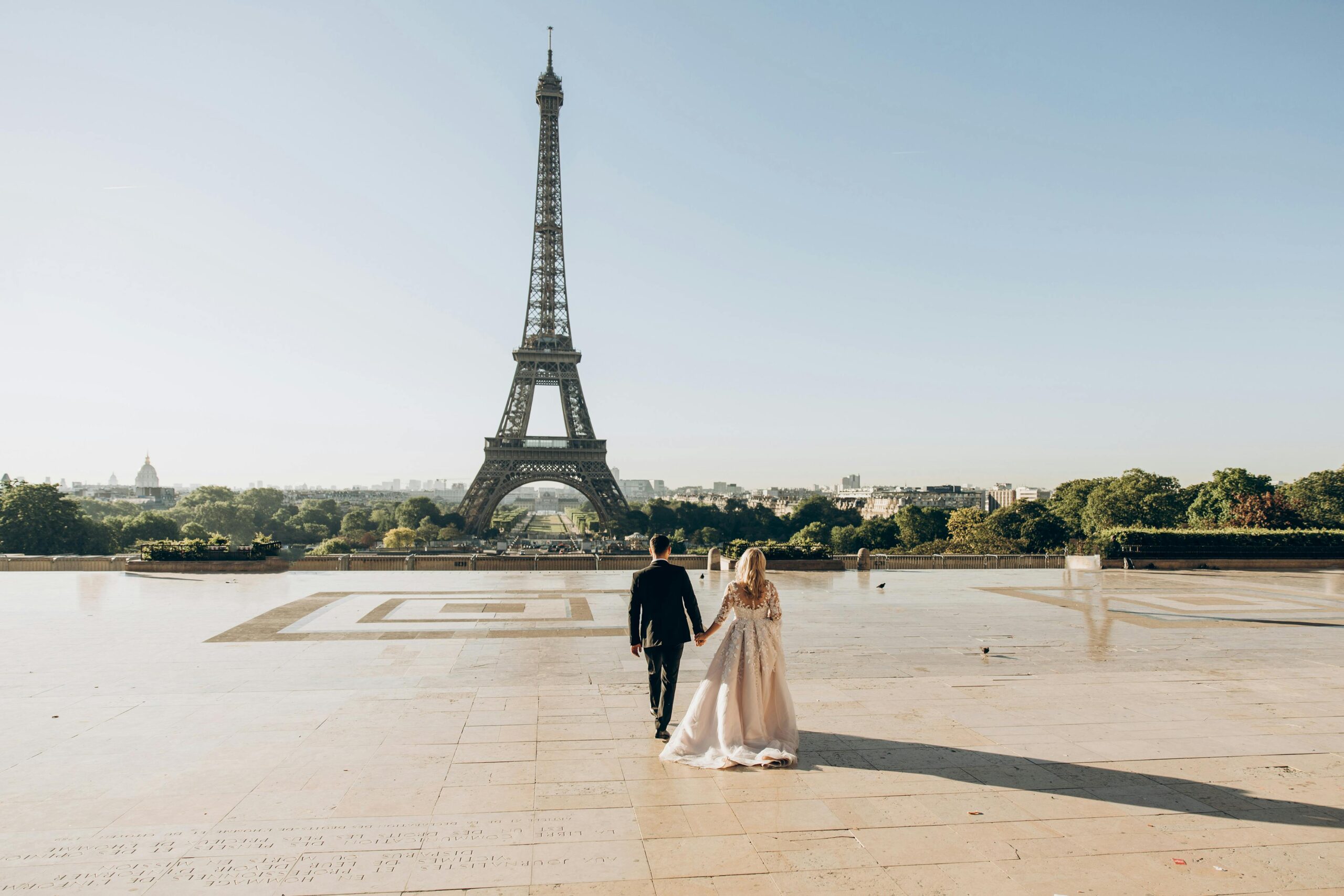
The Eiffel Tower stands as Paris’s most iconic symbol, welcoming nearly 7 million visitors annually to its three observation levels reaching 324 meters (1,063 feet) into the sky. Built in 1889 for the World’s Fair, this “temporary” iron lattice structure was initially criticized by Parisian intellectuals but has become the world’s most recognizable landmark. The first level (57 meters) features glass floors, educational exhibits, and the 58 Tour Eiffel restaurant. The second level (115 meters) offers the best photography angles and the Michelin-starred Jules Verne restaurant. The summit (276 meters) provides breathtaking 360-degree views extending 70 kilometers on clear days. Visit at three different times if possible: daylight for optimal photography, sunset for spectacular color transitions, and after dark (hourly until 1 AM) when 20,000 light bulbs create a five-minute sparkling display. The surrounding Champ de Mars gardens offer perfect picnic spots with tower views—pick up wine, cheese, and baguettes from nearby shops for an authentic Parisian experience costing under $20.
2. The Louvre Museum: World’s Greatest Art Collection
The Louvre houses humanity’s most significant art collection within a former royal palace spanning 72,735 square meters (782,910 square feet) of exhibition space. With 35,000 artworks including the Mona Lisa, Venus de Milo, and Winged Victory of Samothrace, attempting to see everything would require an estimated 100 days. Instead, focus on specific collections: the Italian Renaissance paintings (Mona Lisa, Wedding at Cana), French Neoclassical works (Coronation of Napoleon), Egyptian antiquities (including genuine mummies and hieroglyphs), or Greek and Roman sculptures. The museum’s architecture deserves attention—I.M. Pei’s controversial glass pyramid entrance, Napoleon III’s ornate apartments, and medieval fortress foundations visible in the basement level. Arrive when doors open (9 AM) heading directly to the Mona Lisa before crowds accumulate, then explore quieter wings like Islamic Art or Decorative Arts where you’ll practically have galleries to yourself. Wednesday and Friday evening visits provide magical atmosphere with smaller crowds and softer lighting perfect for contemplating masterpieces.
3. Notre-Dame Cathedral: Gothic Masterpiece
Though Notre-Dame suffered devastating fire damage in April 2019, this 850-year-old Gothic masterpiece remains one of Paris’s most significant spots, with restoration ongoing toward a planned 2024 reopening. The cathedral’s exterior showcases Gothic architecture’s pinnacle—flying buttresses that revolutionized medieval engineering, gargoyles serving as both water spouts and demon-frighteners, and the intricately carved western facade depicting biblical scenes. The surrounding Île de la Cité, Paris’s historic heart, offers exceptional experiences: Square Jean XXIII gardens behind the cathedral provide perfect photography angles, while nearby Sainte-Chapelle (often overlooked) contains the world’s most stunning stained glass windows—15 meters tall with 1,113 biblical scenes. The Latin Quarter, steps away across Petit Pont, features narrow medieval streets where university students have debated for 800 years. Visit Shakespeare and Company bookshop (37 Rue de la Bûcherie), a legendary English-language bookstore where writers have gathered since 1951, offering free reading library upstairs and author readings several evenings weekly.
4. Arc de Triomphe: Napoleon’s Monument
The Arc de Triomphe dominates the western end of the Champs-Élysées, commanding the center of Place Charles de Gaulle where twelve grand avenues radiate outward in star formation. Napoleon commissioned this 50-meter (164-foot) triumphal arch in 1806 to honor his military victories, though he never saw it completed (finished 1836). The arch’s intricate sculptures depict French Revolutionary and Napoleonic military campaigns, while the Tomb of the Unknown Soldier beneath honors WWI casualties with an eternal flame rekindled daily at 6:30 PM in a moving ceremony. Climbing the 284 steps to the top rewards visitors with arguably Paris’s best panoramic view—the perfectly symmetrical perspective down the Champs-Élysées toward the Louvre, and up Avenue de la Grande Armée toward La Défense’s modern skyscrapers. The rooftop museum explains the arch’s construction and Napoleon’s military campaigns through detailed exhibits. Never attempt to cross the chaotic roundabout at street level—use the underground pedestrian tunnel from the Champs-Élysées metro stop for safe access.
5. Montmartre and Sacré-Cœur: Artist’s Quarter
Montmartre, Paris’s highest point, retains village charm despite being within city limits, with winding cobblestone streets, ivy-covered buildings, and the brilliant white Sacré-Cœur Basilica crowning the hill. This neighborhood was the epicenter of modern art’s birth—Picasso, Van Gogh, Monet, and Renoir all worked in Montmartre studios, finding inspiration in its bohemian atmosphere and cheap rent. Today, Place du Tertre maintains artistic tradition with dozens of portrait artists and painters, while surrounding streets hide authentic bistros, wine bars, and the legendary Moulin Rouge cabaret. Sacré-Cœur Basilica (1914) offers free entry to its Romano-Byzantine interior featuring France’s largest mosaic, while the dome climb (300 steps, $7) provides 360-degree Paris views from 200 meters elevation. The front steps become an impromptu gathering space each evening where locals and tourists share wine while watching sunset over Paris—one of the city’s most memorable free experiences. Explore the quieter western slopes around Rue Lepic where locals shop at traditional markets and the Café des Deux Moulins (from the film Amélie) serves excellent coffee.
6. The Seine River: Paris’s Lifeline
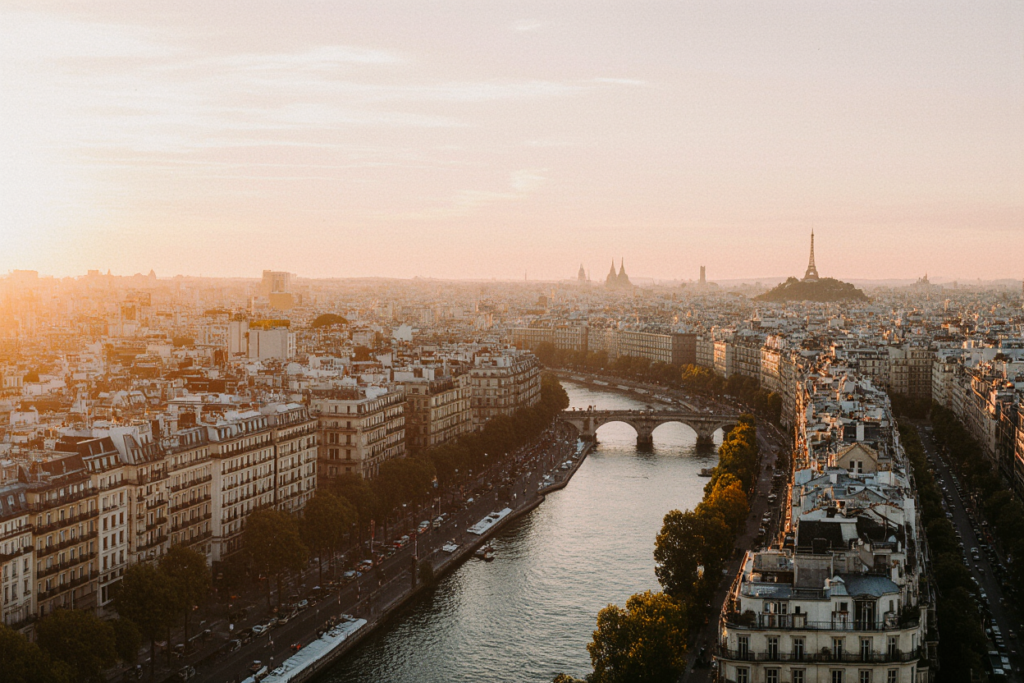
The Seine River flows 777 kilometers from Burgundy to the English Channel, with its Paris section (13 kilometers) recognized as a UNESCO World Heritage site for the exceptional architecture lining both banks. Walking the riverside pathways offers constantly changing perspectives on Parisian life—bookstalls (bouquinistes) selling vintage posters and rare books, street musicians performing classical and jazz, lovers strolling hand-in-hand, and fishermen hoping to catch Seine perch. The river’s 37 bridges each tell architectural stories: Pont Neuf (ironically Paris’s oldest bridge, 1607), Pont Alexandre III (Belle Époque extravagance with gilded sculptures), and Pont des Arts (pedestrian bridge traditionally covered with love locks, though authorities now discourage this practice). Consider a sunset river cruise ($15-40) for relaxed sightseeing covering major monuments with multilingual audio guides—evening cruises often include dinner and live music. For budget travelers, simply walk the lower quays from Pont de l’Alma to Île Saint-Louis (5 kilometers), picnicking along the way with provisions from riverside markets.
7. Luxembourg Gardens: Royal Paradise
Luxembourg Gardens provides 25 hectares (62 acres) of impeccably maintained formal French gardens offering sanctuary from urban intensity. Created in 1612 for Marie de’ Medici’s Luxembourg Palace (now French Senate), the gardens feature geometric flowerbeds, tree-lined promenades, and the octagonal Grand Basin pond where children sail rental toy boats—a Parisian tradition since 1920. The park contains unexpected treasures: over 100 statues of French queens and notable women, the Medici Fountain’s romantic grotto, puppet show theater entertaining children since 1933, free outdoor concerts at the bandstand summer weekends, apple and pear orchards where fruit is harvested annually, active beehives producing Luxembourg honey sold at the park, and chess tables where serious players compete daily. The palace’s formal gardens require absolute symmetry—12,000 potted flowers are rotated seasonally to ensure perfect displays. This is where Parisians relax authentically: reading books in signature green metal chairs (free to use and reposition anywhere), playing tennis on clay courts ($8/hour), or jogging the perimeter’s 3-kilometer path. Budget at least 2-3 hours here, ideally with a baguette sandwich from nearby Rue de Seine bakeries.
Common Mistakes to Avoid When Visiting Paris
Trying to See Everything in Too Little Time
The most prevalent mistake Paris visitors make is attempting to cram 30 attractions into a four-day trip, resulting in exhausted tourists who remember their vacation as a blur of rushing between locations. This approach particularly damages the Paris experience because French culture values slowing down, savoring meals that last hours, and appreciating art contemplatively rather than photographing it rapidly. When tourists spend only 45 minutes at the Louvre (housing treasures that deserve days of attention), they miss the entire point of visiting. The solution involves accepting limitations—choose 2-3 major activities per day maximum, spending quality time at each location. If you have four days in Paris, thoroughly experiencing the seven must-see spots plus neighborhoods connecting them is far more rewarding than superficially visiting twenty locations. Remember that Paris will still exist after this trip; many visitors return multiple times precisely because they know rushing prevents genuine connection with the city’s depth.
Neglecting to Validate Metro Tickets
Paris’s metro system operates on an honor system with random inspections, and tourists frequently get caught riding without validated tickets or using expired passes—resulting in immediate $60 fines plus embarrassment. The confusion stems from different ticket types: single tickets (valid 90 minutes including transfers), day passes, multi-day passes, and the Navigo weekly pass (Monday-Sunday only). Single tickets must be kept until exiting the metro system—inspectors often check at exits. The Paris Museum Pass doesn’t include metro transportation despite tourist assumptions. Avoid this mistake by validating tickets at yellow machines before entering platforms, keeping tickets accessible during entire journeys, and understanding that metro tickets don’t work on RER trains traveling beyond central Paris zones. If inspectors approach, never attempt to leave quickly or argue—they’re authorized to involve police, turning a $60 fine into potential legal complications.
Eating Near Major Tourist Attractions
Restaurants within 200 meters of Paris’s top attractions typically offer the city’s worst food at highest prices, preying on tourists too tired to walk further. A mediocre pre-fixe menu near the Eiffel Tower costs $30-45 per person for microwaved food served by disinterested staff, while authentic bistros five minutes away offer superior cuisine at $20-30 with local clientele and passionate chefs. The Latin Quarter’s Rue de la Huchette exemplifies this problem—dozens of nearly identical Greek restaurants with aggressive touts promising “authentic French cuisine” while serving frozen gyros to tourists who never discover the exceptional traditional bistros on parallel streets. To avoid this mistake, walk at least 5-10 minutes from major monuments before eating, choose restaurants where menus are printed in French (not just laminated multilingual ones), look for local diners rather than all tourists, and avoid anywhere with staff actively recruiting passersby. Use Google Maps to identify highly-rated neighborhood spots, or simply wander residential streets where business sustains through local repeat customers rather than one-time tourist traffic.
Ignoring French Cultural Norms
Paris operates according to specific social customs that, when violated, result in cold treatment tourists mistake for French rudeness. The reality is that Parisians highly value politeness rituals and respond warmly when visitors make small efforts. Always greet shopkeepers, waiters, and hotel staff with “Bonjour” (day) or “Bonsoir” (evening) before making requests—launching directly into English questions without greeting is considered incredibly rude. Similarly, always say “Merci” and “Au revoir” when leaving. In restaurants, never expect immediate service—French dining culture views meals as experiences lasting 1.5-2+ hours, with waiters deliberately leaving diners alone between courses. Waving, snapping, or calling “Garçon!” creates offense; instead, make polite eye contact and wait for acknowledgment. On public transportation, give up seats for elderly passengers and keep voices conversational rather than speaking loudly in English. These small adjustments transform your reception in Paris dramatically.
Underestimating Walking Distances and Fatigue
Paris’s compact center creates the illusion that attractions are closer than reality—map applications show 15-minute walks that actually take 30-40 minutes due to crowds, traffic lights, and stopping to navigate. Tourists regularly underestimate the physical demands: climbing the Eiffel Tower stairs (1,665 steps to summit), walking the Louvre’s galleries (10-15 kilometers for comprehensive visit), navigating Montmartre’s steep hills and staircases, and standing for hours in museum queues. This physical stress accumulates across multi-day trips, with many visitors developing blisters, knee pain, and exhaustion by day three. Prevent this mistake by wearing broken-in walking shoes with proper support (not fashion sneakers), building rest breaks into daily schedules, utilizing metro transportation for distances over 1 kilometer, pacing yourself by alternating intense days with lighter ones, staying hydrated (carry a refillable water bottle—Paris has free drinking fountains), and recognizing jet lag’s physical impact during your first 2-3 days.
Falling for Common Scams
Paris, like all major tourist destinations, has unfortunately developed numerous scams targeting distracted visitors. The “gold ring” scam involves someone “finding” a ring near you and offering to sell it (it’s brass). The petition scam features people asking you to sign humanitarian petitions while accomplices pickpocket you. The friendship bracelet scam has aggressive sellers tying string on your wrist then demanding payment. Three-card monte games near tourist sites are always rigged with accomplices posing as winning players. ATM skimming devices steal card information at tourist-area machines. The “helpful local” who insists on helping you buy metro tickets then demands tips. Avoid these by maintaining awareness in crowded areas, refusing unsolicited interactions firmly but politely, using ATMs inside banks rather than on streets, keeping bags zipped and in front of you, and remembering that legitimate Parisians almost never approach tourists for money, signatures, or assistance offers.
Frequently Asked Questions About Paris Vacation Planning
How many days do I need to see the 7 must-see spots?
A minimum of 4 full days allows comfortable exploration of all seven must-see spots without excessive rushing, though 5-6 days provides ideal pacing with time for spontaneous discoveries. This timeline assumes full vacation days dedicated to sightseeing—your arrival and departure days typically lose 4-6 hours to travel and hotel check-in/out. A realistic 4-day itinerary might group: Day 1 (Eiffel Tower, Seine River walk), Day 2 (Louvre, Latin Quarter), Day 3 (Montmartre, Sacré-Cœur), Day 4 (Arc de Triomphe, Luxembourg Gardens, Notre-Dame area). This pacing allows 2-4 hours at each major location plus meals, rest breaks, and transportation time. Many experienced travelers recommend 7 days for first Paris visits, which comfortably covers the seven must-sees while exploring additional neighborhoods, taking a day trip to Versailles, and truly relaxing into Parisian rhythm rather than constantly rushing.
What’s the best time of year to visit Paris?
April-May (spring) and September-October (fall) offer optimal Paris conditions with pleasant weather (15-20°C/59-68°F), manageable crowds, and reasonable accommodation prices. Spring brings cherry blossoms in Luxembourg Gardens and along the Seine, outdoor café culture resuming after winter, and longer daylight hours without summer’s extreme heat. Fall features autumn foliage, wine harvest season, cultural season beginning (opera, theater, fashion week), and generally stable weather. July-August summer brings peak tourist crowds with 2-3 hour waits at major attractions and temperatures occasionally reaching 35°C (95°F)—though extended daylight (until 10 PM) allows more sightseeing time, and many Parisians vacation elsewhere, creating neighborhood authenticity. December offers magical Christmas markets and decorations with smallest crowds, but expect cold rain (5°C/41°F) and early darkness (sunset 5 PM). January-February see lowest prices and emptiest attractions but challenging weather.
How much should I budget for a Paris vacation?
A moderate Paris vacation costs $200-300 per person daily including accommodation, food, transportation, and attraction admission. This breaks down approximately to: mid-range hotel ($120-180/night for double room, $60-90 per person), three meals ($50-70 daily: breakfast $8-12, lunch $15-25, dinner $30-40), metro transportation ($5-10 daily), attraction admissions ($20-40 daily), miscellaneous (coffee, snacks, souvenirs: $20-30). Budget travelers can reduce costs to $100-150 daily by staying in hostels ($30-50/bed), eating picnic lunches from markets ($8-12), utilizing free attractions (Seine walks, church visits, gardens), and limiting paid museums. Luxury travelers should budget $400-600+ daily for upscale hotels ($300-500/night), Michelin-starred dining ($100-200/meal), taxis versus metro, and premium attraction experiences. The Paris Museum Pass ($65 for 2 days) provides significant savings versus individual tickets if visiting multiple paid attractions.
Is Paris safe for tourists?
Paris is generally safe for tourists with violent crime rates lower than most major American cities, though pickpocketing and tourist-targeted scams are common in high-traffic areas. Exercise standard urban awareness: keep bags zipped and in front of you on crowded metro trains, avoid displaying expensive jewelry or electronics, be wary of distraction techniques (people asking for directions while accomplices pickpocket), and trust instincts when situations feel uncomfortable. Certain areas require additional caution after dark including Gare du Nord/Gare de l’Est train stations, northern sections of the 18th and 19th arrondissements, and areas around Château Rouge metro. The seven must-see spots in this guide are all in safe, heavily-touristed areas with regular police presence. Emergency numbers: dial 112 (European emergency) or 17 (police). Most hotels provide safes for passports and excess cash. Photocopy important documents leaving originals secured. Travel insurance covering theft and medical emergencies ($40-80 for week-long trips) provides peace of mind and financial protection.
Do I need to speak French to visit Paris?
No French language skills are required for a successful Paris vacation, though learning basic courtesy phrases dramatically improves interactions with locals. Most Paris tourism infrastructure operates in English—hotels, major attractions, restaurants in tourist areas, and metro signs all provide English options. However, Parisians deeply appreciate when visitors attempt basic French: “Bonjour” (hello), “Merci” (thank you), “Au revoir” (goodbye), “Excusez-moi” (excuse me), “Parlez-vous anglais?” (do you speak English?), “L’addition, s’il vous plaît” (the check, please). Making even small efforts signals respect for French culture and typically results in friendly, helpful responses—many Parisians speak functional English but wait to see if tourists make linguistic effort first. Download Google Translate app (works offline if you pre-download French) for translating menus and signs. Restaurant menus increasingly feature English translations, though neighborhood bistros may not. Consider this an adventure—pointing at menu items and accepting mystery dishes sometimes yields the best meals.
Should I buy the Paris Museum Pass?
The Paris Museum Pass provides excellent value if you plan to visit multiple paid attractions, offering both cost savings and time savings through skip-the-line privileges. The pass covers 50+ attractions including the Louvre, Arc de Triomphe, Versailles Palace, Sainte-Chapelle, and Musée d’Orsay. Pricing: 2 consecutive days ($65), 4 consecutive days ($78), 6 consecutive days ($92). Break-even analysis: if visiting just the Louvre ($17), Arc de Triomphe ($13), Versailles ($20), and Sainte-Chapelle ($11.50) in two days, you’ve already exceeded the 2-day pass cost ($61.50 in individual tickets). The skip-the-line benefit provides enormous value during peak season when regular ticket lines reach 1-3 hours at major sites—this time savings alone justifies the pass cost for many travelers. The pass works best if you visit multiple attractions daily over consecutive days—it’s less valuable if you prefer a relaxed pace with just one major sight daily. The pass doesn’t cover special exhibitions, the Eiffel Tower, or metro transportation.