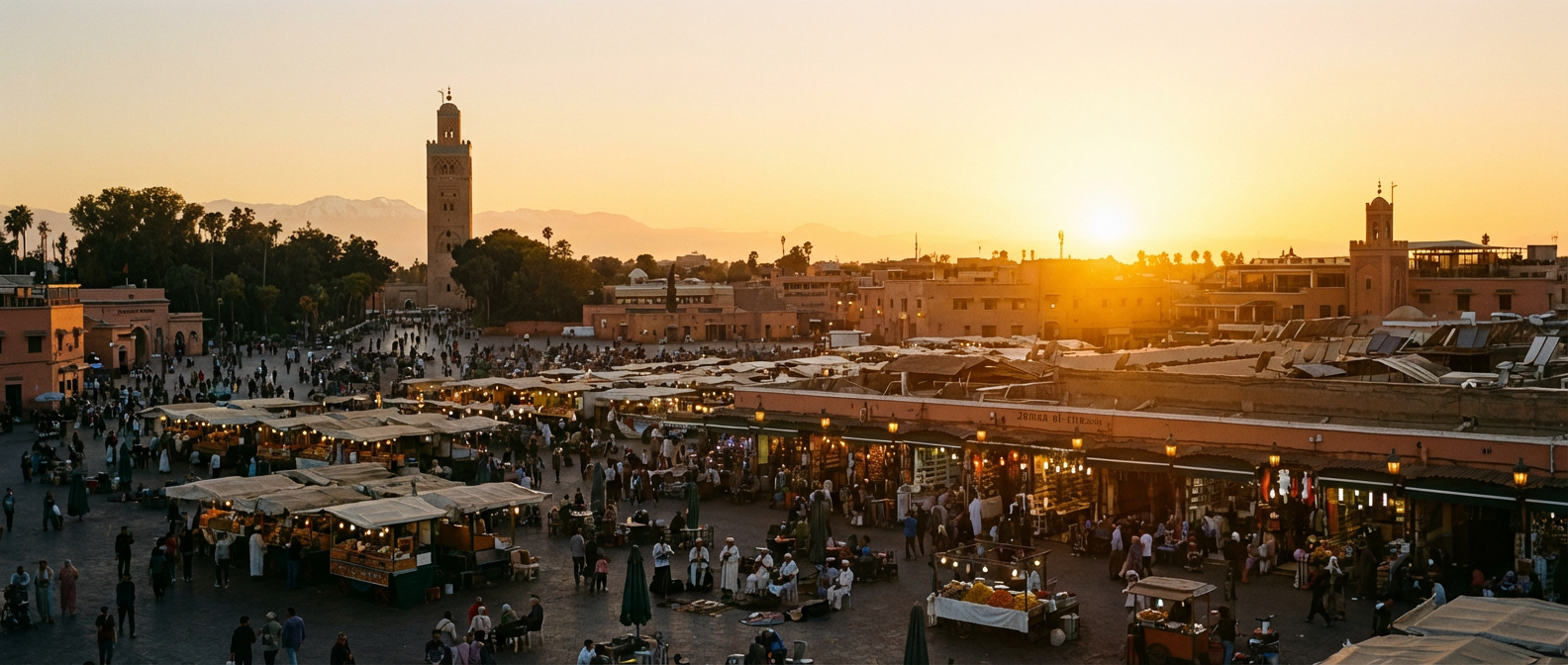
Marrakech Travel Guide: 7 Hidden Gems to Visit
Marrakech captivates millions of visitors each year with its vibrant souks, bustling squares, and ornate palaces. Yet beneath the surface of this ancient imperial city lies a treasure trove of secret places that most tourists never discover. While the crowds gather at Djemaa el-Fna and queue for hours at popular attractions, savvy travelers are exploring quiet riads tucked away in forgotten alleyways, sipping mint tea in centuries-old gardens, and experiencing authentic Moroccan culture in neighborhoods untouched by mass tourism.
This Marrakech travel guide reveals seven extraordinary hidden gems that will transform your visit from ordinary to unforgettable. These carefully selected locations offer you the chance to step back in time, connect with local traditions, and create memories that go far beyond the typical tourist experience. Whether you’re a first-time visitor seeking authentic encounters or a returning traveler ready to dive deeper into Marrakech’s mysteries, these secret spots will show you a side of the Red City that few outsiders ever see.
Table of Contents
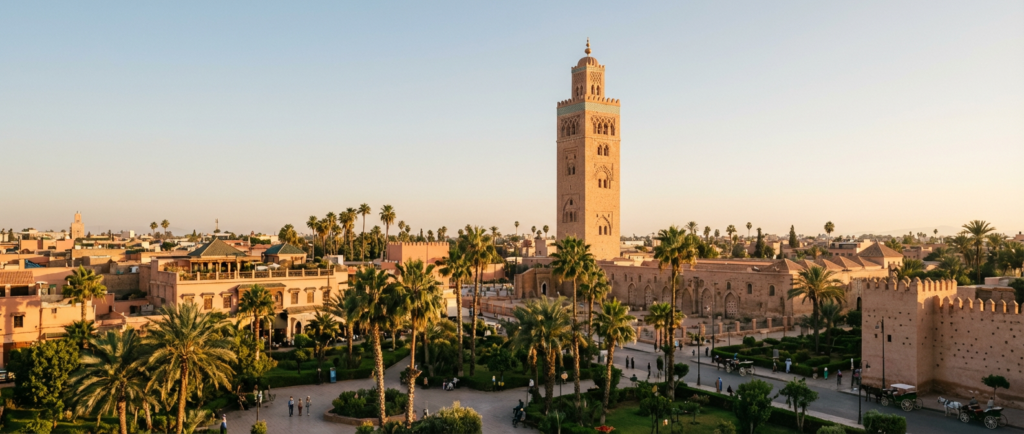
Why Hidden Gems Matter in Marrakech
Escape the Tourist Crowds and Experience Authenticity
The difference between visiting Marrakech’s famous sites and discovering its hidden gems is like comparing a movie set to real life. At major attractions, you’ll find yourself surrounded by tour groups, street vendors, and selfie-stick wielding tourists. The hidden gems of Marrakech, however, offer peaceful sanctuaries where you can actually hear the call to prayer echoing across terracotta rooftops and observe daily Moroccan life unfolding naturally. According to recent tourism statistics, over 90% of visitors to Marrakech confine themselves to just five major attractions, leaving countless remarkable sites virtually empty. This concentration means that stepping just a few blocks away from the main tourist circuit can transport you into an entirely different world.
Connect with Local Culture on a Deeper Level
Hidden gems provide invaluable opportunities for meaningful cultural exchange. In lesser-known neighborhoods and sites, locals aren’t jaded by constant tourist interactions. They’re genuinely curious about visitors and often eager to share stories about their city’s history and traditions. You might find yourself invited for tea in a family home, learning traditional crafts directly from artisans, or discovering neighborhood bakeries where residents have been picking up their daily bread for generations. These authentic interactions create understanding and appreciation that guidebook descriptions simply cannot convey.
Discover Superior Photography Opportunities
For photography enthusiasts, Marrakech’s hidden gems offer unparalleled opportunities to capture unique images without photobombing tourists in every frame. The play of light through ancient doorways, the intricate details of forgotten architectural masterpieces, and the candid moments of daily life in quiet neighborhoods create compelling visual stories. Professional travel photographers consistently report that their most striking Marrakech images come from locations that aren’t in the standard tourist itinerary. The soft morning light filtering through the olive trees of a secret garden or the dramatic shadows cast across an empty medieval courtyard simply cannot be replicated at crowded tourist sites.
Preserve Your Mental Energy and Enjoyment
Tourist fatigue is real, and Marrakech’s main attractions can be overwhelming. The constant sensory stimulation, persistent vendors, and dense crowds at popular sites can leave you exhausted by midday. Hidden gems offer restorative breaks where you can recharge your batteries and genuinely enjoy your surroundings without feeling rushed or hassled. Many travelers report that their most cherished Marrakech memories come from quiet moments in undiscovered places rather than checking famous sites off their bucket list.
Support Local Communities More Directly
When you venture to hidden gems, your tourism dollars flow more directly to local communities rather than large tour operators. The small family-run cafes, independent artisan workshops, and neighborhood guides in off-the-beaten-path areas benefit significantly from thoughtful travelers who seek them out. This form of responsible tourism helps preserve traditional crafts and ways of life while providing sustainable income for residents. Local business owners in these areas often express deep gratitude for visitors who make the effort to find them.
Gain Insider Knowledge and Stories
Every hidden gem has stories that mainstream guidebooks miss. The elderly caretaker at a forgotten palace might share tales passed down through generations. A shopkeeper in a quiet souk might explain the symbolic meanings behind traditional designs. These personal narratives and historical insights add layers of meaning to your visit that transform sightseeing into genuine learning. The knowledge you gain from these encounters often proves more valuable and memorable than anything you could read in a standard travel guide.

How to Choose Which Hidden Gems to Visit
Align Choices with Your Personal Interests
Not all hidden gems will appeal equally to every traveler, so start by identifying what aspects of Moroccan culture fascinate you most. History enthusiasts should prioritize ancient ruins, forgotten palaces, and medieval structures with compelling backstories. Architecture lovers will appreciate sites showcasing traditional Moroccan craftsmanship, zellige tilework, and innovative design solutions adapted to the desert climate. Nature seekers should focus on hidden gardens, palm groves, and viewpoints overlooking the Atlas Mountains. Foodies will want to discover neighborhood eateries, traditional bakeries, and local markets where residents actually shop. By matching hidden gems to your interests, you ensure that each discovery feels personally meaningful rather than just another item to check off a list.
Consider Your Available Time and Energy Levels
Realistically assess how much time you have in Marrakech and your physical capabilities. Some hidden gems require lengthy walks through the medina’s maze-like alleys, while others sit conveniently near major attractions. If you only have two or three days in the city, focus on two or three exceptional hidden gems that you can explore thoroughly rather than rushing to see seven superficially. Quality always trumps quantity when it comes to authentic cultural experiences. Factor in that exploring hidden gems often takes longer than anticipated because you’ll want to linger, chat with locals, and soak in the atmosphere. A good rule of thumb is to allocate at least 90 minutes per hidden gem location.
Map Out Efficient Routes and Proximity
Smart routing can help you discover multiple hidden gems without wasting time crisscrossing the city. Use Google Maps or Maps.me to plot locations and identify clusters of interesting sites. Many of Marrakech’s hidden gems are located within walking distance of each other in specific neighborhoods. For example, several secret spots cluster in the Mellah (Jewish Quarter), while others concentrate in the northern medina near Bab Doukkala. By planning efficient routes, you can discover three or four hidden gems in a single morning walk. However, avoid over-scheduling to the point that exploration becomes a forced march rather than an enjoyable discovery process.
Research Accessibility and Opening Hours
Before committing to visit specific hidden gems, verify their accessibility and any practical limitations. Some locations have restricted visiting hours, while others require advance permission or small entrance fees. Certain hidden gems are genuinely difficult to find without a guide, while others have clear signage. Check recent traveler reviews on platforms like TripAdvisor or Google to confirm that locations are still accessible and haven’t been closed for renovation. Religious sites may have prayer times when non-Muslims cannot enter. Gardens often close earlier than other attractions. This research prevents disappointing surprises and helps you build a realistic itinerary.
Factor in Seasonal Considerations
The best time to visit certain hidden gems varies dramatically by season. Gardens and outdoor spaces shine during spring (March to May) when flowers bloom and temperatures remain comfortable. Summer heat (June to August) can make outdoor exploration exhausting, so prioritize indoor hidden gems like museums and covered workshops during hot months. Winter (December to February) brings pleasant daytime temperatures ideal for walking tours, though evenings can be quite cold. Ramadan also affects accessibility and atmosphere at certain locations. Understanding these seasonal factors helps you choose hidden gems that you’ll experience at their absolute best.
Seek Local Recommendations and Recent Updates
While this guide provides excellent starting points, nothing beats current local knowledge. Ask your riad staff for their personal favorite hidden spots, chat with shopkeepers in quiet neighborhoods, or hire a local guide for a few hours to show you their secret Marrakech. Locals often know about new cafes, recently restored buildings, or pop-up cultural events that haven’t yet appeared in any guidebook. Additionally, situations change: a previously hidden gem might have been discovered by tour groups, or a formerly neglected site might have been beautifully restored. Recent firsthand recommendations ensure that the hidden gems you visit truly remain special.
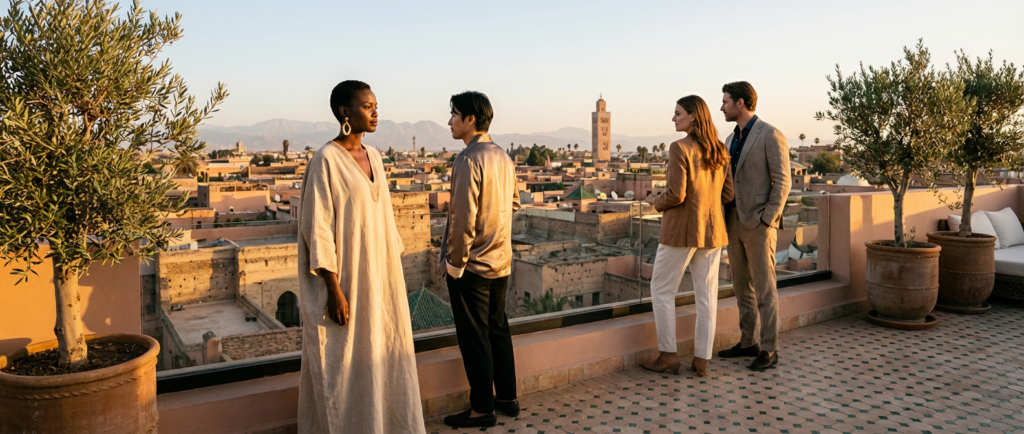
The 7 Best Hidden Gems in Marrakech
Secret Garden (Le Jardin Secret)
Tucked away in the northern medina, Le Jardin Secret represents one of Marrakech’s most enchanting discoveries. This meticulously restored 19th-century palace garden showcases the pinnacle of Islamic garden design with its geometric water channels, exotic plants, and serene pavilions. Unlike the crowded Jardin Majorelle, Le Jardin Secret receives far fewer visitors despite being equally magnificent. The complex consists of two gardens: an Islamic garden with traditional water features representing paradise, and an exotic garden displaying plants from across the globe. Climb the tower for panoramic rooftop views across the medina that rival any paid viewpoint in the city. The garden’s architecture demonstrates sophisticated water management systems that kept these spaces green even during Morocco’s driest months.
Location and practical details: Find Le Jardin Secret on Rue Mouassine in the northern medina, about a 10-minute walk from Djemaa el-Fna. Opening hours are 9:30 AM to 6:30 PM daily, with the last entry at 6 PM. Entrance costs approximately 50 dirhams (around $5), which includes access to the tower. Visit early morning or late afternoon for the best light and fewest crowds. The staff speaks excellent English and offers free guidebooks explaining the garden’s history and design philosophy.
Dar Si Said Museum (Museum of Moroccan Arts)
This stunning 19th-century palace turned museum houses Morocco’s finest collection of traditional arts and crafts, yet sees a fraction of the visitors that crowd into Bahia Palace next door. Dar Si Said was built by the brother of Ba Ahmed, who constructed Bahia Palace, resulting in equally impressive architecture with far fewer tourists. The museum’s collection includes exceptional examples of Berber jewelry, High Atlas carpets, carved cedarwood furniture, and traditional weapons that tell the story of Morocco’s diverse regional cultures. The palace itself features exquisite painted ceilings, intricate plasterwork, and a gorgeous central courtyard with a fountain that exemplifies Moroccan residential architecture. Each room reveals different aspects of Moroccan craftsmanship from various historical periods and regions.
The museum’s crown jewel is the wedding palanquin room, displaying the ornate sedan chairs used to transport brides to their weddings in pre-automotive Morocco. Photography is permitted throughout, making this an excellent spot for capturing architectural details without crowds in your shots. The Berber jewelry collection on the upper floor includes pieces from the Atlas Mountains, Anti-Atlas, and Sahara regions, each with distinct design traditions and symbolic meanings. Informational plaques provide context in French, Arabic, and English, though the English translations sometimes lack detail.
Location information: Dar Si Said sits on Derb Si Said street, very close to Bahia Palace in the southern medina. Opening hours are typically 9 AM to 5 PM Wednesday through Monday (closed Tuesdays). Entrance costs about 30 dirhams. The museum can be easily combined with a visit to Bahia Palace, but deliberately visit Dar Si Said first when you’re fresh and can appreciate the craftsmanship without palace fatigue. Allow at least 45 minutes to properly explore all rooms and the courtyard.
Maison de la Photographie
Photography enthusiasts and history buffs will find this private museum absolutely captivating. Maison de la Photographie displays an extraordinary collection of vintage photographs and glass negatives documenting Moroccan life from 1870 to 1950. The images capture a Morocco that has largely vanished: tribal ceremonies, traditional markets, desert caravans, and daily life before modernization transformed the country. The collection includes work by French, Swedish, and Moroccan photographers who documented this pivotal period in Moroccan history. Beyond the photographs, the building itself is a beautifully restored traditional riad with original architectural features.
The rooftop cafe at Maison de la Photographie deserves special mention as one of Marrakech’s most peaceful spots for mint tea and panoramic medina views. Unlike crowded rooftop restaurants in the main square, this terrace remains relatively quiet, making it perfect for reflective moments while processing everything you’ve experienced. The museum regularly rotates exhibitions, so even repeat visitors discover new images. Photography within the museum is generally prohibited to protect the delicate vintage prints, but the rooftop offers unlimited photo opportunities.
Practical visiting information: Located in the northern medina on Rue Ahl Fes, about 15 minutes’ walk from Djemaa el-Fna. Opening hours are 9:30 AM to 7 PM daily. Entrance costs 40 dirhams, and rooftop cafe purchases are separate. Plan to spend at least an hour viewing the photographs, plus additional time on the rooftop. The museum provides excellent English descriptions for most exhibitions. Consider visiting in late afternoon so you can watch sunset from the rooftop terrace.
Bab Debbagh Tanneries
While Fez’s tanneries receive massive tourist attention, Marrakech’s Bab Debbagh tanneries remain relatively undiscovered despite being equally fascinating and more accessible. Here you’ll witness leather production methods unchanged for centuries: workers standing in stone vessels filled with natural dyes, hides stretched across rooftops to dry, and the entire traditional process from raw hide to finished leather. The visual impact of dozens of circular dying vats in vibrant reds, yellows, and browns creates one of Morocco’s most striking sights. Unlike tourist-trap tanneries, Bab Debbagh functions as a genuine working facility where you’re observing real artisans rather than performers.
The sensory experience is intense—the smell from the natural dying process is powerful, though many visitors find it less overwhelming than expected. Guides often offer mint sprigs to hold near your nose, but this isn’t strictly necessary. The best viewpoint overlooks the dying vats from a leather shop terrace, and while shop owners hope you’ll purchase something, there’s generally no pressure. The workers are accustomed to visitors and often pose for photos in exchange for small tips. Visiting provides insight into why authentic leather goods command premium prices: the labor-intensive process involves weeks of work for each hide.
Getting there and visiting tips: Located on the eastern edge of the medina near Bab Debbagh gate. Taxis can drop you nearby, or it’s about a 25-minute walk from the main square. No official entrance fee exists, but guides may offer tours for 50-100 dirhams. Visit between 9 AM and 4 PM on weekdays when work activity is highest. Avoid Fridays when many workers are at prayer. Wear shoes you don’t mind getting dirty, and bring your camera. The walk through the surrounding neighborhood reveals authentic medina life away from tourist zones.
Dar el Bacha (Museum of Confluences)
This recently restored palace opened as a museum in 2017 and remains remarkably uncrowded despite housing world-class exhibitions. Dar el Bacha was built in the early 20th century for Thami El Glaoui, the powerful Pasha of Marrakech, and represents the height of Moroccan palace architecture. The restoration preserved spectacular original features: hand-painted ceilings, carved cedar doors, zellige tilework, and stunning courtyards that rival any palace in Morocco. The museum presents rotating exhibitions focusing on the confluence of civilizations in Morocco, exploring how Berber, Arab, Andalusian, Jewish, and African influences combined to create unique Moroccan culture.
The palace’s ground floor features a gorgeous salon with a fireplace (rare in Moroccan architecture), showcasing the Pasha’s adoption of European design elements. Upstairs rooms display traditional clothing, jewelry, manuscripts, and ceremonial objects that illuminate different aspects of Moroccan cultural heritage. The hammam (bathhouse) has been preserved in its original state, offering fascinating insight into traditional bathing practices. Each room provides detailed explanations in French, Arabic, and English. The central courtyard, with its fountain and orange trees, provides a peaceful spot to rest and appreciate the architecture.
Visitor information: Find Dar el Bacha in the northern medina on Rue Dar el Bacha. Opening hours are 10 AM to 6 PM daily except Tuesdays. Entrance costs 30 dirhams. Combine your visit with coffee at the Dar el Bacha coffee shop (Henna Cafe), which occupies part of the palace and serves exceptional pastries in a beautiful tiled setting. Allow 60-90 minutes to properly explore all rooms and exhibitions. The bookshop sells quality books on Moroccan culture and architecture unavailable in typical souvenir shops.
Rahba Kedima Square and the Apothecary Souk
Just steps from the chaotic main square lies Rahba Kedima, a small plaza that feels like stepping back in time. This square has served as Marrakech’s traditional apothecary market for centuries, where vendors display mysterious dried herbs, traditional cosmetics, natural remedies, and exotic ingredients used in Moroccan cuisine and traditional medicine. The visual display is extraordinary: baskets overflowing with saffron, argan oil bottles, black soap, rose petals, amber, frankincense, and dozens of unfamiliar substances with fascinating uses. This is where locals come to purchase ingredients for traditional hammam treatments, herbal remedies, and cooking spices.
The vendors here are generally knowledgeable about their products and willing to explain uses and benefits, though some speak limited English. You’ll find genuine saffron at prices far below what you’d pay at home, argan oil produced by women’s cooperatives, and ghassoul clay used in traditional beauty treatments. The atmosphere is more relaxed than the main souks, with less aggressive selling and more educational conversation. Surrounding alleyways contain additional specialized shops selling medicinal plants, traditional beauty products, and esoteric items used in folk practices.
The square itself features interesting architectural details, including ornate wooden screens on upper-floor windows and carved doorways leading to hidden riads. Several small cafes with balcony seating overlook the square, offering excellent people-watching opportunities and escape from the hustle when you need a break. The nearby Criée Berbère (former slave auction building) now houses carpet shops, providing historical context for this area’s complex past.
Location and visiting strategy: Rahba Kedima sits in the northern medina, easily reached by walking through the covered souk passages from Djemaa el-Fna. No entrance fee is required as it’s a working market. Best visiting times are morning through early afternoon when all shops are open. Bring cash as many vendors don’t accept cards. Don’t hesitate to ask questions about products—vendors appreciate genuine interest. Take time to explore the narrow alleys branching off the square, where you’ll find additional specialized shops. Plan to spend 30-45 minutes browsing and learning about traditional products.
The Mellah (Jewish Quarter) and Lazama Synagogue
The Mellah represents one of Marrakech’s most underexplored neighborhoods despite its rich history and distinctive architecture. Established in the 16th century, this former Jewish quarter features unique architectural styles different from the rest of the medina: taller buildings with external balconies facing the street (unlike traditional Moroccan homes oriented around internal courtyards), and a noticeably different urban layout. Though most Jewish families emigrated to Israel in the mid-20th century, the Mellah retains its character and several active synagogues, including the Lazama Synagogue, which welcomes respectful visitors.
Walking the Mellah’s streets reveals fascinating layers of history: Hebrew inscriptions on doorways, former jewelry workshops (Moroccan Jews dominated the jewelry trade for centuries), and shops selling contemporary goods from historic buildings. The neighborhood feels distinctly different from tourist zones—quieter, more residential, with locals going about daily life. The Lazama Synagogue, actively maintained by Marrakech’s small remaining Jewish community, displays beautiful tilework and provides insight into Moroccan Jewish heritage. The caretaker, if present, often shares stories about the community’s history and contemporary life.
The Mellah’s spice and herb market near Place des Ferblantiers offers a more local alternative to tourist markets, with better prices and less pressure. The Jewish cemetery (Miâara) on the Mellah’s edge provides a sobering reminder of the community’s former size—thousands of white-painted tombstones stretching across a walled enclosure. The cemetery is typically accessible during daylight hours (men should cover their heads as a sign of respect).
Practical information for exploring the Mellah: Located in the southern medina, easily reached by walking south from Bahia Palace. The neighborhood is safe to explore independently during daylight hours. Lazama Synagogue is on Derb Jdid street; opening hours can be irregular, but typically accessible mornings and late afternoons except Saturdays. Small donations (20-50 dirhams) for synagogue maintenance are appreciated. Allow 1-2 hours to walk the neighborhood, visit the synagogue, and explore the market. Consider hiring a local guide who can provide historical context and access to buildings normally closed to visitors. The Mellah offers exceptional opportunities for photography, capturing a different architectural style and atmosphere than the rest of Marrakech.
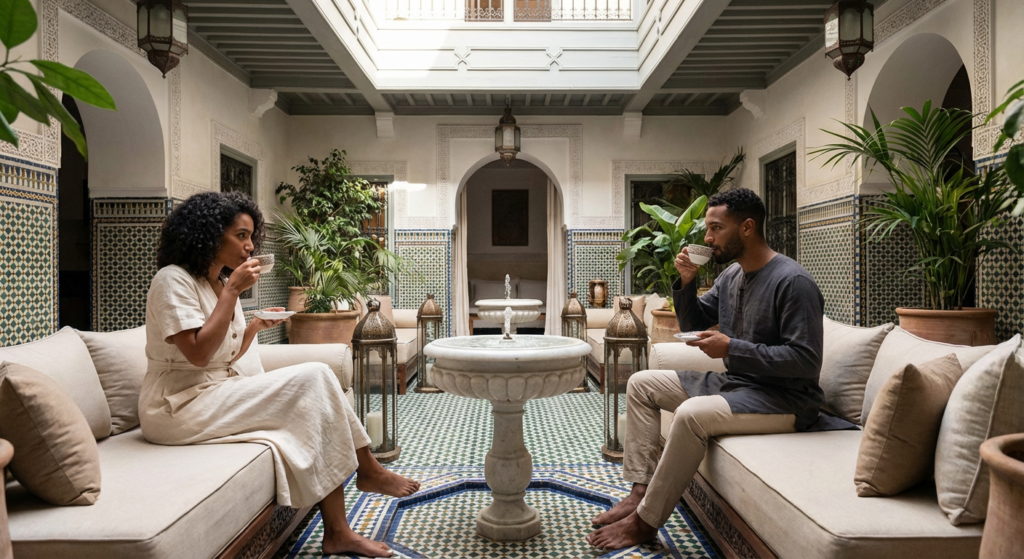
Common Mistakes to Avoid When Exploring Hidden Gems
Attempting to Navigate Without Proper Tools or Preparation
The single biggest mistake travelers make when seeking Marrakech’s hidden gems is venturing into the medina’s labyrinth without adequate navigation tools. The medina contains over 2,600 streets and alleyways, many unmarked, with few visible landmarks to orient yourself. Tourists who rely solely on hand-drawn maps or vague directions inevitably waste hours lost in confusing passages, often growing frustrated and giving up before reaching their destinations. The solution is simple: download Maps.me or Google Maps for offline use before your trip, ensure location services are enabled, and drop pins on your intended destinations. Even with GPS, accept that getting slightly lost is part of the authentic medina experience—just keep your sense of humor and your phone charged.
Additionally, photograph distinctive landmarks, unusual doorways, or memorable shops along your route so you can retrace your steps if needed. The medina’s streets look remarkably similar, and the landmark you’re certain you’ll remember often proves impossible to find again. Take screenshots of map routes before entering areas with poor cell coverage. Consider downloading specific walking tour apps like GPSmyCity that provide detailed navigation for self-guided exploration. If seriously directionally challenged, invest in a few hours with a local guide who can teach you navigation tricks while showing you hidden gems.
Visiting During Peak Tourist Hours and Missing the Magic
Hidden gems lose much of their appeal when crammed with visitors, yet many travelers sabotage their own experience by visiting during predictable peak hours. Most tourists begin sightseeing around 10 AM and continue until early afternoon, meaning that 10 AM to 2 PM represents the busiest period at any attraction. Even lesser-known sites can become surprisingly crowded during these hours, especially during high season (March to May and September to November). The solution requires adjusting your schedule: wake early and reach hidden gems by 9 AM or even earlier, or visit during the late afternoon when most tour groups have returned to their accommodations.
Timing proves especially critical for photography enthusiasts who want clean shots without people in the background. Morning light (before 10 AM) and late afternoon light (after 4 PM) also provide superior conditions for photography compared to harsh midday sun. Some hidden gems, particularly gardens and outdoor spaces, become almost magical during the golden hour before sunset. Lunchtime (1 PM to 3 PM) often presents another window of opportunity, as many tourists retreat to restaurants during this period. Plan your day to visit major tourist sites during less photogenic midday hours while reserving early morning and late afternoon for hidden gems that benefit most from special lighting and solitude.
Disrespecting Local Customs and Cultural Sensitivities
Morocco remains a conservative Muslim country, and inappropriate behavior at hidden gems—especially those in residential neighborhoods or religious sites—can create uncomfortable situations and reflect poorly on all tourists. Common violations include wearing revealing clothing (shorts, tank tops, short skirts) in traditional neighborhoods, photographing people without permission, entering mosques as non-Muslims, being loud and disruptive in quiet areas, and treating locals like exotic photo props. These behaviors not only disrespect your hosts but also contribute to growing frustration among Marrakech residents dealing with overtourism.
The solution involves basic cultural awareness and consideration: dress modestly when exploring traditional neighborhoods, keeping shoulders and knees covered; always ask permission before photographing people, and respect “no” answers without argument; avoid public displays of affection; remove shoes when entering carpeted areas or when requested; learn basic Arabic greetings like “salam alaikum” (peace be upon you) and “shukran” (thank you); observe prayer times and avoid visiting religious sites during prayer; keep voices conversational rather than loud; and generally behave as a respectful guest rather than an entitled tourist.
Remember that hidden gems are often part of functioning neighborhoods where people live and work. The charming alleyway you’re photographing might be someone’s daily commute home. The peaceful courtyard you’re enjoying might be next to family homes. Maintaining awareness of your impact and showing respect for local life ensures these special places remain welcoming to thoughtful travelers.
Failing to Bring Necessary Cash and Proper Change
Morocco remains largely a cash society, and many hidden gems—particularly those in traditional neighborhoods—don’t accept credit cards. Travelers who assume they can use cards everywhere face repeated frustration: tannery tips must be cash, small museum entrances require exact change, traditional cafe bills need cash payment, guides expect cash payment, and artisan workshops rarely process cards. Moreover, many vendors and small businesses cannot break large bills (200 or 500 dirham notes), creating awkward situations where you cannot make purchases despite having money.
The solution requires strategic cash management: carry adequate cash (several hundred dirhams) when exploring hidden gems; obtain small bills (20, 50, and 100 dirham notes) from your hotel, larger shops, or ATMs before heading into the medina; visit ATMs in the new city (Gueliz) or inside banks rather than standalone machines in the medina, which sometimes run empty; never flash large amounts of cash in public; keep small bills separate from larger denominations so you’re not revealing your full cash supply when paying; and if you must break a large bill, do so at pharmacies, grocery stores, or hotel reception rather than small vendors who genuinely may not have change.
Calculate approximately how much you’ll need: budget 20-50 dirhams for cafe stops, 30-50 dirhams for small entrance fees, 50-100 dirhams for guide tips, 100-300 dirhams for purchases at artisan workshops, and always carry 20-30% more than your estimate. Nothing ruins the discovery of a perfect hidden gem faster than being unable to purchase a handmade treasure because you lack cash or appropriate change.
Rushing Through Experiences Without Truly Engaging
The mentality of checking items off a list represents perhaps the most unfortunate mistake when exploring hidden gems. Travelers who race from one location to the next, spending 10 minutes at each spot before rushing to the next, miss the entire point of seeking hidden gems: experiencing authentic Marrakech at a human pace, connecting with places and people, and creating meaningful memories rather than collecting photographs. Hidden gems deserve time—time to observe details, chat with locals, sit quietly and absorb atmosphere, and let unexpected encounters unfold naturally.
The solution requires a fundamental mindset shift: quality over quantity. Rather than trying to visit all seven hidden gems in one day, choose two or three and explore them properly. Sit in the garden at Le Jardin Secret for 30 minutes watching birds and listening to fountain sounds. Engage the museum attendant at Dar Si Said in conversation about Berber jewelry traditions. Spend an hour at Bab Debbagh observing the tanning process at different stages. Order tea at a small Mellah cafe and watch neighborhood life unfold. These moments of genuine presence and engagement create the travel memories you’ll cherish years later, far more than blurry photos taken while rushing between attractions.
Build margin into your schedule for wandering and discovery. The hidden gem you stumble upon accidentally while lost might prove more memorable than any planned destination. Allow time for conversations with shopkeepers, craftspeople, and locals who offer insights no guidebook contains. Remember that travel, at its best, is about transformation and understanding rather than accumulation and completion.
Neglecting Safety Awareness and Basic Precautions
While Marrakech is generally safe for tourists, exploring hidden gems in less-touristed areas requires maintaining basic safety awareness that some travelers neglect. Common mistakes include walking alone in deserted areas at night, leaving valuables visible in bags, trusting strangers who offer to “help” with directions and then demand payment, entering unlabeled buildings or homes without knowing what they are, and failing to tell anyone at your accommodation where you’re going. Female travelers sometimes face additional harassment, particularly in quiet areas away from main tourist zones.
Sensible precautions ensure safe exploration: travel in pairs or small groups when possible, particularly for first visits to unfamiliar neighborhoods; inform your riad staff about your planned destinations and expected return time; keep valuables (passport, excess cash, expensive jewelry) in your hotel safe, carrying only what you need; use cross-body bags or bags you can keep in front of you rather than backpacks easy to open unnoticed; stay in populated areas during daylight hours and return to your accommodation before dark when exploring new neighborhoods; trust your instincts—if a situation feels wrong, remove yourself immediately; politely but firmly decline unsolicited “guides” who approach you in the medina claiming they’ll help you find locations; photograph the address and contact information of your accommodation so you can show taxi drivers if needed; and keep your phone charged with emergency contacts readily accessible.
Women traveling alone should consider additional precautions: dress conservatively to attract less attention; wear a wedding ring (real or fake) and mention your husband if asked personal questions; consider hiring a female guide for initial explorations; avoid eye contact with men who stare; respond to harassment with confident, firm statements in French or Arabic like “La, shukran” (No, thank you) rather than engaging in conversation. Most Marrakech residents are genuinely helpful and kind, but maintaining awareness protects you from the small minority who might take advantage of tourists in quiet, unfamiliar areas.
Frequently Asked Questions
Are hidden gems safe to visit alone or should I hire a guide?
Most hidden gems in Marrakech are perfectly safe to visit independently during daylight hours, especially locations like museums, gardens, and established attractions. The medina’s confusing layout presents the primary challenge rather than safety concerns. That said, hiring a knowledgeable local guide for your first day exploring hidden gems offers significant benefits: guides know the most efficient routes, can provide historical and cultural context that transforms sightseeing into genuine learning, smooth interactions with locals and vendors, and help you develop navigation confidence for subsequent independent exploration. Half-day guides typically cost 300-500 dirhams and represent excellent value.
For completely independent exploration, stick to established hidden gems during busy daylight hours, use GPS navigation religiously, inform your accommodation of your plans, and maintain general street awareness. Solo female travelers might feel more comfortable with a guide initially, though thousands of women successfully explore Marrakech independently every year by following basic precautions.
What’s the best time of year to visit Marrakech’s hidden gems?
The ideal visiting periods are March through May and September through November when temperatures range from pleasant to warm (18-28°C/64-82°F) without summer’s oppressive heat. Spring brings blooming gardens and comfortable walking weather, while autumn offers clear skies and smaller crowds after the summer high season. Gardens and outdoor hidden gems shine particularly during spring when plants flower abundantly.
Avoid June through August unless you handle heat well—temperatures frequently exceed 38°C/100°F, making outdoor exploration exhausting. Winter (December to February) brings surprisingly cool temperatures, especially mornings and evenings (10-20°C/50-68°F), but offers smaller crowds and excellent rates on accommodations. Many hidden gems maintain consistent appeal regardless of season since numerous spots are indoors or offer shaded courtyards. Ramadan (dates vary yearly by lunar calendar) brings modified hours for many businesses and attractions but also offers unique cultural experiences for respectful observers.
How much time should I allocate for exploring each hidden gem?
This varies significantly by location and personal interests, but general guidelines help with planning. Gardens like Le Jardin Secret deserve 60-90 minutes to properly explore both sections and enjoy rooftop views. Museums such as Dar Si Said or Maison de la Photographie warrant 45-75 minutes depending on your interest level in the collections. The tanneries at Bab Debbagh require 30-45 minutes for observation and photos. Neighborhood explorations like the Mellah need 90-120 minutes for walking, visiting the synagogue, and appreciating the unique atmosphere. Rahba Kedima square and the apothecary souk consume 30-45 minutes for browsing and learning about traditional products.
Always add buffer time for getting lost (inevitable in the medina), spontaneous discoveries, cafe breaks, and conversations with locals. A realistic daily schedule includes 2-3 hidden gems plus time for meals, rest, and serendipitous wandering. Over-scheduling creates exhaustion and prevents the relaxed exploration that makes hidden gems special. Remember that the journey between destinations through medina alleys often proves as interesting as the destinations themselves.
Are Marrakech’s hidden gems accessible for families with children or people with mobility limitations?
Accessibility varies significantly among hidden gems. Le Jardin Secret offers good accessibility with relatively flat pathways, though the tower has stairs. Museums like Dar Si Said and Maison de la Photographie feature stairs to upper floors without elevators, limiting access for wheelchair users or people with significant mobility challenges. The tanneries require climbing stairs to viewpoint terraces. The Mellah’s streets are generally flat but cobblestoned and sometimes uneven, which can challenge wheelchair navigation.
For families with children, most hidden gems welcome kids, though the medina’s traffic, crowded passages, and easy ways to become separated require close supervision. Museums without interactive elements may bore younger children, but gardens and tanneries usually capture kids’ interest. Strollers prove impractical in the medina—baby carriers work much better on narrow, crowded streets. Most cafes and restaurants within or near hidden gems accommodate families, though traditional establishments may lack changing facilities.
If traveling with mobility limitations, research specific locations in advance, contact sites directly to ask about accessibility, consider hiring a private car and driver to minimize walking distances between locations, and focus on more accessible hidden gems rather than trying to see everything. Many riads now advertise ground-floor rooms, and an increasing number of attractions are improving accessibility infrastructure.
Do locals at hidden gems speak English or will I need translation help?
English proficiency at hidden gems varies but generally proves adequate for basic interactions. Museum staff at places like Le Jardin Secret, Maison de la Photographie, and Dar el Bacha typically speak good English and can answer questions about collections and history. Shop owners and cafe staff in hidden gem areas usually speak enough English for transactions and simple conversation, though fluency varies. At working sites like the tanneries, workers may speak limited English but can communicate basic information through gestures and simple phrases.