Shanghai How to Spend 3 Perfect Days
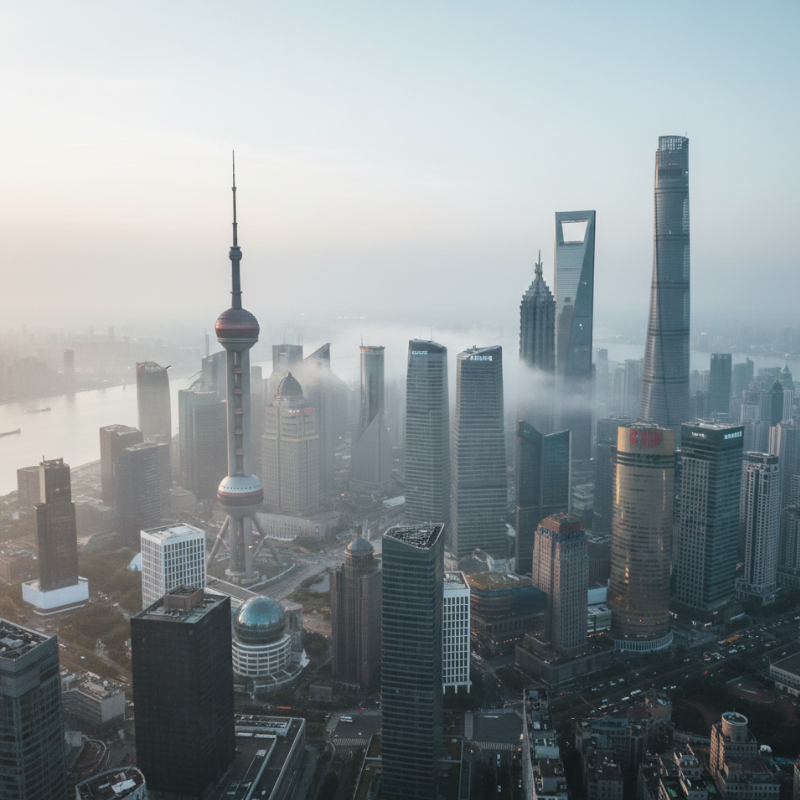
Stepping into Shanghai is like entering a portal where the future and the past collide in the most spectacular way imaginable. This mesmerizing Chinese metropolis of over 24 million people offers travelers an intoxicating blend of colonial architecture, futuristic skyscrapers, ancient temples, and some of the world’s best cuisine. But here’s the challenge: Shanghai is massive, sprawling across 6,340 square kilometers, and if you only have 3 days, every hour counts.
Most first-time visitors feel overwhelmed by the sheer scale and diversity of experiences available. Should you prioritize the glittering Pudong skyline or the charming lanes of the French Concession? Spend hours in museums or lose yourself in bustling street markets? The good news is that with strategic planning, 72 hours is enough to capture the essence of Shanghai, experience its most iconic attractions, savor its legendary food scene, and still have time to discover hidden gems that most tourists miss. This comprehensive guide will show you exactly how to maximize your 3 perfect days in one of Asia’s most dynamic cities.
Table of Contents
Why Planning Your 3 Days in Shanghai Matters
Shanghai’s Overwhelming Scale Demands Strategy
Shanghai isn’t just big—it’s genuinely enormous. The city stretches from the coast inland for dozens of kilometers, with 16 districts each offering distinct experiences. The Bund to the Shanghai Tower is 5 kilometers. The French Concession to Zhujiajiao Water Town is 50 kilometers. Without proper planning, you could easily waste 3-4 hours daily just on transportation, leaving you exhausted and having seen only a fraction of what you intended. Strategic itinerary planning ensures you cluster attractions geographically, minimizing transit time and maximizing exploration time.
The Metro System Requires Understanding
Shanghai’s metro network spans 831 kilometers across 20 lines, making it one of the world’s most extensive subway systems. While this connectivity is fantastic, navigating it efficiently requires knowledge. Lines 1, 2, and 10 serve most tourist areas, but you’ll need to understand transfer points, peak hours (avoid 7-9am and 5-7pm), and station exits. Many stations have 15+ exits, and choosing the wrong one can add 10 minutes of walking. A well-planned route considers which metro exits put you closest to your destinations, saving valuable time across your 3-day stay.
Balancing Iconic Sights with Authentic Experiences
The difference between a good Shanghai trip and an unforgettable one lies in balance. Yes, you want the classic Instagram shots from the Bund and views from Shanghai Tower, but spending all 3 days on tourist checklists means missing the real Shanghai. Proper planning allocates time for wandering through wet markets in the morning, stumbling upon a neighborhood temple, or sitting in a local dumpling shop where no English is spoken. This balance requires intentional scheduling—designating certain hours for must-see attractions and leaving buffer time for spontaneous discovery.
Food Scene Timing Is Critical
Shanghai’s food culture operates on specific rhythms that, if ignored, lead to disappointment. The best xiaolongbao (soup dumplings) shops have lines by 11am and sell out by 2pm. Night markets come alive after 7pm but start closing around 10pm. Many traditional restaurants close between lunch and dinner service. Without understanding these patterns, you might arrive at highly-recommended establishments only to find them closed or facing 90-minute waits. Planning your days around Shanghai’s food timing ensures you experience the city’s culinary treasures at their peak.
Weather and Pollution Affect Daily Planning
Shanghai’s weather varies dramatically by season, and air quality fluctuates daily, significantly impacting what you should do when. Summer temperatures reach 35-38°C with oppressive humidity, making outdoor sightseeing brutal between noon and 4pm. Winter brings surprising cold, with temperatures dropping to 0-5°C. Air Quality Index (AQI) readings above 150 mean outdoor activities become unpleasant and potentially unhealthy. Smart planning checks the 3-day forecast and AQI predictions, scheduling indoor museums and shopping for poor air days, and saving parks and walking tours for clear weather.
Budget Optimization Through Advanced Booking
Shanghai can be surprisingly expensive or remarkably affordable depending on how you plan. Shanghai Tower tickets cost ¥180 ($25) at the door but can be pre-booked online for ¥120. The Maglev train from the airport is ¥50, but metro Line 2 costs only ¥7 and takes just 20 minutes longer. Many museums are free but require advance reservation. Knowing these details and booking strategically can save you ¥500-800 ($70-110) over 3 days—money better spent on incredible meals or that river cruise you’ve been eyeing.
How to Choose Your Shanghai Neighborhoods
Understanding Shanghai’s District Geography
Shanghai divides into two primary areas: Puxi (west of the Huangpu River) and Pudong (east of the river). Puxi contains most historical neighborhoods—the French Concession, Old City, the Bund waterfront, and Jing’an. This is where you’ll find colonial architecture, traditional shikumen lane houses, and authentic local life. Pudong is modern Shanghai’s showcase: Lujiazui’s sci-fi skyline, the Shanghai Tower, massive shopping malls, and contemporary art museums. For a 3-day visit, you’ll want to base yourself in Puxi for easier access to diverse experiences while making strategic day trips to Pudong.
The Bund and People’s Square Area for First-Timers
If this is your first Shanghai visit, staying near the Bund (East Nanjing Road area) or People’s Square provides the most strategic location. You’re within 10 minutes’ walk of the Bund’s colonial architecture, the waterfront promenade, and Nanjing Road shopping street. People’s Square station connects metro Lines 1, 2, and 8, giving you rapid access to every major district. This area offers hotels at every price point—from luxury properties like the Fairmont Peace Hotel (¥2,500/night) to comfortable business hotels (¥400-600/night). The trade-off is less neighborhood charm and more tourist crowds, but for maximizing a short trip, the central location is unbeatable.
French Concession for Character and Walkability
The French Concession—particularly around Fuxing Road, Sinan Road, and Anfu Road—offers Shanghai’s most charming accommodation environment. Tree-lined streets, 1920s architecture, boutique shops, excellent cafes, and intimate restaurants create a village-like atmosphere despite being in a city of 24 million. Staying here means morning walks reveal hidden garden courtyards, art galleries, and locals practicing tai chi in small parks. The area is highly walkable, with attractions like Tianzifang, Xintiandi, and the Former French Concession museums all within 2 kilometers. Metro Lines 1, 7, 10, and 12 provide good connectivity. Hotels here tend toward boutique properties (¥600-1,500/night) with more character than chain hotels.
Jing’an for Modern Comfort and Shopping
The Jing’an district, centered around Jing’an Temple and West Nanjing Road, strikes a balance between modern convenience and cultural sites. Jing’an Temple itself is a stunning active Buddhist complex in the midst of skyscrapers. The neighborhood boasts Shanghai’s best shopping at Jing’an Kerry Centre and HKRI Taikoo Hui, numerous international restaurants, and reliable Western chains (Starbucks, Blue Bottle) for those needing familiar comfort. It’s less atmospheric than the French Concession but more livable, with wider sidewalks, newer buildings, and excellent metro access (Lines 2, 7, 13, 14). Hotel options range from international luxury brands to mid-range business hotels (¥500-2,000/night).
Hongkou and North Bund for Local Atmosphere
If you want to experience where Shanghainese actually live while staying budget-friendly, consider Hongkou district north of the Bund. This area sees fewer tourists but offers authentic experiences: morning markets bursting with fresh produce, elderly residents playing mahjong in alleyway courtyards, no-frills noodle shops with ¥15 bowls, and the fascinating 1933 Shanghai building (a former slaughterhouse turned creative complex). You’re still only 15-20 minutes by metro from major attractions. Accommodation here is significantly cheaper (¥250-500/night for quality hotels), and you’ll be the only foreigner in most restaurants—exactly what some travelers seek. The trade-off is less English signage and fewer Western amenities.
Proximity to Metro Stations Is Non-Negotiable
Regardless of which neighborhood appeals to you, choose accommodation within 500 meters of a metro station—ideally on Lines 1, 2, or 10, which connect most tourist attractions. Shanghai’s streets aren’t on a simple grid system, finding addresses can be confusing, and taxis often refuse short trips during peak hours. Being near a metro station means you can always get somewhere quickly and affordably. Check the metro map and count how many stops (and transfers) separate your potential hotel from key destinations. A hotel that’s 1 stop from People’s Square is infinitely more valuable than one that’s 8 stops away, even if the latter looks nicer in photos.
The Best Attractions for Your 3-Day Shanghai Itinerary
Day 1 Morning: The Bund and Colonial Architecture
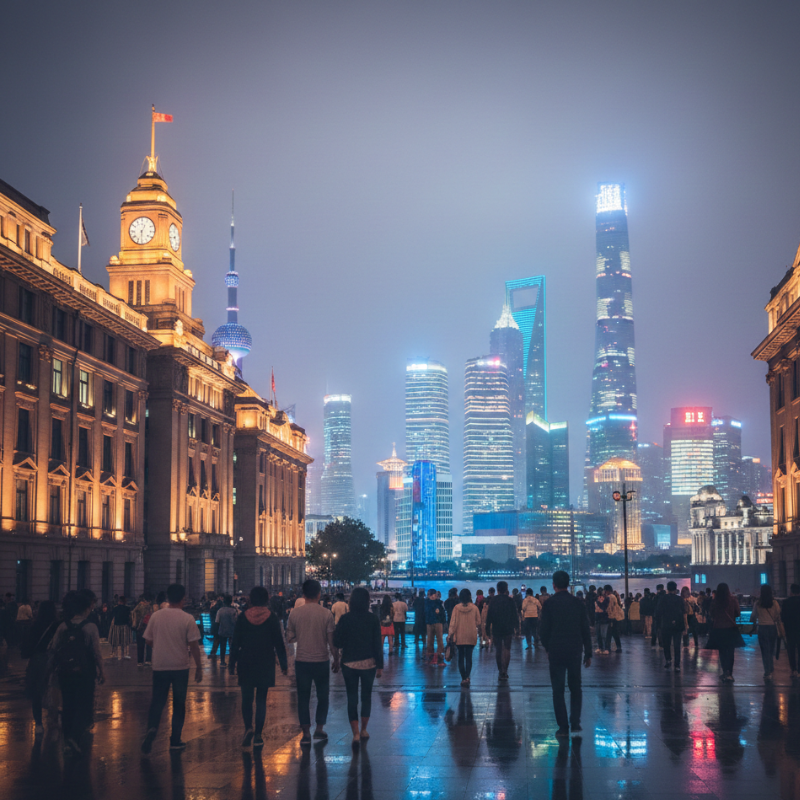
Start your Shanghai adventure at the Bund’s southern end (Jinling Road) around 7:30am before crowds arrive. This iconic waterfront promenade stretches 1.5 kilometers along the Huangpu River, showcasing 52 magnificent buildings representing Art Deco, Gothic, Baroque, and Romanesque architecture from the 1920s-30s. The early morning light is perfect for photography, and you’ll share the space with locals practicing tai chi and ballroom dancing. Notable buildings include the former HSBC Building (now Pudong Development Bank, with stunning mosaic ceilings you can view inside), the Customs House with its famous clock tower, and the Fairmont Peace Hotel. Walk the entire promenade north to Waibaidu Bridge (45 minutes), stopping to admire the Pudong skyline across the river—a stunning contrast of past and future.
Day 1 Late Morning: Yu Garden and Old City Bazaar
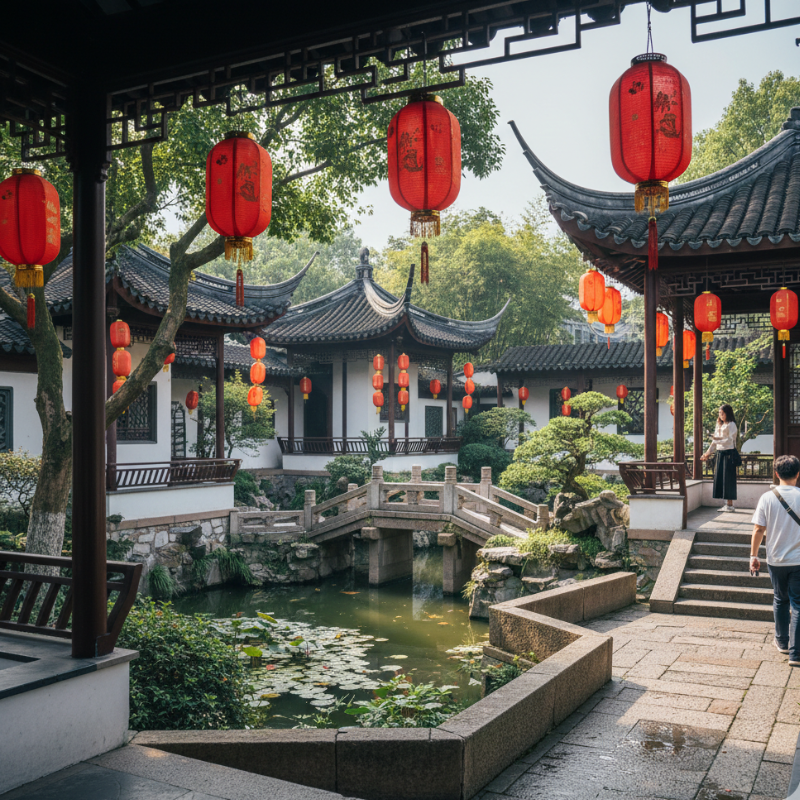
From the Bund, take metro Line 10 two stops to Yu Garden station (or enjoy a 25-minute walk through old neighborhoods). Yu Garden (Yuyuan) is Shanghai’s most famous classical Chinese garden, built in 1559 during the Ming Dynasty. Arrive by 9:30am to beat the tour groups. The entry fee is ¥40, and the compact 2-hectare garden takes 45-60 minutes to explore properly. Marvel at the rockeries, koi ponds, zigzag bridges, and delicate pavilions designed to create “scenery that changes with every step.” Don’t miss the Exquisite Jade Rock, a porous Taihu stone that’s been admired for centuries. Adjacent to the garden, the Yu Garden Bazaar is touristy but worth 30 minutes for its traditional architecture and street snacks—try the famous xiaolongbao at Nanxiang Steamed Bun Restaurant (be prepared for long queues) or grab crispy duck from street vendors.
Day 1 Afternoon: Nanjing Road and People’s Square Museums
After lunch, head to East Nanjing Road, Shanghai’s most famous shopping street, running 5.5 kilometers from the Bund to Jing’an Temple. The pedestrianized eastern section (1.2 km) is most interesting, lined with historic department stores, modern malls, and kitschy tourist shops. It’s crowded and commercial but represents Shanghai’s consumer culture. Walk for 20-30 minutes, then escape to People’s Square, the city’s cultural heart. Here you have three world-class museums within walking distance. The Shanghai Museum (free, reserve online) houses 120,000 pieces of ancient Chinese art—allow 90 minutes for highlights including bronze galleries, jade collections, and Ming Dynasty furniture. The Shanghai Urban Planning Exhibition Center (¥30) offers fascinating insights into Shanghai’s development and a giant scale model of the future city. If time permits, the Shanghai Grand Theatre’s architecture alone justifies a quick visit.
Day 1 Evening: Huangpu River Cruise and Bund Night Views
Return to the Bund around 6pm to experience its transformation at dusk. Book a Huangpu River cruise departing around 7pm (¥100-150 for standard boats, ¥200-300 for dinner cruises). These 45-60 minute cruises showcase both banks of the river: the colonial Bund buildings illuminated in warm gold, and the Pudong skyline’s neon spectacle across the water. The perspective from the river provides context for Shanghai’s dramatic evolution. After disembarking, walk the Bund promenade again—it’s completely different at night, buzzing with couples, families, and street performers. The Oriental Pearl Tower across the river cycles through colorful light displays. For dinner, head to M on the Bund (modern European, splurge-worthy) or Mr & Mrs Bund (French tapas) for elevated dining with Bund views, or explore nearby Sichuan Road for authentic local restaurants serving ¥50-80 meals.
Day 2 Morning: Shanghai Tower and Lujiazui Skyline
Cross the river early on Day 2 to experience Pudong’s futuristic landscape. Take metro Line 2 to Lujiazui station and arrive at Shanghai Tower by 9am. At 632 meters, it’s the world’s second-tallest building (after Burj Khalifa), and its observation deck on the 118th floor offers breathtaking 360-degree views from 546 meters high. Pre-book tickets online (¥120 vs ¥180 at the door) and avoid weekends if possible. The elevator ride takes 55 seconds to ascend 565 meters—the world’s fastest. Spend 45-60 minutes on the observation deck, identifying landmarks using the interactive screens. On clear days, you can see 70 kilometers. The building’s twisting design and double-skin facade are architectural marvels worth appreciating. Exit onto the Lujiazui Ring Elevated Walkway to photograph the Oriental Pearl Tower, Jin Mao Tower, and Shanghai World Financial Center together—a sci-fi cityscape that defines modern Shanghai.
Day 2 Late Morning: Jade Buddha Temple and Jing’an Temple
Return to Puxi via metro Line 2 and visit Jade Buddha Temple (Yufo Si) in the Jing’an area. This active Buddhist monastery, built in 1882, houses two precious jade Buddha statues brought from Burma—a seated Buddha (1.9 meters, 3 tons) and a smaller reclining Buddha. Entry is ¥20, and the complex offers a peaceful retreat from Shanghai’s intensity. Observe monks chanting, smell incense smoke curling toward ornate ceilings, and appreciate the Song Dynasty architectural style. Spend 45 minutes here before walking 15 minutes (or taking metro Line 13 one stop) to Jing’an Temple in the district’s center. This golden temple complex, originally founded in 247 AD, sits incongruously among skyscrapers and shopping malls. The current buildings were reconstructed in recent decades but maintain traditional design. The contrast—ancient Buddhist architecture against glass towers—epitomizes Shanghai’s identity collision. Entry is ¥50; allow 30 minutes.
Day 2 Afternoon: French Concession Exploration and Tianzifang
Take metro Line 10 south to the French Concession, Shanghai’s most charming neighborhood. Start at Fuxing Park (free), a lovely European-style green space where locals practice tai chi, play traditional instruments, and gather for “marriage markets” (weekends only—parents seek partners for their children). Walk east along Sinan Road, admiring the tree-lined street’s shikumen architecture and historic villas. Stop at the Former Residence of Sun Yat-sen (¥20, 30 minutes) to learn about the “Father of Modern China.” Continue to Tianzifang, a labyrinthine arts and crafts enclave in traditional longtang (lane houses). Unlike the overly commercialized Xintiandi, Tianzifang retains some authenticity alongside boutiques, galleries, cafes, and bars. Allow 90 minutes to wander the narrow alleys, pop into artist studios, and stop for coffee at Kommune or Kommune 2.0. It’s tourist-heavy but still charming, especially the upper floors where working residents still hang laundry.
Day 2 Evening: Xintiandi and Shanghai Nightlife
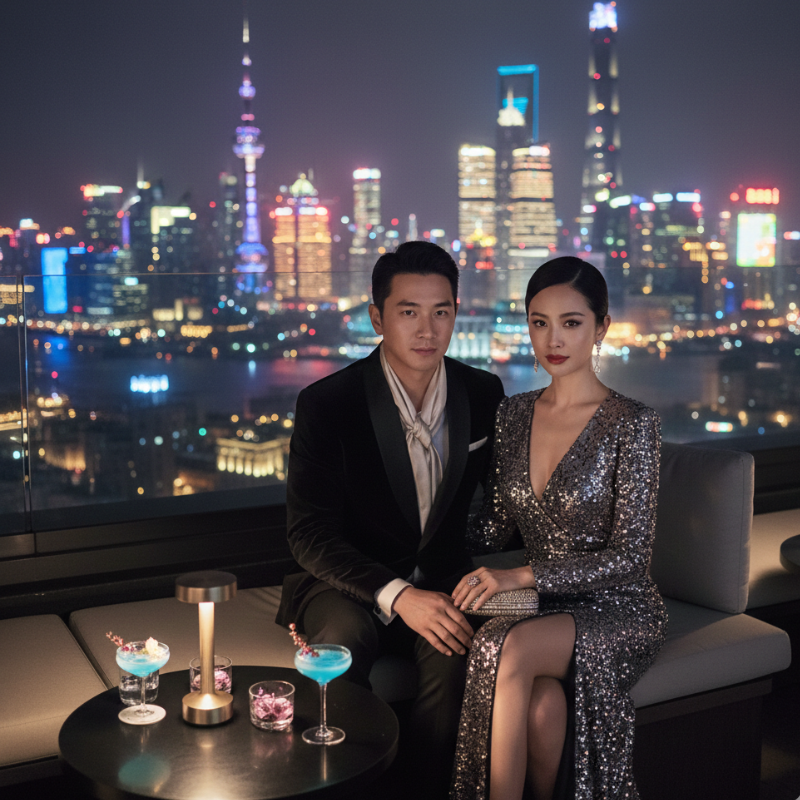
Head to Xintiandi for dinner, Shanghai’s most upscale lifestyle development in reconstructed shikumen buildings. While some criticize it as sanitized and touristy, the architecture is beautiful, and dining options are excellent. Try Din Tai Fung for reliable xiaolongbao (¥80-150 per person), Crystal Jade for Cantonese cuisine, or Mercato for Italian. After dinner, experience Shanghai’s nightlife. For sophistication, head to rooftop bars: ROOF 325 at the Swatch Art Peace Hotel offers stunning Bund views (cocktails ¥80-120), or Flair at the Ritz-Carlton provides Pudong skyline perspectives (¥100-150 per drink). For local flavor, explore Yongkang Road or Anfu Road in the French Concession, where small bars spill onto streets and you’ll mingle with young Shanghainese professionals. The Found 158 complex offers multiple bar-restaurant options in a former factory setting. Shanghai’s clubs like M1NT and TAXX cater to those seeking high-energy dancing until 4am.
Day 3 Morning: Zhujiajiao Water Town Day Trip
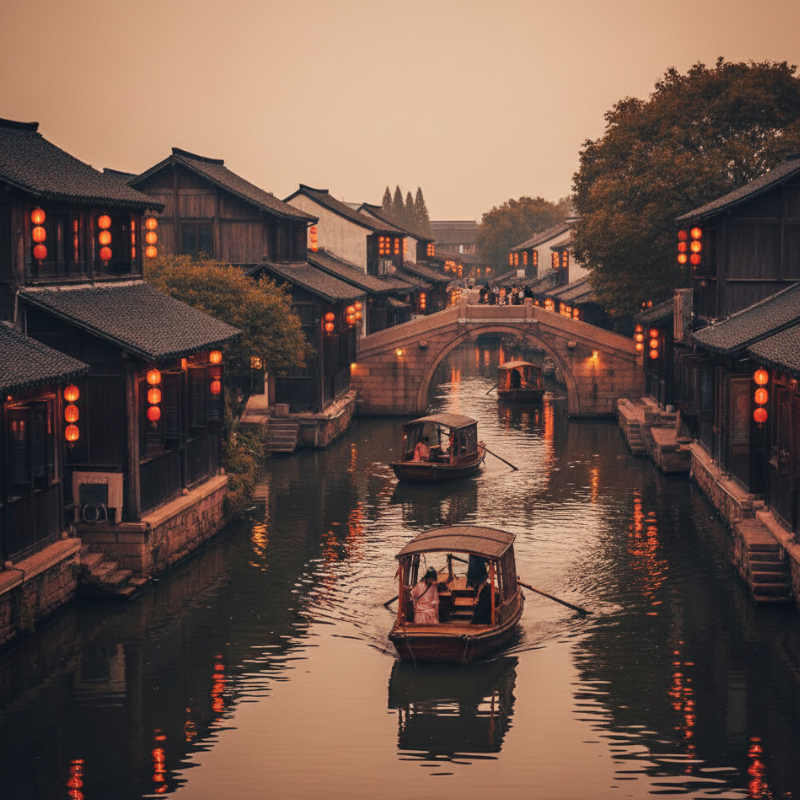
On your final day, escape Shanghai’s urban intensity with a morning trip to Zhujiajiao, a 1,700-year-old water town 50 kilometers west. Take metro Line 17 to Zhujiajiao station (90 minutes), then bus or taxi 5 minutes to the old town. Arrive by 9am to experience the town before it fills with tour groups. This ancient settlement features Ming and Qing Dynasty architecture, 36 stone bridges crossing canals, and traditional shops lining waterways. Entry to the main streets is free; individual attractions (old homes, temples) charge ¥5-10 each or buy a combined ticket for ¥80. Highlights include the 400-year-old Fangsheng Bridge, Qing Dynasty post office, and Kezhi Garden. Hire a small gondola (¥80-150 for 30 minutes) to view the town from the canals. Try local specialties: zongzi (sticky rice dumplings), pork knuckle, and sesame cakes. Spend 3-4 hours here before returning to central Shanghai by 2pm.
Day 3 Afternoon: M50 Art District or Shopping
Back in Shanghai, choose your afternoon based on interests. Art lovers should visit M50 (莫干山路50号), Shanghai’s primary contemporary art district housed in converted factories along Suzhou Creek. Metro Line 3/4 to Zhongtan Road, then 10-minute walk. Over 100 galleries showcase Chinese and international contemporary art, ranging from established names to emerging artists. Galleries like ShanghART, Island6, and Beaugeste are highlights. Entry is free, and wandering the industrial spaces filled with cutting-edge art takes 90-120 minutes. Alternatively, serious shoppers should head to Nanjing West Road, where luxury malls like Plaza 66, CITIC Square, and Westgate Mall house every international brand imaginable. Or explore Taikang Road for boutique shopping in the French Concession, finding unique fashion, jewelry, and handicrafts you won’t see elsewhere.
Day 3 Evening: Final Dinner and Farewell Views
For your final Shanghai evening, book a memorable dinner. Ultraviolet by Paul Pairet (¥6,000 per person, reserve months ahead) offers an avant-garde multi-sensory 20-course experience if you’re seeking culinary theater. More accessibly, Fu He Hui (¥400-600) serves Michelin-starred vegetarian cuisine in a beautiful courtyard setting. For Shanghainese classics, Jesse Restaurant (¥150-250 per person) delivers refined versions of local dishes. After dinner, choose a final viewpoint: The Bar Rouge at the Bund 18 for cocktails overlooking the illuminated Pudong skyline (¥100-150 per drink), or return to the Bund promenade for a last walk along the water. Alternatively, take metro Line 2 to East Nanjing Road and walk the lit-up pedestrian street one final time, reflecting on how Shanghai has evolved from colonial treaty port to ultra-modern megalopolis while somehow maintaining its unique character. Your 3 perfect days have shown you both the Shanghai of yesterday and tomorrow.
Common Mistakes to Avoid During 3 Days in Shanghai
Overestimating How Much You Can See Daily
The most frequent error first-time visitors make is cramming too many attractions into each day, underestimating distances and transit times. Shanghai is genuinely massive—the distance from the Bund to Shanghai Tower is 5 kilometers, but adding security checks, queues, and metro transfers means this takes 40-60 minutes. Many travelers plan to hit 8-10 attractions daily, then find themselves exhausted by noon, having enjoyed nothing because they’re constantly rushing. A realistic daily schedule includes 3-4 major activities with buffer time for meals, rest, and spontaneous discoveries. Quality beats quantity—spending an hour truly experiencing Jade Buddha Temple and conversing with monks is more valuable than checking it off in 15 minutes while thinking about your next destination. Build flexibility into your itinerary; Shanghai rewards wanderers who have time to stumble upon hidden courtyards, watch street food vendors work their craft, or sit in a park observing local life.
Paying Cash and Skipping the Metro Card
China has become nearly cashless, and fumbling with bills marks you as a tourist and slows everything down. Many Shanghai vendors, including metro ticket machines, increasingly prefer Alipay or WeChat Pay. However, setting these up requires a Chinese bank account. For short visits, purchase a Shanghai Public Transportation Card (¥20 deposit plus ¥20-100 credit) at any metro station. This RFID card works on all metro lines, buses, ferries, and even some taxis, automatically deducting fares. It saves 5-10 minutes at each station versus buying individual tickets, and provides discounts on transfers. You’ll use the metro 6-10 times daily across 3 days—those minutes add up to hours saved. Keep some cash for small street vendors and temples (¥500-1,000 should suffice), but the metro card is essential. Before leaving Shanghai, return the card at service centers for deposit refund and remaining balance.
Ignoring Restaurant Peak Hours and Waiting Times
Shanghai’s best restaurants follow strict patterns that, if ignored, lead to massive waits or disappointment. Lunchtime (11:30am-1pm) sees office workers flooding popular spots, creating 30-60 minute waits at places that otherwise have no queue. Famous xiaolongbao shops like Jia Jia Tang Bao and Yang’s Fry-Dumpling accumulate lines by 11am and sell out by 2pm. Arriving at 11:45am might mean 90-minute waits; arriving at 10:45am or 1:30pm means immediate seating. Similarly, many traditional restaurants close between lunch and dinner (2:30pm-5pm), so showing up at 3pm leaves you searching for alternatives. Dinner peak hours are 6:30pm-8pm. Research your target restaurants, note their hours (many close by 9pm, unlike Western cities), and time visits strategically—slightly before or after peak hours. Consider early dinners (5:30pm) or late lunches (1:30pm) to avoid crowds entirely.
Not Downloading Essential Apps Before Arrival
China’s internet censorship (the “Great Firewall”) blocks Google, Facebook, Instagram, WhatsApp, Gmail, and most Western services. Travelers who don’t prepare find themselves unable to access maps, translate signs, or communicate back home. Before leaving, install a VPN (ExpressVPN, NordVPN, or Astrill work reliably), download offline maps in Google Maps or Maps.me, and get Pleco (Chinese dictionary with camera translation), Baidu Maps (better for China than Google), and WeChat (China’s primary messaging app). Test your VPN in your home country—some require configuration and won’t work if you first try to set them up in China. Also download entertainment for flights or downtime, as accessing Netflix, YouTube, or Spotify requires VPN activation. Taking 30 minutes before departure to configure these tools prevents hours of frustration in Shanghai when you can’t figure out which metro exit to use or can’t translate a menu.
Underestimating Air Quality Impact on Planning
Shanghai’s air quality varies dramatically—some days offer crystalline blue skies; others bring hazardous pollution levels topping AQI 200 or higher. Many travelers ignore this, planning outdoor activities without checking conditions, then suffer through hours in unpleasant or unhealthy air. Download the Air Quality Index China app or check aqicn.org for real-time readings and 3-day forecasts. When AQI exceeds 150, outdoor activities become uncomfortable; above 200, they’re unhealthy, especially for extended periods. Build itinerary flexibility to shift outdoor plans (Bund walking tour, Zhujiajiao water town) to clear days, and reserve poor air quality days for indoor activities (museums, shopping malls, indoor restaurants). Early mornings typically have better air than afternoons. If you have respiratory conditions, bring masks rated N95 or higher. Don’t let poor planning waste a beautiful clear day inside museums or a terrible pollution day attempting outdoor photography.
Skipping Advance Reservations for Popular Attractions
Several Shanghai attractions require advance booking or benefit enormously from it, yet many tourists assume they can buy tickets on arrival. Shanghai Tower tickets purchased online cost ¥120 versus ¥180 at the door—a ¥60 savings. More importantly, popular times (weekends, holidays, 10am-2pm) see 60-90 minute queue times for ticket purchase and security, which pre-booking bypasses. The Maglev train from Pudong Airport allows online booking with specific time slots—useful during peak travel times. Many museums (Shanghai Museum, China Art Palace) are free but require advance reservation with passport information, and walk-ups often get turned away when daily quotas fill. Certain restaurants, especially Michelin-starred establishments or trendy hot spots, book weeks ahead. Spend 30 minutes before your trip researching and booking key attractions and restaurants. This small effort saves hours of standing in lines and prevents disappointment when you reach a sold-out venue.
Frequently Asked Questions
Is 3 Days Enough Time to See Shanghai Properly?
Three days provides sufficient time to experience Shanghai’s essential character, major landmarks, and diverse neighborhoods, but it’s definitely a highlights tour rather than comprehensive exploration. You’ll see the Bund, experience the Pudong skyline, explore the French Concession, taste authentic xiaolongbao, and feel the city’s unique energy. However, Shanghai deserves a week to truly appreciate its depth—the art scene, various water towns, different cuisine styles, neighborhood nuances, and getting beyond tourist areas into authentic local life. With 3 days and smart planning following this guide, you’ll leave with a strong sense of Shanghai and definite plans to return for deeper exploration. Consider it an excellent introduction to a complex, fascinating city that reveals more with each visit.
What’s the Best Time of Year for a 3-Day Shanghai Visit?
The optimal times are March-May (spring) and September-November (autumn), when temperatures are comfortable (15-25°C), rainfall is moderate, and air quality is generally better than summer or winter. April and October are particularly lovely, with pleasant weather for walking tours and outdoor activities. Avoid late June through August—temperatures reach 35-38°C with 80-90% humidity, making sightseeing miserable mid-day, plus this is typhoon season with potential heavy rains. Winter (December-February) brings surprising cold (0-8°C) with occasional snow, though fewer tourists and clearer skies can make it appealing if you don’t mind bundling up. Chinese New Year (late January or February) sees many restaurants and shops close, plus massive domestic tourism crowds. Golden Week (October 1-7) brings extreme crowding at all major attractions with hotel prices tripling. For 3 days, spring or autumn weekdays offer the best experience.
How Much Money Should I Budget for 3 Days in Shanghai?
Budget requirements vary enormously based on travel style, but here are realistic estimates per person for 3 days:
Budget traveler: ¥1,500-2,500 ($210-350) – Hostel dorm (¥100-150/night), street food and local restaurants (¥80-120/day), metro transport, free attractions, limited paid entries, no tours, one rooftop bar splurge.
Mid-range traveler: ¥3,500-6,000 ($490-840) – Three-star hotel (¥400-600/night), mix of local and mid-range restaurants (¥200-350/day), all major paid attractions, one nice dinner, river cruise, metro plus occasional taxis, one day trip.
Luxury traveler: ¥10,000-20,000+ ($1,400-2,800+) – Four/five-star hotel (¥1,500-3,000/night), fine dining (¥500-1,000/day), private car/driver, all attractions including premium experiences, high-end shopping, premium bars and clubs.
These exclude international flights. Shanghai can be remarkably affordable or very expensive depending on choices—a xiaolongbao breakfast costs ¥15, while Ultraviolet dinner costs ¥6,000. Credit cards work at major establishments, but bring ¥1,000-2,000 cash for smaller vendors.
Do I Need to Speak Chinese to Navigate Shanghai for 3 Days?
You can successfully navigate 3 days in Shanghai speaking only English, though it requires preparation and patience. Metro stations have English signage and announcements, major hotels have English-speaking staff, and tourist attractions provide English information. However, many taxi drivers, restaurant servers, and shop owners speak minimal or no English, especially outside tourist zones. Download translation apps (Pleco, Google Translate with offline Chinese package) that use camera translation for menus and signs—this is essential. Learn basic phrases: “hello” (nǐ hǎo), “thank you” (xiè xiè), “how much” (duō shao qián), and “where is…” (zài nǎ lǐ). Have hotel address written in Chinese characters for taxis. Use Didi (Chinese Uber) rather than street taxis, as you can input destinations in English. Generally, younger Shanghainese speak better English than older generations. With preparation and patience, language barriers are manageable obstacles rather than insurmountable problems.
What’s the Best Way to Get from Shanghai Airport to the City?
Shanghai has two airports: Pudong (PVG) for international flights, and Hongqiao (SHA) for mostly domestic flights. From Pudong Airport (45 km east), you have several options:
Maglev train + metro (fastest): ¥50 + ¥7, 35-45 minutes total. Maglev reaches 300-430 km/h and takes 8 minutes to Longyang Road station, then transfer to metro Line 2. Thrilling experience but requires carrying luggage through transfers.
Metro Line 2 (cheapest): ¥7, 70-90 minutes directly to most central locations. Runs 6am-10pm, very convenient for budget travelers with time.
Airport bus (comfortable): ¥20-30, 90-120 minutes depending on traffic and route. Multiple lines serve different districts, with luggage storage and fewer transfers.
Taxi (convenient): ¥150-200, 60-90 minutes depending on traffic and destination. Use official taxi queue, insist on meter, or pre-book via Didi.
From Hongqiao Airport (closer, 13 km west), metro Lines 2 and 10 provide direct access (¥5-8, 30-50 minutes), or taxis cost ¥50-80. For 3-day first visits, metro or Maglev offer best value-experience balance.
Can I Do a Day Trip from Shanghai During My 3-Day Stay?
Yes, several excellent day trips fit within 3 days, with Zhujiajiao water town being ideal—it’s 90 minutes away via metro Line 17, affordable, culturally rich, and returns you to Shanghai by afternoon for additional activities. Other options include Suzhou (25 minutes by high-speed train, ¥40 each way), famous for classical gardens and canals—plan to leave by 7am and return by 7pm for a full experience. Hangzhou (45 minutes by train, ¥75 each way) offers West Lake’s beautiful scenery but requires an overnight stay to truly appreciate. Tongli or Xitang water towns are slightly farther than Zhujiajiao but less touristy. For a 3-day Shanghai trip, one day trip maximum is recommended—Zhujiajiao on Day 3 morning as suggested in this guide provides cultural variety without sacrificing too much Shanghai exploration time. Skip day trips if this is your only Shanghai visit and you want to dive deeper into the city itself.
Is Shanghai Safe for Solo Travelers Spending 3 Days?
Shanghai is very safe for solo travelers, including solo women. Violent crime against tourists is exceptionally rare, and the city maintains heavy police presence (both uniformed and plain-clothes) in tourist areas. Metro and streets are well-lit and busy until late. Normal precautions apply: watch for pickpockets in crowded areas (Yu Garden Bazaar, metro at rush hour), don’t flash expensive jewelry or large cash amounts, avoid unlicensed taxis, and be cautious in bar areas late at night where drink scams occasionally target foreigners. Solo women should use Didi rather than street taxis late at night, stay in well-populated areas, and trust instincts if situations feel uncomfortable. The overwhelming majority of Shanghainese are honest and helpful—many will assist lost tourists without being asked. Scams exist (tea house scam, art student scam) where friendly locals invite tourists to venues then present massive bills, but these are avoidable by declining unsolicited invitations from strangers. Overall, Shanghai’s safety level exceeds most Western cities.
What Are the Must-Try Foods During 3 Days in Shanghai?
Shanghai’s cuisine deserves equal attention to its sights. Essential foods across 3 days:
Xiaolongbao (soup dumplings): Delicate dumplings filled with pork and hot broth. Try Jia Jia Tang Bao, Din Tai Fung, or Yang’s Fry-Dumpling. Technique: carefully pick up with chopsticks, bite small hole, sip broth, then eat.
Shengjianbao (pan-fried buns): Similar to xiaolongbao but larger, pan-fried crispy bottom, ¥10-15 for four pieces. Yang’s Fry-Dumpling or Xiaoyang Shengjianbao are famous.
Red-braised pork (hong shao rou): Shanghai’s signature dish—pork belly slow-cooked in soy sauce, sugar, Shaoxing wine until meltingly tender. Jesse Restaurant does excellent versions.
Hairy crab (October-December): Seasonal delicacy, expensive (¥200-500) but iconic. Wang Bao He restaurant specializes in these.
Scallion oil noodles: Simple but perfect—hand-pulled noodles with scallion-infused oil, ¥15-25. Lanxin Restaurant is legendary.
Breakfast jianbing: Savory crepe with egg, cilantro, crispy wonton, sauce—perfect ¥8-12 street breakfast.
Also try: sticky rice with youtiao (fried dough stick), sweet osmanthus rice balls, and Shanghai-style wontons. Avoid tourist trap restaurants on Nanjing Road; best food is in neighborhoods.