Best Time to Visit Barcelona: 6 Seasonal Guide
Barcelona, the vibrant capital of Catalonia, beckons travelers year-round with its stunning architecture, Mediterranean beaches, and rich cultural tapestry. However, the experience you’ll have in this Spanish gem varies dramatically depending on when you visit. From the scorching summer beaches to the mild winter festivals, each season paints Barcelona in a different light.
Table of Contents
Understanding these seasonal nuances isn’t just helpful—it’s essential for crafting your perfect Barcelona adventure. Whether you’re a budget-conscious backpacker, a culture enthusiast, or a sun-seeking beach lover, timing your visit correctly can mean the difference between a good trip and an unforgettable journey. This comprehensive guide breaks down Barcelona’s climate into six distinct seasonal periods, helping you align your travel dates with your priorities and expectations.
Why Timing Your Barcelona Visit Matters
Impact on Your Travel Budget
The financial difference between visiting Barcelona in peak versus off-peak season can be staggering. During August, hotel prices can surge by 200-300% compared to January rates, with a decent three-star hotel costing €150-200 per night versus €50-70 in winter. Flight prices follow similar patterns, with summer fares from major European cities often doubling. Restaurant prices remain relatively stable, but popular establishments may implement tourist menus with premium pricing during high season. Smart timing can easily save you €500-1000 on a week-long trip, allowing you to upgrade experiences, extend your stay, or simply travel more affordably.
Weather and Comfort Considerations
Barcelona’s Mediterranean climate offers generally pleasant conditions, but extreme variations exist between seasons. Summer temperatures regularly exceed 30°C (86°F), with humidity levels making beach areas feel considerably hotter. The infamous August heat can make sightseeing uncomfortable, particularly when exploring Gaudí’s outdoor masterpieces or climbing Montjuïc. Conversely, winter temperatures hover around 10-15°C (50-59°F), perfect for walking tours but requiring layered clothing. Spring and fall offer the sweet spot of 18-25°C (64-77°F), ideal for both beach relaxation and urban exploration. Rainfall is minimal year-round, averaging just 50-60mm monthly, though October can bring occasional downpours.
Crowd Levels and Tourist Experience
The density of tourists fundamentally changes Barcelona’s character. During July and August, Las Ramblas becomes a shoulder-to-shoulder experience, Sagrada Família requires booking weeks in advance, and local beaches like Barceloneta feel more like crowded pools than coastal paradises. Peak season brings 8-10 million visitors, straining infrastructure and diminishing authentic local interactions. Off-season months like January and February see 60-70% fewer tourists, meaning shorter lines, easier restaurant reservations, and more genuine connections with locals. Popular attractions like Park Güell and Casa Batlló become actually enjoyable experiences rather than crowd-management exercises when visited during quieter periods.
Festival and Cultural Calendar
Barcelona’s rich cultural calendar offers unique experiences tied to specific times of year. La Mercè festival in late September transforms the city with giants, fire runs, and spectacular pyrotechnics. Sant Jordi’s Day on April 23rd fills streets with book stalls and rose vendors in a celebration of Catalan culture. The Primavera Sound music festival in late May/early June attracts international music lovers, while winter brings magical Christmas markets and the Three Kings parade in January. Missing these events means missing quintessential Barcelona experiences, while planning around them can define your entire trip. Summer also brings neighborhood festivals (festes majors) with free concerts, traditional dances, and authentic local celebrations that tourists rarely discover.
Seasonal Activities and Attractions
Different seasons unlock different Barcelona experiences. Summer (June-August) is synonymous with beach culture—swimming, beach volleyball, chiringuito dining, and sunset cocktails along the Mediterranean. Spring (March-May) showcases the city’s gardens in full bloom, making Parc de la Ciutadella and Montjuïc particularly stunning. Fall (September-November) offers perfect hiking weather in nearby Montserrat and Collserola, plus wine harvest season in Penedès region. Winter (December-February) brings ski opportunities in the Pyrenees just 2-3 hours away, indoor museum exploration without crowds, and cozy evenings in Gothic Quarter taverns. Each season effectively offers a different Barcelona, and your interests should guide your timing.
Local Life and Authenticity
Experiencing authentic Barcelona versus tourist Barcelona depends heavily on timing. August sees many locals flee the city for vacation, with some neighborhoods feeling somewhat deserted as family-run restaurants and shops close for weeks. This paradox—maximum tourists, minimum locals—creates an artificial atmosphere. Conversely, September through June allows visitors to experience Barcelona as residents do: morning coffee at neighborhood cafés, evening passeigs (strolls) along pedestrian streets, and dinners at 9-10pm alongside local families. Shoulder seasons particularly offer this authenticity without sacrificing weather quality, providing the best of both worlds for culturally-curious travelers.
How to Choose Your Ideal Barcelona Season
Assess Your Weather Preferences
Your temperature tolerance should be your first consideration when planning Barcelona timing. If you thrive in hot weather and prioritize beach time, summer’s 28-32°C (82-90°F) temperatures will feel perfect despite locals complaining about the heat. However, if you wilt above 25°C (77°F) or dislike humidity, summer becomes uncomfortable for the extensive walking Barcelona requires. Cool-weather enthusiasts will appreciate winter’s 10-15°C (50-59°F), perfect for museum days and urban exploration without overheating. Consider also your rain tolerance—while Barcelona is relatively dry year-round, October and April see occasional showers that can disrupt outdoor plans. Think honestly about past travel experiences: did you enjoy tropical destinations or prefer temperate climates?
Define Your Budget Boundaries
Establishing clear financial parameters immediately narrows your optimal visiting window. Budget travelers should target January-February or November, when accommodation costs drop 50-70% from peak prices and flight deals abound. Mid-range travelers gain flexibility, with shoulder seasons (March-May, September-October) offering reasonable prices without extreme weather. Luxury travelers can visit anytime but might actually prefer off-season for superior service and availability at top restaurants and hotels. Consider also your spending style—if you plan extensive dining, shopping, and activities, visiting during cheaper months frees up funds for experiences rather than basic accommodation. Calculate a realistic daily budget including lodging, food, transport, and activities, then research which months align with those numbers.
Identify Your Primary Activities
Your planned activities should heavily influence timing. Beach enthusiasts need June-September for genuine swimming weather, as Mediterranean temperatures outside these months drop to 15-18°C (59-64°F)—tolerable for hardy swimmers but uncomfortable for most. Architecture and culture lovers can visit year-round but might prefer spring or fall when comfortable temperatures make outdoor monument exploration pleasant. Foodies should consider September-October for harvest season in nearby wine regions and mushroom season in local restaurants. Shopping enthusiasts benefit from January and July sales (rebajas) when discounts reach 50-70%. Festival seekers should build entire trips around events like La Mercè (September), Primavera Sound (May-June), or Sónar electronic music festival (June). List your top five Barcelona activities, then research which seasons optimize those specific experiences.
Consider Crowd Tolerance Levels
Honestly assess your patience for crowds and tourist density. Some travelers thrive on bustling energy and don’t mind queuing, while others find masses of tourists deeply frustrating. If you strongly prefer uncrowded experiences, eliminate July-August entirely despite optimal beach weather—these months see Barcelona at 300% capacity. November-February offer the most breathing room, with attractions and restaurants operating at normal rather than overcapacity levels. Shoulder seasons provide middle ground, with manageable crowds that don’t overwhelm but still create vibrant atmosphere. Consider specific sites too—if Sagrada Família tops your list, off-season visits mean 45-minute waits versus 3-hour summer queues. Think about past trips: did you enjoy popular summer destinations like Santorini or find them overcrowded?
Evaluate Flexible vs. Fixed Travel Dates
Your schedule flexibility dramatically impacts strategy. Fixed-date travelers (limited vacation days, specific event attendance, traveling with school-age children) must optimize within constraints, focusing on booking early and managing expectations. Flexible travelers can actively target optimal windows, monitoring weather patterns, flight prices, and local events to select perfect timing. Remote workers and retirees have maximum flexibility, potentially visiting during absolute best-value periods like late January-February when Barcelona feels almost like a local secret. If flexibility exists, consider extending or shortening trips based on weather forecasts closer to departure—Barcelona’s reliable climate makes this low-risk. Students and educators should leverage summer break despite crowds, but consider September if teaching schedules permit, capturing both good weather and reduced crowds.
Research Specific Events and Holidays
Deep research into Barcelona’s calendar prevents both disappointment and unpleasant surprises. Major holidays like Christmas and Easter see many attractions reduce hours, while local holidays like August 15 (Assumption Day) can mean unexpected closures. Conversely, targeting specific festivals creates unforgettable experiences—witnessing human towers (castellers) during La Mercè or the magical Sant Joan beach bonfires on June 23rd provides memories beyond typical tourist activities. Check Barcelona’s official tourism calendar at least 6 months ahead, cross-referencing major sports events (FC Barcelona matches sell out months early), concerts, and conferences that might impact accommodation availability. Consider also political situation—Catalan independence demonstrations occasionally disrupt travel, though usually predictably. Building your trip around or intentionally avoiding specific events allows precise control over your Barcelona experience.
The 6 Seasons of Barcelona Explored
Season 1: Winter Chill (December – February)
Winter Barcelona reveals a completely different character from its summer persona, offering authentic local experiences without tourist masses. Temperatures range 8-15°C (46-59°F), requiring layered clothing but rarely uncomfortable for active sightseeing. December brings magical Christmas markets throughout the city, particularly the massive Fira de Santa Llúcia near the Cathedral, operating since 1786. The Three Kings parade on January 5th showcases Barcelona’s most elaborate procession with floats, costumed performers, and candy-throwing that rivals any summer festival. January and February represent absolute low season with accommodation bargains reaching 60-70% discounts from summer rates—luxury hotels become accessible at mid-range prices. Museums operate with minimal crowds, making close appreciation of Picasso’s work or Miró’s sculptures actually possible. Winter also brings calçotada season (February-March), a uniquely Catalan culinary tradition of grilled spring onions with romesco sauce, celebrated at restaurants throughout the region. The beach becomes a local joggers’ paradise rather than tourist central, and neighborhood restaurants serve hearty Catalan winter dishes like escudella stew. Consider that some beach restaurants close, and daylight hours are shorter (sunset around 5:30-6pm), but compensated by cozy evenings in Gothic Quarter wine bars.
Season 2: Spring Awakening (March – May)
Spring represents many travelers’ ideal Barcelona window, combining comfortable weather with cultural vibrancy and reasonable tourist levels. March starts cool (12-18°C/54-64°F) but by May reaches delightful 17-23°C (63-73°F) perfect for all-day exploration. The city literally blooms—parks fill with flowering trees, outdoor cafés reopen terraces, and locals emerge for evening passeigs. Sant Jordi on April 23rd transforms Las Ramblas and major streets into open-air book markets mixed with rose vendors, celebrating Catalonia’s patron saint in a uniquely literary way where publishers release new books and authors sign copies. Easter (Semana Santa) brings processions and special foods like mona de pasqua, a decorated chocolate cake. Late May introduces Primavera Sound, one of Europe’s premier music festivals attracting 200,000+ visitors with lineups spanning indie rock to electronic music across Barcelona’s Parc del Fòrum. Spring weather remains somewhat unpredictable—April can bring occasional rain (50-60mm monthly) so pack a light jacket. Tourist numbers begin increasing from March onwards but remain manageable through April, with May approaching summer levels due to Primavera Sound and improving weather. Prices sit mid-range, neither bargain nor premium. Beach swimming remains cool (16-19°C water) but sunbathing becomes popular. This season suits those seeking Barcelona’s best overall balance of weather, culture, crowds, and value.
Season 3: Early Summer Glory (June)
June captures Barcelona at its absolute peak before extreme heat and crushing crowds arrive, offering what many consider the single best month to visit. Temperatures reach pleasant 22-27°C (72-81°F)—warm enough for beach enjoyment without the oppressive heat of July-August. Water temperatures rise to comfortable 20-22°C (68-72°F), genuinely suitable for swimming rather than just brave dips. The magical Sant Joan festival on June 23rd creates Barcelona’s most spectacular night, with beach bonfires, fireworks, and all-night celebrations marking the summer solstice—locals consider it the year’s highlight. Sónar electronic music festival also occupies mid-June, attracting cutting-edge music fans to day and night programs. Long daylight hours (sunset around 9:30pm) maximize exploration time and create enchanting evening ambiance as the city transitions from day to night activities. Beach culture fully activates with beach clubs (chiringuitos) opening for the season, but spaces remain available unlike the sardine-can atmosphere of August. Most tourists haven’t yet arrived, particularly in early June before school holidays begin, making this a sweet spot. Prices begin climbing toward summer peaks but June still offers better value than July-August. The city feels energetic and optimistic as Barcelona prepares for summer, with outdoor concerts, cinema screenings, and cultural events proliferating. Gardens reach their peak beauty, and the nearby Penedès wine region offers lovely visits. June requires advance booking for accommodation as savvy travelers increasingly target this optimal window.
Season 4: Peak Summer Heat (July – August)
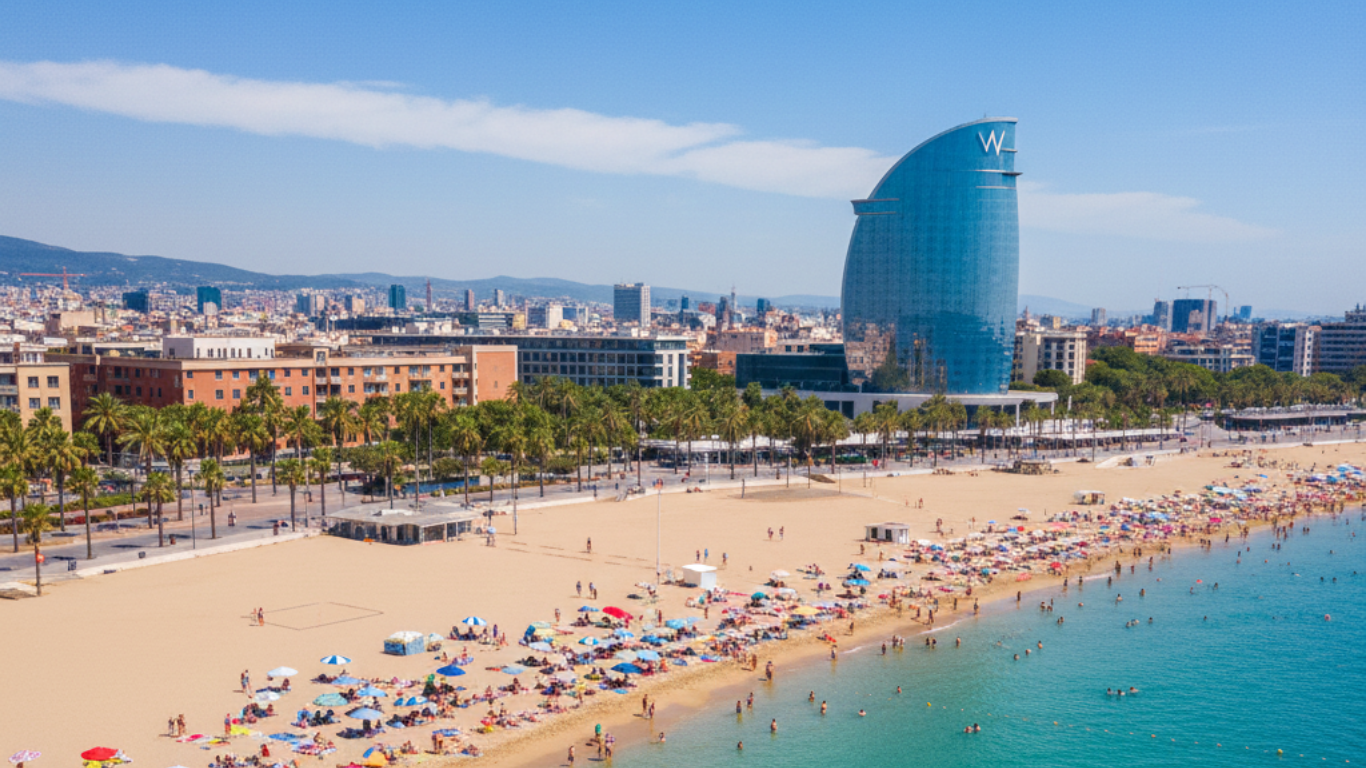
Peak summer delivers the Barcelona experience most visitors imagine—packed beaches, long Mediterranean days, and vibrant street life—but at significant costs in comfort, crowds, and pricing. Temperatures regularly exceed 30°C (86°F), with August particularly brutal as humidity compounds the heat and air conditioning isn’t universal in older buildings. The Mediterranean reaches its warmest at 25-26°C (77-79°F), perfect for swimming but creating crowded beach conditions where finding space on Barceloneta becomes challenging by 11am. These months see Barcelona at maximum capacity with 3-4 million visitors monthly, creating situations where Sagrada Família tickets sell out weeks ahead, Park Güell reaches capacity limits, and Las Ramblas becomes barely navigable. Accommodation prices peak at 200-300% of winter rates, with even hostels charging premium prices. August presents a unique paradox—maximum tourists but many locals on vacation, meaning some authentic neighborhood restaurants close for 2-4 weeks. Concerts and festivals continue throughout summer, including Grec Festival showcasing theater, music, and dance in Montjuïc’s open-air venues. Despite challenges, summer offers undeniable advantages: guaranteed beach weather, longest days (sunset after 9:30pm), most beach clubs operating, and the quintessential Mediterranean summer experience. Siestas become practical rather than cultural curiosity as midday heat encourages retreat. Tourist services operate at full capacity with extended hours. This season suits beach enthusiasts, families constrained by school schedules, and those prioritizing guaranteed weather over authentic atmosphere. Success requires planning—book everything in advance, accept higher costs, and structure days around heat (early morning/late afternoon activities).
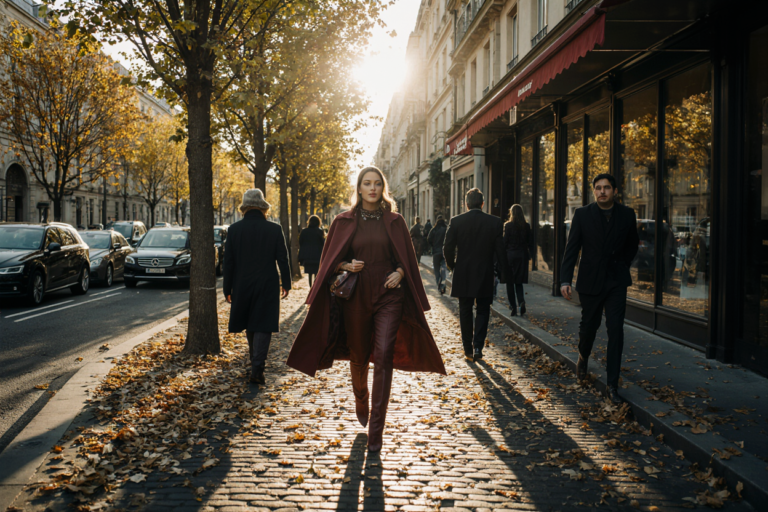
Season 5: Golden Fall (September – October)
Fall, particularly September, rivals spring as Barcelona’s objectively best visiting period, offering summer’s warmth without its extremes. September maintains beautiful 23-28°C (73-82°F) temperatures, and the Mediterranean stays warm at 23-24°C (73-75°F) from summer heat retention—many locals consider September optimal for beach enjoyment without crowds. Tourist numbers plunge dramatically after school returns mid-September, creating immediate relief at attractions and beaches. La Mercè festival in late September (around September 24th) represents Barcelona’s biggest annual celebration with four days of giants, human towers, fire runs, correfocs (fire-running demons), free concerts, and spectacular closing fireworks—the entire city participates making it the most authentic major festival. October continues pleasant conditions (18-23°C/64-73°F) though occasional rain increases to 80-100mm monthly. This is mushroom season (bolets) in Catalonia, with restaurants featuring wild mushroom dishes and locals heading to forests for foraging. Wine harvest (verema) occurs in nearby Penedès and Priorat regions, offering visits to wineries during their most exciting period with grape crushing and new wine tastings. Prices drop 30-40% from summer peaks while weather remains excellent. Daylight decreases but remains ample (sunset around 7-8pm in September, earlier in October). Fall particularly suits culture enthusiasts wanting festivals and excellent weather, food lovers interested in seasonal cuisine, and those seeking strong value with minimal compromise. Book La Mercè accommodation early as this festival attracts Spanish visitors.
Season 6: Mild Winter (November)
November occupies unique transitional space between fall color and winter chill, offering Barcelona’s most underrated visiting window for specific traveler types. Temperatures cool to 12-18°C (54-64°F), comfortable for walking but requiring light jacket. Tourist numbers drop to yearly lows, creating the most authentic Barcelona experience possible—you’ll share attractions primarily with school groups and locals rather than international tourists. Prices plunge 50-60% from summer, with exceptional value in accommodation and occasional flight deals. Many restaurants participate in “gastronomy weeks” offering fixed-price menus showcasing seasonal ingredients. November’s increasing rainfall (70-90mm) represents the main drawback, with unpredictable weather requiring flexible planning. However, Barcelona’s rain typically comes in short bursts rather than all-day downpours. Beach culture fully closes, with swimming completely off-table (water drops to 17-18°C/63-64°F) and many beach restaurants shuttered until March. Conversely, this makes coastal walks peaceful and beautiful. Museums become exceptionally enjoyable without crowds—lingering at Picasso Museum or exploring Fundació Miró becomes meditative rather than rushed. Christmas decorations begin appearing late November, previewing winter magic without full holiday crowds. Daylight significantly shortens (sunset around 5:30pm) limiting daily activities but creating cozy evening atmosphere. November suits budget-conscious travelers, museum enthusiasts, those who prefer cool weather, and anyone seeking authentic local Barcelona without tourist influence. It’s Barcelona for Barcelonans, and visitors become temporary residents rather than obvious tourists.
Common Mistakes to Avoid When Planning Your Trip
Visiting in August Without Preparation
August represents Barcelona’s most challenging month, yet thousands arrive unprepared for the realities of peak summer. The extreme heat regularly exceeds 32°C (90°F) with high humidity, making midday sightseeing genuinely uncomfortable or even dangerous for heat-sensitive individuals. Many visitors underestimate this, attempting full-day itineraries only to end up exhausted, dehydrated, and frustrated. Compounding heat issues, numerous local businesses close for summer vacation—your anticipated neighborhood restaurant might be shuttered, forcing reliance on touristy alternatives. Beach crowding reaches absurd levels where arriving after 10am means no space on sand. Hotel air conditioning becomes essential rather than luxury, yet some older properties lack it, creating miserable sleeping conditions. The solution isn’t avoiding August entirely but preparing properly: book accommodations with confirmed AC, plan early morning (7-10am) and late afternoon (after 6pm) sightseeing, embrace siestas, hydrate constantly, and accept higher costs and reduced authenticity. Alternatively, if flexibility exists, simply shift travel to September—you’ll experience 90% of summer benefits with 50% fewer problems.
Ignoring Major Festivals and Events
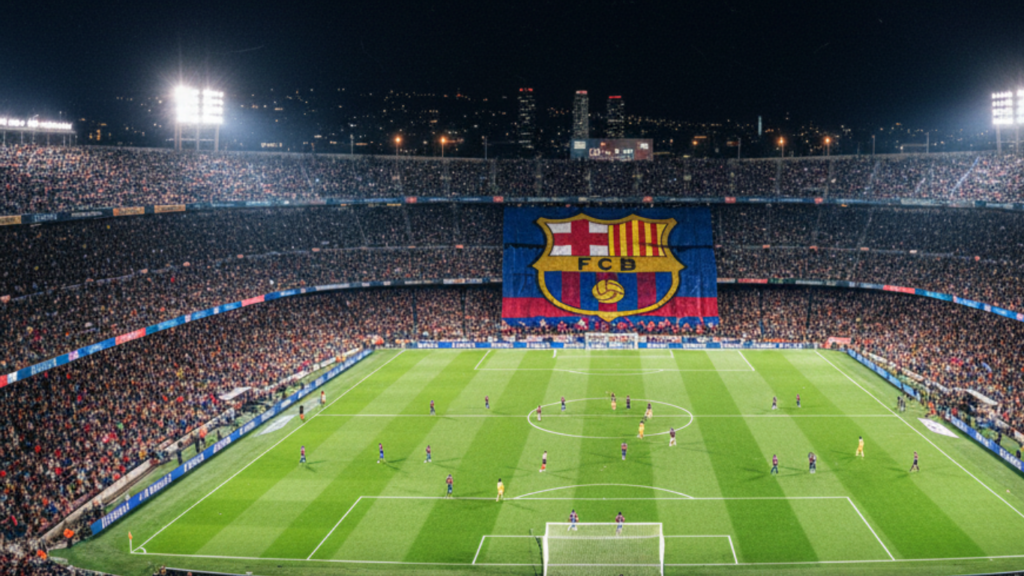
Failing to research Barcelona’s calendar creates two opposite problems: missing incredible experiences or encountering unexpected disruptions. Visitors arrive during La Mercè completely unaware, missing human towers, fire runs, and spectacular celebrations simply because they didn’t know. Conversely, others arrive during Mobile World Congress (late February) finding all hotels booked and prices inflated without understanding why. Major events dramatically impact Barcelona’s availability and atmosphere—FC Barcelona home matches at Camp Nou (now playing at Montjuïc while stadium renovates) see 90,000 fans converging, affecting transit and restaurant availability. Formula 1 races at Circuit de Catalunya (May) flood hotels along coastal areas. Sant Jordi (April 23) transforms street accessibility with vendors occupying pedestrian zones. The solution is simple but essential: check Barcelona’s official events calendar and major sports schedules at least 6 months before booking. If major events align with your dates, decide whether to embrace them (book earlier, expect crowds, plan around them) or shift dates slightly to avoid them. Missing Sant Joan bonfires or La Mercè festivals because you didn’t know they existed represents a tragic lost opportunity.
Underestimating Booking Lead Time
Barcelona’s popularity means last-minute booking increasingly results in disappointment or inflated prices, yet many travelers still attempt spontaneous visits. Popular attractions now require advance tickets—Sagrada Família often sells out 3-4 weeks ahead during high season, Park Güell reaches capacity daily in summer, and Casa Batlló evening visits book weeks early. Without advance planning, you’ll either miss highlights entirely or waste precious vacation time queuing for hours. Accommodation presents similar issues—best-value hotels and apartments disappear 2-3 months before travel, leaving only overpriced or poorly-located options. Restaurants at celebrity chef establishments (like Tickets or Disfrutar) require reservations months ahead. Even neighborhood favorites increasingly accept or require bookings during busy periods. The solution combines research and action: identify must-see attractions, book timed-entry tickets as soon as travel dates confirm (typically 2-3 months ahead), secure accommodation early when selection is best, and make restaurant reservations for special dinners. This doesn’t mean over-scheduling every moment, but ensuring your highest priorities are secured. Paradoxically, booking key elements ahead actually increases spontaneity by eliminating anxiety about availability.
Misjudging Transportation and Distances
First-time visitors often misunderstand Barcelona’s layout and transportation realities, leading to exhaustion or wasted time. While Barcelona isn’t enormous, it’s larger than walking-only allows—Gothic Quarter to Park Güell is 4.5km uphill, Sagrada Família to Montjuïc is 5km, and attempting to walk everywhere results in 20,000+ daily steps on hard pavement. The opposite mistake involves over-relying on taxis or tourist buses instead of Barcelona’s excellent metro system. The integrated metro and bus network reaches virtually everywhere efficiently and cheaply (€12 T-Casual ticket provides 10 journeys), yet visitors pay €15-20 for taxis covering identical routes in similar time due to traffic. Beach areas particularly confuse visitors—Barceloneta is walkable from the center, but beaches stretching northeast (Bogatell, Mar Bella) are 3-5km away, requiring metro or bus. Airport transfer generates particular confusion, with the Aerobus (€5.90) offering direct service to city center in 35 minutes, yet visitors pay €35+ for taxis or struggle with train connections. The solution involves modest research: download the TMB metro app, purchase a T-Casual card upon arrival, understand that Barcelona operates on efficient public transit, and reserve walking for specific neighborhoods (Gothic Quarter, Gràcia, Barceloneta) while using metro between districts. This combination maximizes efficiency without missing street-level discovery.
Overlooking Siesta Culture and Meal Times
Barcelona’s traditional rhythms continue despite tourist influence, and ignoring them creates frustration. Many smaller shops, particularly in residential neighborhoods, close approximately 2-4pm for siesta—arriving to locked doors leaves visitors confused and plans disrupted. Similarly, attempting lunch at 2pm might find you alone in restaurants as locals haven’t yet arrived (lunch typically 2-3:30pm), while seeking dinner at 6pm means almost nothing is open except tourist traps (dinner starts 9-10pm). Museums and attractions increasingly maintain tourist-friendly hours, but neighborhood experiences require adjustment. Sunday presents particular challenges as many shops close (exceptions: major chains, tourist areas, shopping centers), and Monday sees numerous museums closed (notably Picasso Museum). The solution combines awareness and adaptation: plan morning sightseeing and shopping, embrace afternoon breaks at beach or hotel during hot months, enjoy late afternoon/evening exploration when temperatures cool and city reanimates, and shift meal times toward Spanish schedule (breakfast 8-9am, lunch 2-3pm, dinner 9-10pm). This isn’t just cultural respect but practical—restaurants serving “authentic” paella at noon are catering to tourists, while the 2:30pm crowd represents locals eating genuinely good food. Adapting to Barcelona’s rhythm rather than fighting it creates immeasurably better experiences.
Neglecting Weather-Appropriate Packing
Barcelona’s variable climate catches unprepared visitors, creating discomfort that undermines trips. Summer visitors often underpack, bringing insufficient sun protection for Mediterranean intensity—severe sunburn frequently plagues beachgoers who underestimate altitude and reflection. Conversely, they overpack heavy clothing unnecessary in 30°C heat. Winter visitors make opposite mistakes, expecting harsh cold and bringing excessive layers when 12-15°C represents typical temperatures requiring only light jacket. Spring and fall prove trickiest with temperature swings of 10-15°C between morning and afternoon, necessitating layering. Rain gear confusion is common—Barcelona isn’t particularly rainy but October and April bring showers, yet visitors arrive either completely unprepared (ruining outdoor plans) or over-prepared with heavy rain gear never used. Footwear generates particular problems as Barcelona requires extensive comfortable walking, yet visitors bring fashion shoes causing blisters, or heavy hiking boots unnecessary for urban exploration. The solution involves researching specific dates’ typical weather (not just monthly averages), checking 10-day forecasts before departure, and packing versatile layers. Summer requires sun protection (50+ SPF, hat, sunglasses), light breathable clothing, and comfortable walking sandals. Winter needs light jacket, long pants, and closed shoes. Spring/fall benefits from layering—light jacket, mix of short and long sleeves, and always a small umbrella. Comfortable walking shoes remain essential year-round, as Barcelona’s beautiful streets demand 8-15km daily walking to truly experience the city.
Frequently Asked Questions
What is the absolute cheapest month to visit Barcelona?
January and February represent Barcelona’s lowest prices, with accommodation costs dropping 60-70% below summer peaks. A hotel charging €200/night in August might cost €60-80 in January. Flight prices similarly plunge as airlines offer deals during slow winter months. Late November also offers excellent value before Christmas tourism begins. However, consider that beach activities are completely off-table, some beach restaurants close, and shorter daylight limits daily activities. For beach enthusiasts, October offers the best value-to-weather ratio with prices 30-40% below summer but still-warm Mediterranean and pleasant temperatures.
When is Barcelona least crowded?
Tourist numbers hit absolute lows from late November through February (excluding Christmas/New Year week). January and the first half of February see Barcelona at perhaps 30-40% of summer tourist density. Museums become peaceful, restaurants don’t require reservations, and attractions operate with minimal queues. You’ll share the city primarily with locals and school groups. November offers similar benefits with slightly better weather, though increasing rain. These periods let you experience authentic Barcelona without tourist influence—neighborhood cafés, local markets, and genuine interactions that summer crowds make impossible.
Is Barcelona worth visiting in winter?
Absolutely yes, for specific traveler types. Winter Barcelona suits culture enthusiasts, museum lovers, budget travelers, and those who prefer cooler weather and authenticity over beach time. Temperatures remain mild (10-15°C/50-59°F), rarely uncomfortable for active sightseeing. Major attractions maintain full schedules, neighborhoods reveal authentic character without tourist distortion, and exceptional value makes luxury accessible. Christmas markets, Three Kings parade, and cozy Gothic Quarter evenings create magical experiences. However, winter doesn’t suit those prioritizing beach activities, Mediterranean summer vibes, or long evening daylight. It’s a fundamentally different Barcelona—contemplative rather than energetic, local rather than international—but equally rewarding for travelers aligned with these qualities.
Can you swim in Barcelona’s beaches year-round?
Practically, no. Mediterranean water temperatures range from 13-14°C (55-57°F) in February to 25-26°C (77-79°F) in August. Comfortable swimming requires approximately 20°C+ (68°F+), which occurs June through October with peak warmth July-September. May and October represent marginal swimming—hardy individuals tolerate it, but most find it uncomfortably cool. November through April is theoretically possible but genuinely cold, suitable only for dedicated cold-water swimmers. Beach enjoyment continues year-round through walking, jogging, and sunbathing (spring/fall), but actual swimming practically limits to May-October with June-September representing optimal conditions.
How many days should I spend in Barcelona for each season?
Minimum recommendations vary by season and activities. Summer beach trips might need only 3-4 days if focused solely on beach and Gothic Quarter. However, most visitors should allocate 4-6 days to properly experience Barcelona’s depth—Gaudí architecture, museums, neighborhoods, day trips, and allowing unscheduled wandering. Winter visits might condense slightly to 3-5 days as shorter daylight limits activities. Spring and fall suit longer stays (5-7 days) to fully embrace outdoor activities and potential day trips to Montserrat, Girona, or wine regions. First-time visitors should target 5 days minimum regardless of season, allowing: Day 1 for Gothic Quarter and Ramblas, Day 2 for Gaudí highlights, Day 3 for museums and Montjuïc, Day 4 for Gràcia and Park Güell, Day 5 for beach or day trip. This pacing prevents exhaustion while covering essentials with breathing room for spontaneous discoveries.
What should I pack for Barcelona in shoulder season (spring/fall)?
Shoulder season packing requires versatility for 10-15°C temperature swings between morning and evening. Essential items include: comfortable walking shoes (you’ll walk 10-15km daily), light weatherproof jacket that compresses easily, mix of short and long-sleeve shirts allowing layering, one pair long pants and one shorts/skirt, small compact umbrella (especially April and October), sunglasses and sunscreen (Mediterranean sun remains strong), light scarf for evening chill, and crossbody bag for daily exploration. Spring (March-May) leans slightly cooler, add light sweater. Fall (September-October) starts warmer, prioritize breathable fabrics. Both seasons suit layering—mornings might be 12°C requiring jacket, afternoons reaching 22°C where t-shirt suffices. Avoid heavy winter coats or excessive warm clothes, but equally avoid assuming Mediterranean means perpetual heat. Check specific forecasts closer to departure and adjust accordingly.