Shanghai Travel Guide: 7 Must-See Spots
Shanghai, China’s largest city and global financial hub, seamlessly blends centuries-old traditions with cutting-edge modernity. This vibrant metropolis of over 24 million people offers travelers an extraordinary journey through ancient temples, colonial architecture, futuristic skyscrapers, and world-class cuisine. Whether you’re exploring the historic lanes of the French Concession or gazing at the neon-lit Pudong skyline, Shanghai captivates with its unique East-meets-West character. This comprehensive guide highlights seven essential destinations that showcase the city’s diverse personality, helping you experience the authentic soul of Shanghai while maximizing your precious travel time. From the iconic waterfront promenade to hidden cultural gems, these carefully selected spots represent the must-see experiences that define any memorable Shanghai adventure.
Table of Contents
Why Visiting Shanghai’s Top Spots Matters
Understanding Shanghai’s Cultural Significance
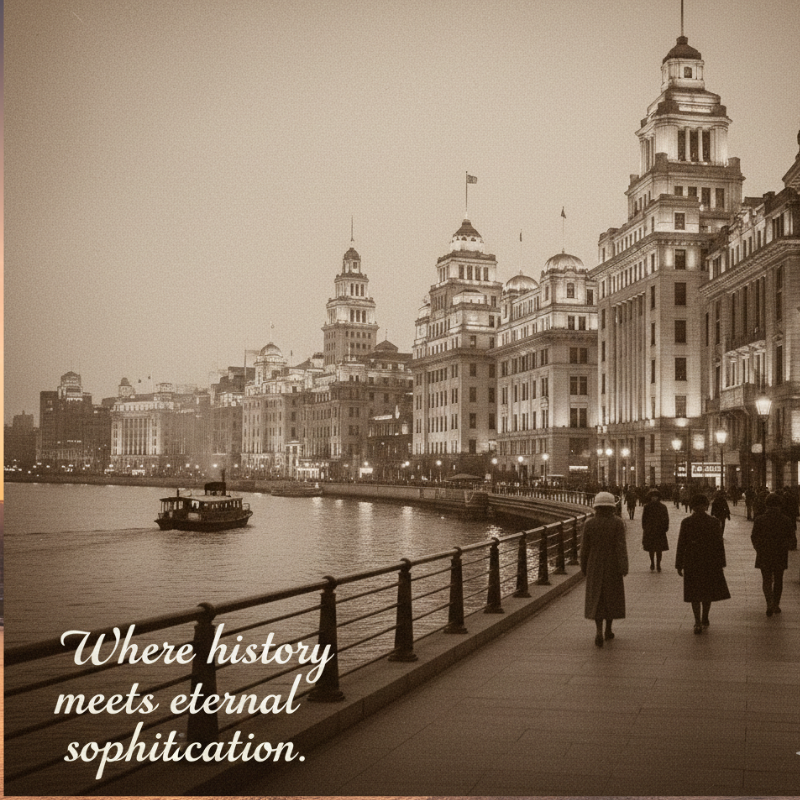
Shanghai stands as China’s window to the world, where 5,000 years of Chinese civilization converge with international influence. Visiting the city’s landmark destinations allows you to witness this unique cultural fusion firsthand. The Bund’s colonial architecture tells stories of Shanghai’s role as the “Paris of the East” during the 1920s and 1930s, while the towering Shanghai Tower symbolizes China’s 21st-century economic ascendance. These locations aren’t merely tourist attractions—they’re living museums that chronicle China’s transformation from imperial dynasty through foreign occupation to global superpower.
Maximizing Your Limited Travel Time
Most international visitors allocate only 3-5 days for Shanghai within a larger China itinerary. Strategic planning becomes essential to avoid wasting precious hours on less rewarding experiences. The seven spots featured in this guide represent the highest-value destinations based on cultural significance, visual impact, and authentic local experience. By focusing on these proven locations, you’ll create a comprehensive Shanghai experience without the frustration of overcrowded tourist traps or disappointing attractions that look better in photographs than reality.
Experiencing Authentic Shanghai Beyond the Surface
Shanghai’s tourism landscape includes countless attractions, but many cater primarily to domestic Chinese tourists with different interests and expectations. The destinations in this guide offer universal appeal while providing genuine insights into Shanghai life. Yu Garden reveals traditional Chinese garden design philosophy, while Tianzifang demonstrates how modern Shanghainese have adapted historic shikumen architecture into contemporary creative spaces. These locations help you understand what makes Shanghai distinctly different from Beijing, Hong Kong, or other major Asian cities.
Building Context for Deeper Exploration
First-time visitors who skip Shanghai’s essential landmarks often struggle to understand the city’s geography, history, and social dynamics. The Bund provides orientation for Shanghai’s layout along the Huangpu River, dividing historic Puxi from modern Pudong. Nanjing Road establishes context for Chinese consumer culture and retail evolution. Jing’an Temple illustrates the complex relationship between commercial development and religious practice in contemporary China. These foundational experiences create the context necessary for meaningful exploration of Shanghai’s lesser-known neighborhoods and specialized interests during future visits.
Creating Instagram-Worthy Memories with Substance
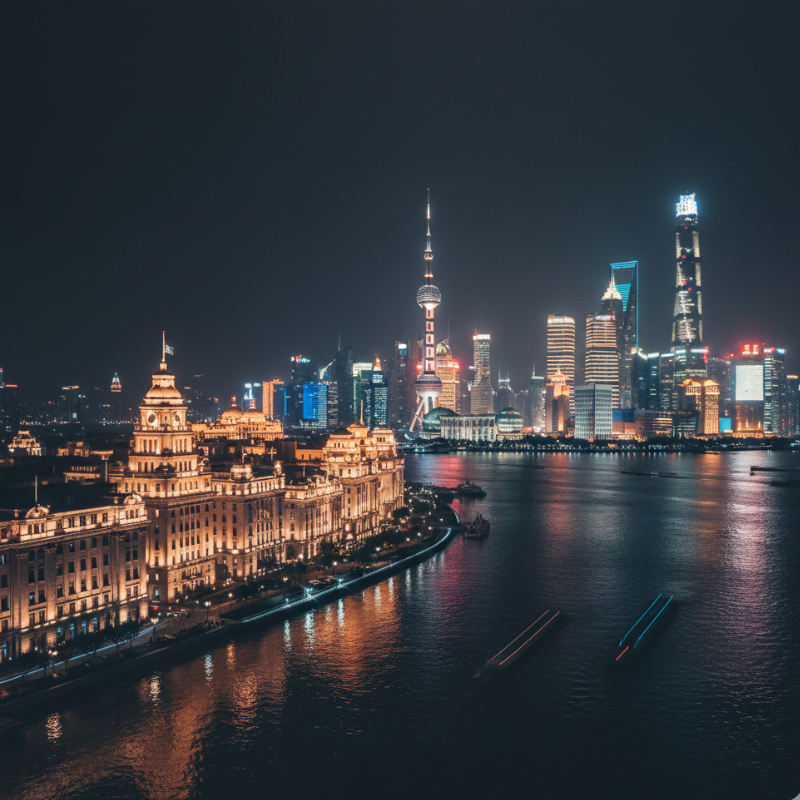
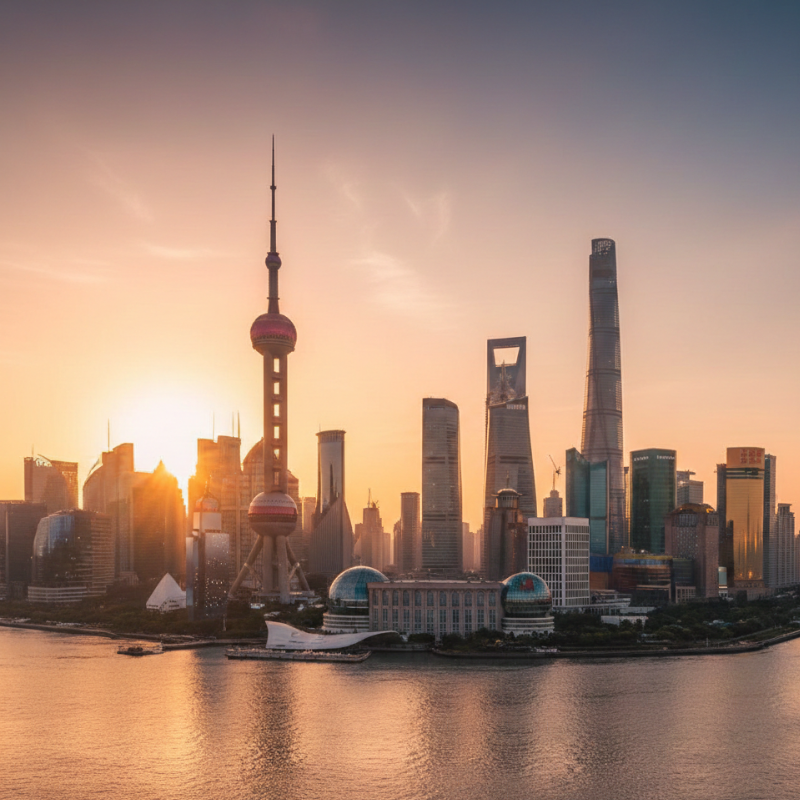
Social media has transformed travel expectations, with many visitors prioritizing photogenic locations over meaningful experiences. Shanghai’s seven must-see spots deliver both visual impact and cultural substance. The Oriental Pearl Tower offers that iconic Shanghai skyline shot, while The Bund provides the perfect golden-hour photography opportunity with the Pudong skyline backdrop. Unlike purely aesthetic destinations, these locations also offer rich stories, historical significance, and authentic cultural encounters that transform superficial snapshots into meaningful travel memories with lasting value.
Appreciating Architectural Diversity
Shanghai showcases architectural styles spanning from classical Chinese design to Art Deco, Brutalist concrete, and futuristic neo-futurism—often within the same city block. This architectural diversity reflects Shanghai’s unique historical trajectory and rapid development. By visiting these seven essential spots, you’ll gain appreciation for how architecture tells Shanghai’s story: traditional temple eaves at Jing’an Temple, 1930s European buildings along The Bund, restored shikumen houses in the French Concession, and gravity-defying glass towers in Pudong. This architectural education enhances your ability to read and understand Shanghai’s urban landscape throughout your visit.
How to Choose Which Shanghai Attractions to Visit First
Assess Your Personal Interests and Travel Style
Begin your Shanghai planning by honestly evaluating what type of traveler you are and what genuinely interests you. History enthusiasts should prioritize The Bund and Yu Garden for their cultural and architectural significance, while modern architecture fans will prefer Shanghai Tower and the Pudong skyline. Photography-focused travelers need to schedule The Bund during golden hour and the Oriental Pearl Tower at night. Foodies should ensure their itinerary includes time to explore nearby street food markets and restaurants around each attraction. Create a ranked list of your interests—history, food, architecture, shopping, nightlife, art—then match attractions to your top three priorities rather than trying to experience everything superficially.
Consider Geographic Clustering and Transportation Logistics
Shanghai spans over 6,300 square kilometers, making efficient geographic planning essential. The Bund, Yu Garden, and Nanjing Road form a natural cluster in central Puxi, easily explored in a single day using walking and short metro rides. The French Concession and Jing’an Temple create another logical grouping in western-central Shanghai. Pudong attractions like Shanghai Tower and Oriental Pearl Tower require crossing the river via metro or tunnel, best combined with waterfront dining experiences. Study the metro map and group destinations by proximity, allowing 30-45 minutes for transportation between districts. This clustering approach saves hours of unnecessary transit time while reducing physical and mental fatigue from constant navigation.
Factor in Opening Hours and Peak Crowd Times
Shanghai’s major attractions operate on varying schedules that significantly impact your experience quality. Shanghai Tower observation deck opens at 8:30 AM, offering relatively quiet morning visits before tour groups arrive around 10:30 AM. Yu Garden experiences intense crowding from 11 AM to 4 PM, making early morning or evening visits far more pleasant. The Bund offers 24-hour access but transforms dramatically between daytime commercial energy and evening romantic ambiance. Jing’an Temple opens at 7:30 AM when local worshippers create an authentic spiritual atmosphere, quite different from midday tourist crowds. Research specific opening hours, then schedule popular spots during off-peak times—typically early mornings or weekday afternoons—reserving evenings for dining and nightlife experiences.
Evaluate Your Physical Stamina and Mobility Needs
Realistic assessment of your physical capabilities prevents overambitious planning that leads to exhaustion and reduced enjoyment. Shanghai’s summer heat and humidity can be brutal, with temperatures exceeding 35°C (95°F) and high pollution levels draining energy quickly. Walking The Bund’s 1.5-kilometer stretch, exploring Yu Garden’s winding pathways, and climbing temple stairs all require moderate fitness levels. Shanghai Tower’s observation deck sits 561 meters high, potentially challenging for visitors with height sensitivity. If traveling with elderly family members or young children, build in rest periods, schedule indoor attractions during the hottest midday hours, and consider hiring private drivers for comfortable inter-district transportation rather than relying exclusively on metro transfers with multiple stairways.
Align Visits with Weather and Seasonal Considerations
Shanghai’s climate dramatically affects attraction enjoyment, making weather-based planning crucial. Spring (March-May) and autumn (September-November) offer ideal conditions with mild temperatures and lower humidity, perfect for outdoor attractions like The Bund and French Concession walking tours. Summer (June-August) brings oppressive heat and sudden thunderstorms, best countered by scheduling indoor attractions like Shanghai Museum during midday heat, reserving outdoor exploration for early morning or evening. Winter (December-February) sees temperatures around 5-10°C (41-50°F) with occasional snow, making indoor observation decks and heated shopping streets more appealing. Check weather forecasts throughout your planning process, maintaining flexibility to swap outdoor and indoor activities based on actual conditions rather than rigid pre-planned schedules.
Balance Tourist Highlights with Authentic Local Experiences
The best Shanghai itineraries blend iconic must-see destinations with genuine local neighborhood experiences. After photographing The Bund’s skyline views, venture into nearby Hongkou District to discover authentic breakfast spots serving shengjianbao (pan-fried pork buns) where few foreigners tread. Following your Yu Garden visit, explore the surrounding Old Town alleys where elderly residents still practice tai chi in small courtyard spaces. This balanced approach prevents “attraction fatigue”—the numbing effect of visiting one famous landmark after another without connecting to actual Shanghai life. Allocate roughly 60% of your time to the seven essential spots in this guide, reserving 40% for wandering, spontaneous discoveries, extended meals, and simply observing daily life in residential neighborhoods that reveal Shanghai’s authentic character beyond the tourist veneer.
The 7 Must-See Spots in Shanghai
The Bund – Shanghai’s Iconic Waterfront Promenade
The Bund (Waitan in Chinese) stretches 1.5 kilometers along the western bank of the Huangpu River, showcasing 52 buildings representing various architectural styles from Gothic to Renaissance, Baroque to Art Deco. This waterfront promenade served as Shanghai’s financial and commercial center during the city’s 1920s-1930s golden age when foreign banks, trading houses, and hotels established their imposing headquarters here. Today, these meticulously restored colonial buildings house luxury hotels, fine dining restaurants, and high-end boutiques, while the riverside walkway provides spectacular views of Pudong’s futuristic skyline across the water. Visit during early morning (6-8 AM) to watch locals practicing tai chi and experience the promenade without tourist crowds, or return at sunset (around 6:30 PM in summer) when golden light bathes the historic facades and the Pudong skyline begins its nightly LED light display. The architectural highlight includes the former Hong Kong and Shanghai Banking Corporation Building (now Pudong Development Bank), featuring the building’s spectacular mosaic ceiling depicting the world’s major banking centers—one of Shanghai’s most photographed interior spaces. Walking the entire Bund takes approximately 45 minutes at a leisurely pace, with numerous opportunities to cross underground tunnels to Pudong or board river cruise boats for different perspectives.
Yu Garden – Classical Chinese Garden and Old Town
Yu Garden (Yuyuan) represents one of China’s finest examples of classical Ming Dynasty garden design, originally constructed in 1559 by Pan Yunduan as a gift for his parents’ retirement. This 2-hectare masterpiece demonstrates the Chinese garden philosophy of creating perfect microcosm landscapes through careful arrangement of rockeries, pavilions, ponds, and dragon walls—every element positioned to encourage contemplation and spiritual harmony. The garden’s name means “Garden of Happiness,” and its six main scenic areas include the Grand Rockery (the oldest and largest rockery south of the Yangtze River), the Hall of Heralding Spring, and the Inner Garden’s renowned Exquisite Jade Rock. Entry costs 40 RMB during peak season (April-June, September-November) and 30 RMB off-season, with tickets purchased at the entrance or through Chinese booking apps like Ctrip. The surrounding Yuyuan Bazaar offers overwhelming sensory experiences with hundreds of shops selling traditional crafts, silk garments, tea sets, and local snacks—though prices cater heavily to tourists (expect to negotiate prices down by 30-50% from initial quotes). For authentic Old Town atmosphere, arrive right at opening time (8:30 AM) before tour groups flood the narrow pathways, allowing quiet appreciation of the garden’s sophisticated design principles. Don’t miss trying xiaolongbao (soup dumplings) at nearby Nanxiang Steamed Bun Restaurant, credited as the original xiaolongbao restaurant, though quality has declined somewhat due to tourist volume—consider this more for historical significance than culinary excellence.
Shanghai Tower – World’s Second-Tallest Building
Shanghai Tower dominates Pudong’s skyline at 632 meters with 128 floors, making it the world’s second-tallest building (after Dubai’s Burj Khalifa) and China’s tallest structure. This architectural marvel features a unique twisted design with a 120-degree rotation from base to top, incorporating sustainable elements including wind turbines, rainwater recycling systems, and double-skin facade insulation that reduces heating and cooling costs by 25%. The building’s observation deck on the 118th floor (546 meters high) operates from 8:30 AM to 10:00 PM, accessed by the world’s fastest elevators traveling at 18 meters per second—reaching the top in just 55 seconds with minimal ear pressure discomfort. Standard tickets cost 180 RMB for adults, with priority fast-track tickets at 320 RMB allowing you to skip queues that can exceed 90 minutes during weekends and Chinese holidays. The observation deck features 360-degree views through floor-to-ceiling windows, transparent floor sections for thrill-seekers, interactive touchscreens explaining visible landmarks, and a small cafe serving overpriced coffee that you’ll gladly pay for the seating and views. Visit during clear mornings for maximum visibility—Shanghai’s air pollution often reduces visibility to 10-15 kilometers by afternoon, particularly during summer months. The neighboring Jin Mao Tower (421 meters) and Shanghai World Financial Center (492 meters) complete Pudong’s “Three Towers” cluster, though Shanghai Tower’s superior height and modern facilities make it the recommended choice for most visitors with limited time.
The French Concession – Tree-Lined Streets and Historic Charm
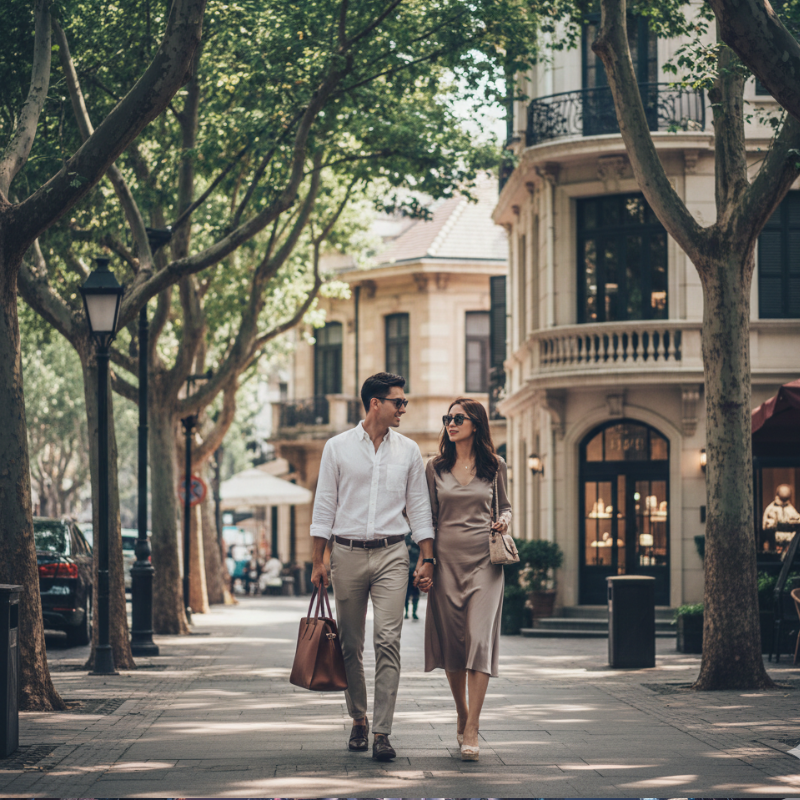
The French Concession spans several square kilometers of central Shanghai, characterized by plane tree-lined avenues, restored Art Deco villas, hidden cafes, independent boutiques, and the city’s most vibrant nightlife scene. Originally established in 1849 when the French government secured concession rights, this district developed distinctly European character with French street names (many still used locally despite official Chinese renaming), Catholic churches, and residential architecture blending French villa styles with local materials. Today’s French Concession centers around key areas including Tianzifang (a labyrinth of converted shikumen houses now containing 200+ craft shops, galleries, and cafes), Xintiandi (upscale reconstruction of traditional architecture into luxury shopping and dining complex), and Fuxing Park (French-style park popular with elderly locals for morning exercises and afternoon card games). The best exploration method involves aimless wandering through side streets like Wukang Road, Anfu Road, and Julu Road, discovering vintage clothing stores, specialty coffee roasters, contemporary art galleries, and international restaurants representing cuisines from Italian to Mexican, Vietnamese to French. Architecture enthusiasts should seek out the Moller Villa (now Hengshan Moller Villa Hotel), Pushkin Museum housed in a 1930s apartment building, and the Community Church with its distinctive red brick facade. Street food vendors become scarce here compared to other Shanghai districts, but restaurant quality significantly exceeds tourist areas—expect to pay 100-200 RMB per person for meals at mid-range establishments. The French Concession requires at minimum 4-5 hours to appreciate properly, though many visitors find themselves spending entire days exploring this endlessly fascinating district.
Nanjing Road – Premier Shopping Street Experience
Nanjing Road stretches 5.5 kilometers from The Bund to Jing’an Temple, divided into Nanjing East Road (pedestrianized retail strip) and Nanjing West Road (luxury shopping boulevard). The eastern pedestrian section sees 1 million visitors daily, making it one of the world’s busiest shopping streets—comparable to New York’s Fifth Avenue or London’s Oxford Street for commercial intensity. This 1.2-kilometer pedestrian zone features massive department stores including Shanghai No. 1 Department Store (opened 1936, renovated 2020), various international fashion chains, specialty food shops selling local Shanghai snacks, and the iconic old-time tourist tram running the street’s length for novelty photo opportunities. Nanjing West Road transitions into luxury territory with Plaza 66, CITIC Square, and Shanghai Centre housing international luxury brands from Louis Vuitton to Gucci, Cartier to Prada—catering primarily to wealthy Chinese shoppers driving Shanghai’s luxury consumption boom. Shopping aside, Nanjing Road provides fascinating people-watching opportunities and illuminated evening spectacle with massive LED screens, neon signs, and crowds creating Times Square-like energy. Most international visitors find actual shopping disappointing (similar goods available worldwide, often at higher prices than home markets), making the street more valuable as cultural experience than retail opportunity. Visit during weekday early evenings (5-7 PM) for peak energy without weekend crush, or late night (after 9 PM) when crowds thin but lights remain spectacular. The intersection of Nanjing Road and The Bund creates Shanghai’s tourism ground zero—expect aggressive touts offering tea ceremonies, fake pearl markets, and various scams targeting obvious foreigners (politely decline and keep walking).
Jing’an Temple – Buddhist Temple Amid Modern Shanghai
Jing’an Temple presents Shanghai’s most striking juxtaposition of ancient spirituality and modern commercialism, with a gleaming golden Buddhist temple complex literally surrounded by luxury shopping malls and office towers. Originally founded in 247 AD during the Three Kingdoms period, the temple relocated to its current location in 1216 and underwent complete reconstruction in 2010 using traditional techniques, cedar wood from Myanmar, and genuine gold leaf covering the main hall’s exterior. The temple complex includes the Mahavira Hall housing three golden Buddhas, a seven-story jade pagoda, numerous smaller shrines, and a 3.8-meter tall jade Buddha weighing 11.5 tons—carved from a single jade stone and considered one of Asia’s largest jade Buddha statues. Entry costs 50 RMB with tickets purchased at the main gate, though the temple often attracts more curious tourists than genuine worshippers compared to smaller neighborhood temples. Active religious ceremonies occur daily at 4:30 AM and 4:30 PM when resident monks perform chanting rituals—attending these services (free, respectful observation welcome) provides authentic spiritual atmosphere completely different from midday tourist visits. The temple’s commercial surroundings initially seem jarring to Western visitors expecting remote mountain temples, but this integration of sacred and secular perfectly represents contemporary Chinese Buddhism’s adaptation to modern urban reality. Photography is permitted in courtyard areas but prohibited inside main halls—security guards actively enforce this policy. The surrounding Jing’an District offers excellent dining options, luxury shopping at Jing’an Kerry Centre, and Jing’an Park providing peaceful green space just minutes from the temple’s incense-filled courtyards.
Oriental Pearl Tower – Iconic Shanghai Symbol
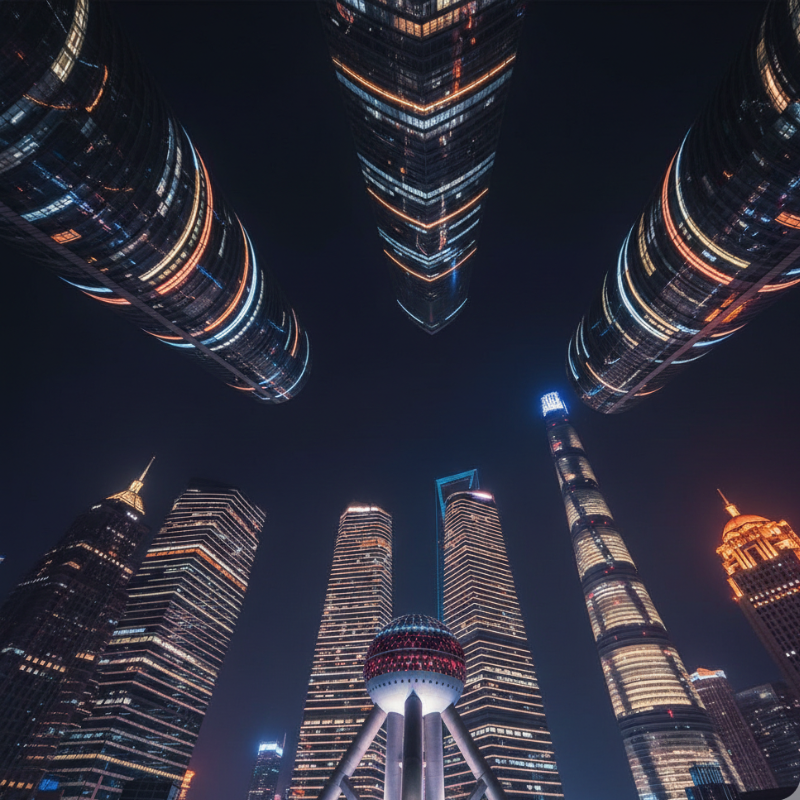
The Oriental Pearl Tower’s distinctive design featuring eleven spheres of varying sizes strung like pearls along two massive columns has symbolized Shanghai’s modern identity since completion in 1994. Standing 468 meters tall (considerably shorter than newer Shanghai Tower), this Pudong landmark served as Asia’s tallest structure when built and remains Shanghai’s most recognizable building due to its unique sci-fi appearance and prominent location directly across from The Bund. The tower houses observation decks at 263 meters (lower sphere) and 350 meters (upper sphere), a revolving restaurant at 267 meters, transparent glass floor sections for vertigo-inducing photo opportunities, and the Shanghai History Museum occupying the tower’s base with excellent exhibits chronicling Shanghai’s development from fishing village to global metropolis. Ticket prices vary by combination: basic admission with lower observation deck costs 160 RMB, while full-access tickets including both decks, glass walkway, and museum run 220 RMB—though many visitors find the basic lower deck sufficient given the primarily similar views. The tower’s kitsch factor divides visitors, with some appreciating the retro-futuristic 1990s aesthetic while others prefer Shanghai Tower’s contemporary sophistication. Visit timing proves crucial: daytime offers clearer long-distance visibility (though Shanghai’s pollution often limits this), while evening visits provide spectacular views of The Bund’s illuminated colonial buildings and Nanjing Road’s neon glow. The tower undergoes nightly LED light shows beginning around 7 PM, best viewed from The Bund waterfront across the river rather than from within the tower itself. The surrounding Pudong riverside promenade provides excellent free alternatives for budget travelers, offering similar views without entrance fees or queue frustrations.
Common Mistakes to Avoid When Visiting Shanghai
Only Visiting The Bund at Night
Many first-time visitors experience The Bund exclusively during evening hours, attracted by photographs of Pudong’s illuminated skyline and The Bund’s colonial buildings bathed in golden light. While evening visits certainly provide spectacular views, this single-perspective approach misses The Bund’s daytime architectural details and morning local life. The colonial buildings’ intricate facades—featuring ornate cornices, sculptural elements, and period details—disappear into shadow after dark when accent lighting emphasizes building outlines rather than architectural specifics. Morning visits (6-8 AM) reveal The Bund as local community space where elderly Shanghainese practice tai chi, ballroom dancing, and traditional exercises along the waterfront, offering authentic cultural encounters impossible during evening tourist hours. The practical solution involves visiting The Bund twice: once during morning or midday hours to appreciate architectural details and local activities, then returning near sunset to watch the transition from daylight to illuminated evening spectacle. Budget approximately 45 minutes for each visit rather than treating The Bund as a quick photo-stop location.
Underestimating Shanghai’s Geographic Scale
Shanghai’s massive geographic scale surprises many visitors accustomed to more compact Asian cities like Hong Kong or Singapore. The distance from the French Concession to Shanghai Tower exceeds 12 kilometers—a 45-minute metro journey involving transfers and station navigation. Many tourists create geographically illogical itineraries, bouncing between Pudong and Puxi multiple times daily, wasting hours on unnecessary transportation. Shanghai’s metro system, while extensive with 16 lines covering 700+ kilometers, operates differently from Western metros with no international credit card payment options (requiring either transportation card purchase or WeChat/Alipay mobile payment), complex multi-level stations requiring significant walking between platforms, and crowded conditions during rush hours (7:30-9:30 AM, 5-7 PM) that turn simple journeys into exhausting experiences. The solution involves geographic clustering: dedicating full days to specific districts rather than attempting city-wide coverage. Plan one day for central Puxi (The Bund, Yu Garden, Nanjing Road), another for western areas (French Concession, Jing’an Temple), and a third for Pudong attractions, minimizing river crossings and maximizing walking exploration within concentrated areas.
Failing to Download Essential Chinese Apps
Shanghai’s digital payment ecosystem runs almost exclusively on WeChat Pay and Alipay, with cash and international credit cards accepted at limited locations. Many tourists arrive without these apps properly configured, discovering their inability to pay for taxis, purchase metro tickets from vending machines, access shared bikes, buy street food, or make purchases at smaller shops and restaurants. The registration process for these apps requires Chinese bank accounts or international credit cards (with varying success rates depending on card issuer and app version), taking 30-45 minutes of setup time including identity verification—time better spent before your Shanghai arrival than during precious vacation hours. Didi (China’s Uber equivalent) requires similar advance setup, including adding payment methods and configuring English-language interface options. VPN applications prove essential for accessing blocked Western services like Google Maps, Gmail, Instagram, and WhatsApp—Chinese internet censorship (the “Great Firewall”) blocks these services unless you use VPN tunnels. Download and configure these apps at least one week before travel: WeChat (for payment and translation features), Alipay (broader merchant acceptance), Didi (taxi/ride-hailing), VPN service (ExpressVPN or NordVPN with Chinese servers), and offline map applications like Maps.me for navigation backup.
Skipping Neighborhood Exploration Beyond Major Landmarks
Tourist-focused itineraries emphasizing landmark visits create superficial Shanghai understanding without revealing the city’s authentic character. The seven must-see spots provide essential orientation and spectacular highlights, but Shanghai’s true personality emerges in residential longtang (traditional lane neighborhoods), wet markets selling live fish and seasonal vegetables, local breakfast shops serving fresh soy milk and youtiao (fried dough), and neighborhood parks where elderly residents practice calligraphy with water brushes on pavement stones. Many visitors never venture beyond main commercial streets, missing entirely the parallel universe of daily Shanghai life occurring just one block away from tourist corridors. Dedicate at least 25-30% of your Shanghai time to unstructured neighborhood wandering, particularly in areas like former concession districts beyond Xintiandi’s commercialization, Hongkou District’s Japanese historic quarter, or Yangpu District’s working-class neighborhoods. These explorations provide context and contrast that make landmark visits more meaningful—after walking through authentic longtang housing, you’ll appreciate Yu Garden’s classical garden design with deeper understanding of how elite Chinese historically escaped urban density through these cultivated natural spaces.
Ignoring Air Quality and Pollution Impacts
Shanghai’s air pollution significantly affects daily planning, yet many tourists ignore Air Quality Index (AQI) measurements when scheduling activities. AQI levels frequently exceed 150 (“unhealthy”) during winter months and summer heat waves, with readings occasionally surpassing 200 (“very unhealthy”) during thermal inversions that trap pollution over the city. At these elevated levels, outdoor exertion becomes unpleasant and potentially unhealthy, particularly for visitors with respiratory conditions or young children. The Shanghai Tower observation deck becomes nearly worthless during high pollution days when visibility drops to 5-10 kilometers, rendering the expensive ticket a waste for views obscured by smog. Similarly, walking tours of the French Concession lose appeal when breathing becomes labored and throat irritation develops after extended outdoor exposure. Download air quality monitoring apps like Air Visual or check aqicn.org before finalizing daily plans, preparing to swap outdoor and indoor activities based on actual conditions. Schedule indoor attractions (Shanghai Museum, Power Station of Art, shopping centers) during poor air quality days, reserving outdoor exploration and observation decks for AQI readings below 100 when visibility and breathing comfort improve dramatically.
Not Learning Basic Mandarin Phrases
English proficiency in Shanghai remains surprisingly limited outside international hotels and tourist-focused establishments, despite the city’s global economic importance. Taxi drivers, restaurant staff, metro station attendants, and shop employees frequently speak no English, leading to frustrating miscommunications that waste time and create stress. Many tourists rely exclusively on translation apps, discovering these tools’ limitations when internet connectivity falters, regional dialects confound recognition systems, or nuanced communication becomes necessary. Learning just 10-15 essential Mandarin phrases—hello (nǐ hǎo), thank you (xièxiè), how much (duōshǎo qián), where is (zài nǎlǐ), toilet (cèsuǒ), help (bāngzhù), no/don’t want (bù yào)—transforms daily interactions and demonstrates cultural respect that Chinese people genuinely appreciate. The tonal nature of Mandarin means pronunciation matters significantly, making pre-trip practice with language apps like Pleco or HelloChinese valuable preparation. Restaurant ordering becomes particularly challenging without language skills, as picture menus remain uncommon outside tourist zones—learning to recognize characters for basic ingredients (chicken/jī, pork/zhūròu, rice/mǐfàn, noodles/miàntiáo) enables menu navigation even without full literacy. The combination of basic spoken phrases, character recognition for 20-30 common food words, and translation app backup creates functional communication capability far exceeding English-only approaches.
Frequently Asked Questions
How Many Days Do I Need to See Shanghai Properly?
Three to four full days provides sufficient time to experience Shanghai’s essential highlights while allowing some neighborhood exploration and dining experiences. A well-planned 3-day itinerary covers The Bund, Yu Garden, French Concession, Nanjing Road, one observation deck (Shanghai Tower recommended), Jing’an Temple, plus several meals at quality restaurants and evening entertainment. Four days allows more relaxed pacing with additional time for Shanghai Museum, day trips to nearby water towns like Zhujiajiao, or deeper dives into specific interests like art galleries, antique markets, or craft beer venues. Visitors with only 48 hours should focus on central Puxi attractions (The Bund, Yu Garden, French Concession) plus one Pudong observation deck, accepting they’ll miss significant parts of Shanghai’s diversity. Week-long stays enable comprehensive exploration including day trips to Suzhou or Hangzhou, multiple observation deck visits for weather comparison, extensive food touring across different district specialties, and meaningful time in museums and cultural institutions. Most international visitors allocate 3 days for Shanghai within broader China itineraries including Beijing, Xi’an, or Guilin—this represents reasonable balance between city coverage and travel logistics.
What’s the Best Time of Year to Visit Shanghai?
Spring (March through May) and autumn (September through November) offer optimal Shanghai weather with moderate temperatures between 15-25°C (59-77°F), lower humidity, and reduced rainfall. April and October represent peak conditions with pleasant temperatures, clear skies, and comfortable walking weather—expect higher hotel prices and larger tourist crowds during these months, particularly around Chinese national holidays (Labor Day week in early May, National Day week in early October). Summer (June-August) brings oppressive heat with temperatures regularly exceeding 35°C (95°F), 80%+ humidity, and frequent thunderstorms, though this season sees fewer international tourists and consequently better hotel rates and less crowded attractions. Winter (December-February) temperatures hover around 5-10°C (41-50°F) with occasional snow and persistent gray skies, creating dreary conditions but offering rock-bottom hotel prices and minimal tourist competition. Chinese New Year (late January to mid-February, varying annually) creates complex visitation dynamics: many restaurants and shops close for the week-long holiday while locals return to ancestral homes, but the city hosts elaborate decorations, temple fairs, and special events. For optimal experience balancing weather, costs, and crowds, target late March through early May or late September through early November, avoiding Chinese national holiday weeks when domestic tourism explodes.
Is Shanghai Expensive for Tourists?
Shanghai ranks among China’s most expensive cities, though costs remain significantly lower than comparable Western metropolises like New York, London, or Tokyo. Daily budgets vary dramatically by travel style: budget backpackers can manage on $40-60 daily using hostels ($15-25/night), street food meals ($3-5 each), and free or low-cost attractions, though this requires significant compromises on comfort and experience quality. Mid-range travelers should budget $100-150 daily covering comfortable hotels ($60-80/night), sit-down restaurant meals ($10-20 each), attraction entrance fees ($20-30 daily), and metro transportation ($5-8 daily). Luxury travelers easily spend $300-500+ daily on five-star hotels ($200-400/night), fine dining experiences ($50-100+ per meal), private car services, and premium attraction access. Specific cost examples: metro single rides cost 3-9 RMB ($0.40-1.25) depending on distance, taxi rides average 20-50 RMB ($3-7) for cross-district journeys, attraction tickets range from free (The Bund, riverside parks) to 220 RMB ($30) for Shanghai Tower. Shanghai’s costs significantly exceed Chinese interior cities like Chengdu or Kunming but remain cheaper than Hong Kong or Singapore. Western credit cards see limited acceptance, making cash or mobile payment apps (WeChat Pay, Alipay) essential for cost-effective spending.
Do I Need a Tour Guide or Can I Explore Independently?
Independent exploration works well for Shanghai given the excellent metro system, smartphone translation apps, and concentration of attractions in defined districts. The city’s layout proves more navigable than Beijing’s sprawling geography, while English signage in tourist areas and metro stations exceeds most Chinese cities. Google Maps doesn’t function in China (blocked by the Great Firewall), but alternatives like Maps.me with downloaded offline maps or Baidu Maps (Chinese app with limited English) provide adequate navigation. Private tour guides cost $150-300 for full-day experiences, offering deeper historical and cultural context plus Chinese language assistance for restaurant ordering and taxi directions—worthwhile for history enthusiasts or travelers uncomfortable with independent navigation in non-English environments. Group tours (typically $50-80 daily) provide budget-friendly guidance but operate on rigid schedules with less flexibility and frequent shopping stops at commission-paying establishments. The optimal approach combines independent exploration of straightforward attractions (The Bund, Nanjing Road, French Concession wandering) with guided experiences for complex historical sites (Yu Garden benefits significantly from guide explanation of classical garden symbolism and rock arrangement principles). Food tours ($60-100 for 3-4 hour small group experiences) deliver exceptional value, providing insider access to authentic restaurants and street food vendors impossible to discover independently while explaining Shanghai cuisine’s unique characteristics within broader Chinese culinary traditions.
What Should I Wear When Visiting Temples and Religious Sites?
Chinese Buddhist temples maintain relatively relaxed dress codes compared to Islamic mosques or certain Christian churches, with no requirements for women to cover hair and no strict prohibitions on shorts or sleeveless shirts. However, respectful attire demonstrates cultural sensitivity and shows appropriate reverence in spiritual spaces. Recommended clothing includes covered shoulders (t-shirts acceptable, tank tops and halter tops inappropriate), pants or skirts reaching at least mid-thigh (no short shorts), and closed-toe shoes (flip-flops technically permitted but considered disrespectful). At Jing’an Temple and other active religious sites, remove hats upon entering main prayer halls, and disable phone ringers before entering temple buildings. Photography rules vary by location: Jing’an Temple permits exterior and courtyard photography but strictly prohibits camera use inside halls containing Buddha statues and altars, with security guards actively enforcing this policy. Some smaller temples sell incense for worship offerings (typically 5-10 RMB for three sticks), which visitors may purchase and burn in designated courtyard censers following local custom—watch other worshippers for proper technique. During active prayer ceremonies (generally early morning and late afternoon), maintain quiet observation and avoid crossing directly in front of people actively praying or prostrating. Shanghai’s summer heat creates dress code conflicts, but lightweight long pants and short-sleeve shirts provide acceptable compromise between comfort and respect.
Are Shanghai’s Tourist Attractions Accessible for Travelers with Mobility Issues?
Accessibility standards in Shanghai lag behind Western countries, though recent improvements show progress, particularly at newer attractions and metro stations. Shanghai Tower offers excellent accessibility with large elevators, wheelchair-accessible observation decks, and adapted bathroom facilities meeting international standards. The Bund’s waterfront promenade features mostly flat terrain accessible for wheelchairs and mobility scooters, though cobblestone sections near historic buildings create bumpy passages. Yu Garden presents significant accessibility challenges with narrow pathways, raised thresholds at building entrances, stairs between garden levels, and crowds that make wheelchair navigation difficult to impossible—visitors with serious mobility limitations may need to skip this attraction or require assistance from strong companions. Metro station accessibility varies dramatically: newer lines feature elevators and accessible entrances, while older stations rely on stairs with limited elevator installations creating extensive detours through multiple exits. Taxis provide the most reliable transportation for travelers with mobility issues, though wheelchair-accessible vehicles require advance booking through specialized services rather than standard taxi apps. Higher-end hotels generally offer accessible rooms and facilities, while budget accommodations frequently lack elevators in older buildings (many budget hotels occupy walk-up buildings with 3-5 floors). Sidewalk conditions throughout Shanghai include unexpected obstacles like parked scooters, construction barriers, and raised surfaces at intersections, making wheelchair navigation more challenging than Western cities. Travelers with mobility concerns should research specific attraction accessibility in advance, consider hiring private car services, and focus itineraries on newer, well-maintained attractions while accepting that some traditional sites remain inaccessible despite their cultural significance.
Final Word: Shanghai reveals itself slowly to visitors willing to look beyond Instagram-famous landmarks into the textured complexity of daily neighborhood life. These seven essential spots provide your foundation, but remember that the city’s true magic emerges in unexpected moments—an elderly woman practicing tai chi at dawn along The Bund, the aroma of street-side jianbing (savory crepes) near Yu Garden, or stumbling upon a hidden jazz bar in a converted French Concession villa. Let these must-see destinations orient your Shanghai understanding, then trust your curiosity to guide you into the authentic experiences that transform tourist visits into meaningful cultural encounters.