Spain Travel Guide: 10 Best Destinations
Spain captivates over 83 million international visitors annually, making it the second most visited country in the world, and for compelling reasons that extend far beyond its famous beaches and bullfights. This diverse Iberian nation offers an extraordinary range of experiences compressed into one accessible destination—from the snow-capped Pyrenees mountains to sun-drenched Mediterranean coastlines, medieval hilltop villages to cutting-edge modern cities, and world-class art museums to lively flamenco performances in intimate taverns. Whether you’re drawn to Gaudí’s architectural fantasies in Barcelona, the Moorish palaces of Andalusia, the pintxos bars of San Sebastian, or the pristine beaches of the Balearic Islands, Spain delivers authentic cultural immersion combined with exceptional value compared to other Western European destinations. This comprehensive Spain travel guide focuses on ten essential destinations that collectively showcase the country’s remarkable diversity, each offering distinct experiences that reflect Spain’s complex history as a crossroads of civilizations. From first-time visitors seeking iconic experiences to seasoned travelers pursuing off-the-beaten-path adventures, these ten destinations provide the perfect foundation for understanding why Spain continues to enchant travelers generation after generation.
Table of Contents
Why Spain Should Be Your Next Travel Destination
Unmatched Cultural and Historical Richness
Spain’s strategic position at Europe’s southwestern edge made it a coveted prize for successive civilizations—Romans, Visigoths, Moors, and Christians—each leaving indelible marks on the landscape, architecture, and culture. The country boasts 49 UNESCO World Heritage Sites, third most globally after Italy and China, encompassing everything from prehistoric cave paintings in Altamira (17,000 years old) to Gaudí’s modernist masterpieces completed in the 20th century. The Moorish occupation (711-1492 AD) particularly enriched Spanish culture, contributing distinctive architectural elements like horseshoe arches, intricate tilework, and palatial gardens exemplified by Granada’s Alhambra—consistently ranked among Europe’s most visited monuments with 2.7 million annual visitors. This layered history means travelers encounter Roman aqueducts in Segovia, medieval Gothic cathedrals in Burgos, Renaissance universities in Salamanca, and contemporary structures like Valencia’s futuristic City of Arts and Sciences, all within one country. Understanding this cultural depth transforms a Spain vacation from simple sightseeing into a journey through Western civilization’s pivotal moments.
Exceptional Value for Money
Spain offers remarkable value compared to other Western European destinations, with travelers consistently spending 30-40% less than equivalent experiences in France, Italy, or the UK. A quality three-course lunch menu del día (daily menu) costs just €12-18 in most Spanish cities, including wine, bread, and dessert—comparable meals in Paris or London run €25-35. Accommodation similarly provides excellent value: comfortable mid-range hotels average €60-90 nightly versus €120-180 in Northern Europe, while Spain’s extensive network of paradores (historic buildings converted to hotels) offers unique stays in castles, monasteries, and palaces for €80-150 nightly. Transportation costs remain reasonable with high-speed AVE trains connecting major cities affordably (Madrid-Barcelona €35-60), comprehensive metro systems in large cities (€1.50-2 per journey), and domestic flights often under €50. Museum admissions typically cost €8-15 with many offering free entry during specific hours—the Prado Museum in Madrid, housing masterworks by Velázquez and Goya, provides free admission daily during the final two hours. This affordability allows travelers to extend trips, upgrade accommodations, or splurge on Michelin-starred dining without exceeding budgets.
Climate Advantages Throughout the Year
Spain’s geographical diversity creates microclimates allowing year-round travel, with destinations suited to every season and weather preference. The Mediterranean coast and Balearic Islands enjoy over 300 sunny days annually with mild winters (12-17°C/54-63°F) perfect for off-season exploration without summer’s oppressive heat and crowds. Northern Spain (Basque Country, Galicia, Asturias) offers temperate oceanic climates similar to Ireland—lush, green landscapes with moderate temperatures ideal for summer hiking when southern Spain swelters at 40°C (104°F). The Canary Islands, located off Africa’s coast, maintain spring-like conditions year-round (18-24°C/64-75°F), earning the nickname “Islands of Eternal Spring” and attracting European sun-seekers during winter months. Interior cities like Madrid experience hot, dry summers and cold winters with occasional snow, while Andalusian cities reach extreme summer temperatures but offer spectacular spring (March-May) when orange blossoms perfume the air. This climate diversity means travelers can ski Sierra Nevada’s slopes in the morning and sunbathe on Mediterranean beaches the same afternoon—few countries offer such variety.
World-Class Gastronomy at Every Level
Spanish cuisine has evolved from rustic peasant traditions into one of the world’s most celebrated culinary cultures, with Spain claiming the third-most Michelin stars globally (195 total) after France and Japan. The country’s gastronomic excellence spans every price point: humble tapas bars serving €2-4 small plates of jamón ibérico, manchego cheese, or patatas bravas; traditional restaurants offering regional specialties like Valencian paella, Galician octopus, or Basque txuleta (aged beef steak); and avant-garde temples like El Celler de Can Roca or Mugaritz pushing culinary boundaries. Spain pioneered molecular gastronomy through chefs like Ferran Adrià, whose now-closed elBulli restaurant influenced global fine dining. The tapas culture itself revolutionizes social eating—instead of committing to one restaurant, Spaniards bar-hop sampling different specialties, turning meals into social adventures. Wine production rivals any nation with diverse regions: Rioja’s aged tempranillos, Ribera del Duero’s bold reds, Rías Baixas’ crisp albariños, and Catalonia’s cavas (sparkling wines). Regional food markets like Barcelona’s La Boqueria or Madrid’s Mercado de San Miguel provide sensory overload with artisanal products and immediate tasting opportunities.
Efficient Transportation Infrastructure
Spain’s modern transportation network facilitates easy exploration, particularly the AVE high-speed rail system connecting major cities at speeds reaching 310 km/h (193 mph). The AVE network covers over 3,400 kilometers, linking Madrid to Barcelona (2.5 hours), Seville (2.5 hours), Valencia (1.5 hours), and Málaga (2.5 hours) with frequent departures and comfortable carriages rivaling air travel for convenience when considering airport security and transfer times. Domestic flights through carriers like Vueling, Iberia, and Ryanair provide budget connections to islands and distant regions—Madrid to the Canary Islands costs €40-80 with 2.5-hour flight times. Major cities operate comprehensive metro systems (Madrid’s spans 294 kilometers with 302 stations, making it Europe’s second-largest), while intercity buses connect smaller towns affordably through companies like ALSA. Car rentals average €25-40 daily, providing flexibility for exploring rural areas, coastal drives along Costa Brava, or mountain villages in Picos de Europa—though urban driving can challenge visitors unfamiliar with aggressive Mediterranean traffic patterns and confusing one-way systems.
Vibrant Social Culture and Nightlife
Spanish social culture emphasizes community, celebration, and enjoying life’s pleasures—concepts embodied in the untranslatable term “sobremesa” (literally “over the table”), referring to extended post-meal conversation that can last hours. This philosophy manifests in late dining schedules (restaurants fill at 10-11 PM), lively plazas where multiple generations gather, and epic festivals like Pamplona’s San Fermín, Valencia’s Las Fallas, or Seville’s Feria de Abril drawing millions. Nightlife rivals any global city: Madrid’s barrios like Malasaña and Chueca pulse until 6 AM with bars, clubs, and live music venues; Barcelona’s beachfront clubs attract world-class DJs; and smaller cities maintain vibrant scenes—Salamanca’s Plaza Mayor hosts 60,000 university students creating legendary party atmosphere. Flamenco performances range from tourist-oriented tablaos to authentic peñas (clubs) where locals gather for spontaneous performances showcasing this passionate art form’s emotional depths. The Spanish concept of “marcha” (going out, having fun) isn’t limited to youth—families with children frequent restaurants at midnight, elderly couples dance at village festivals, creating intergenerational celebration unusual in other Western cultures.

How to Choose the Right Spanish Destinations for Your Trip
Matching Destinations to Your Travel Style
Spain’s regional diversity means certain destinations naturally align with specific traveler preferences and interests, making preliminary self-assessment crucial for itinerary planning. Beach enthusiasts should prioritize Mediterranean coastlines (Costa Brava, Costa del Sol) or Balearic Islands (Mallorca, Ibiza, Menorca) offering crystalline waters and resort infrastructure, while adventure seekers gravitate toward Picos de Europa’s hiking trails, Sierra Nevada’s skiing, or Camino de Santiago’s pilgrimage routes. Art and architecture lovers find Barcelona’s modernist treasures, Madrid’s “Golden Triangle” museums (Prado, Reina Sofía, Thyssen-Bornemisza), and Bilbao’s Guggenheim irresistible, whereas history buffs pursue medieval Toledo, Roman Segovia, or Moorish Granada and Córdoba. Foodies should focus on San Sebastian (highest Michelin star concentration per capita globally), Barcelona’s innovative dining scene, or Valencia (paella’s birthplace). Party-oriented travelers thrive in Ibiza’s club culture, Barcelona’s beach parties, or Madrid’s all-night energy, while those seeking tranquility prefer Galicia’s rural villages, Andalusia’s white hill towns, or Menorca’s unspoiled beaches. Honest assessment of priorities prevents disappointment—attempting to experience everything yields superficial encounters rather than meaningful connections.
Considering Trip Duration and Geographic Logistics
Spain’s size (505,990 km²—roughly twice the UK’s area) and regional concentration of attractions require realistic geographic planning based on available time. First-time visitors with 7-10 days should typically choose 2-3 regions maximum, such as Madrid-Toledo-Segovia (central Spain), Barcelona-Costa Brava-Tarragona (Catalonia), or Seville-Granada-Córdoba (Andalusia)—each cluster offers cohesive cultural experiences without exhausting travel days. The “Spanish Golden Triangle” (Madrid-Barcelona-Seville) provides broad overview but demands 10-14 days minimum to avoid constant rushing. Two-week trips can combine two distinct regions like Andalusia plus Catalonia, or dedicate entirely to one area for deeper immersion—spending two weeks in Andalusia alone allows proper exploration of Seville, Granada, Córdoba, Málaga, Ronda, Cádiz, and Sierra Nevada. Three-week vacations permit comprehensive coverage of three regions plus day trips, while month-long stays enable leisurely exploration including Northern Spain (Basque Country, Asturias, Galicia) often overlooked on shorter itineraries. Consider that Spain’s high-speed rail network makes Madrid-Barcelona-Valencia-Seville circuits feasible, while reaching Galicia, the Pyrenees, or Canary Islands requires flights or substantial driving.
Seasonal Timing and Regional Climate Variations
Spain’s climate dramatically varies by region and season, directly impacting destination suitability and experience quality. Southern Spain (Andalusia) becomes uncomfortably hot June-August with temperatures regularly exceeding 40°C (104°F), making spring (March-May) and fall (September-November) optimal for Seville, Granada, and Córdoba—April’s orange blossom season and spring festivals provide particularly magical experiences. Mediterranean coastal destinations peak July-August with highest prices and crowds but offer pleasant swimming May-October; shoulder seasons (May-June, September-October) balance good weather with manageable crowds and 30% lower accommodation costs. Northern Spain (Basque Country, Galicia, Asturias) experiences cool, rainy conditions year-round similar to Ireland, with July-September providing best weather for hiking and coastal exploration—though persistent rain creates the region’s distinctive green landscapes. Madrid’s continental climate means hot, dry summers (35°C/95°F) and cold winters with occasional snow, making spring and fall ideal. Ski season in Sierra Nevada and Pyrenees runs December-April. The Canary Islands maintain consistent 20-26°C (68-79°F) year-round, perfect for winter sun. Consider that August sees Spanish domestic tourism surge as locals vacation, creating crowds at beaches and higher prices, while many urban businesses close for summer holidays.
Budget Considerations Across Regions
Spain’s affordability varies significantly by destination, with tourist hotspots commanding premium prices while rural areas and smaller cities offer exceptional value. Barcelona and Madrid, as major international destinations, cost 40-60% more than equivalent experiences in secondary cities—accommodation averaging €80-120 nightly for mid-range hotels versus €50-70 elsewhere, restaurant meals €15-25 versus €10-18, and attractions charging €15-20 versus €8-12. Coastal resort areas (Marbella, Ibiza, San Sebastian) reach European price parity during summer with beachfront hotels exceeding €200 nightly, though inland Andalusian cities (Córdoba, Granada) maintain reasonable costs year-round. Northern Spain generally costs less than Mediterranean regions—Galicia and Asturias offer remarkable value with €40-60 hotel rooms and €12-15 menu del días of exceptional quality. Islands always cost more due to import expenses, with Ibiza being Spain’s priciest destination (€150+ average hotel, €20-30 meals) while Menorca offers better value. Budget travelers can explore Spain comfortably on €50-70 daily staying in hostels, eating picnic lunches, and utilizing free museum hours, while mid-range travelers should budget €100-150 daily for comfortable hotels, restaurant meals, and paid attractions. Luxury experiences (€300+ daily) provide five-star accommodations, Michelin dining, and private tours.
Cultural and Linguistic Considerations
Spain comprises 17 autonomous communities with distinct identities, languages, and customs that significantly impact visitor experiences and planning. Catalonia (Barcelona), Basque Country (Bilbao, San Sebastian), Galicia (Santiago de Compostela), and Valencia maintain co-official languages alongside Spanish—signs, menus, and conversations often occur in Catalan, Basque (Euskera), Galician, or Valencian. While virtually everyone speaks Spanish and many tourism professionals speak English, demonstrating awareness of regional identity proves respectful—calling Catalan “a dialect” offends locals who view it as a distinct language, while assuming all Spanish culture mirrors Andalusian stereotypes (flamenco, bullfighting) ignores northern regions’ Celtic heritage or eastern regions’ Mediterranean character. Basque Country and Catalonia maintain strong independence movements with complex political dimensions visitors should navigate sensitively. Cultural practices vary: Barcelona’s cosmopolitan atmosphere differs markedly from Seville’s traditional Andalusian character; San Sebastian’s reserved northern sophistication contrasts with Madrid’s open exuberance. Understanding these distinctions helps set appropriate expectations—don’t expect flamenco in Barcelona (it’s Andalusian) or pintxos culture in Valencia (it’s Basque). Regional pride runs deep, so showing appreciation for local customs, attempting local language phrases, and avoiding pan-Spanish generalizations builds rapport.
Combining Urban and Rural Experiences
Optimal Spain itineraries balance major cities’ cultural attractions with rural areas’ authentic character and natural beauty, preventing museum fatigue and providing comprehensive understanding of Spanish life. The pattern of major city (3-4 days) plus rural day trips or overnight stays creates sustainable pacing—Madrid pairs excellently with Toledo (1 hour by train), Segovia (30 minutes), or Ávila (1.5 hours); Barcelona combines with Costa Brava fishing villages, Montserrat monastery, or wine regions like Penedès and Priorat; Seville serves as base for Córdoba, Jerez, Cádiz, and white hill towns (pueblos blancos) like Ronda or Arcos de la Frontera. These rural excursions reveal Spain beyond tourism infrastructure: elderly women in black dresses chatting on village benches, working olive groves and vineyards covering rolling hills, family-run ventas (roadside restaurants) serving home-cooked traditional dishes, and centuries-old festivals unchanged by modernity. Consider that some of Spain’s most memorable experiences occur in tiny villages—Albarracín’s medieval perfection, Cudillero’s colorful fishing harbor, Besalú’s medieval bridge, or Frigiliana’s whitewashed maze. Renting a car for 2-3 days mid-trip provides flexibility for rural exploration while avoiding full-trip rental costs and urban parking nightmares.
The 10 Best Destinations in Spain
1. Barcelona: Modernist Masterpiece and Mediterranean Spirit
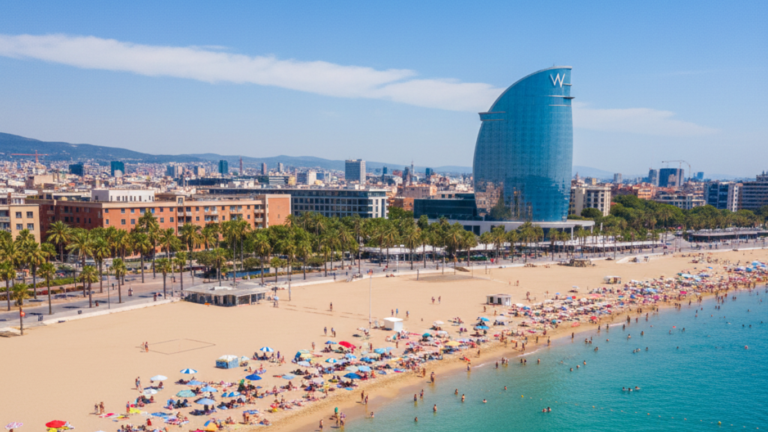
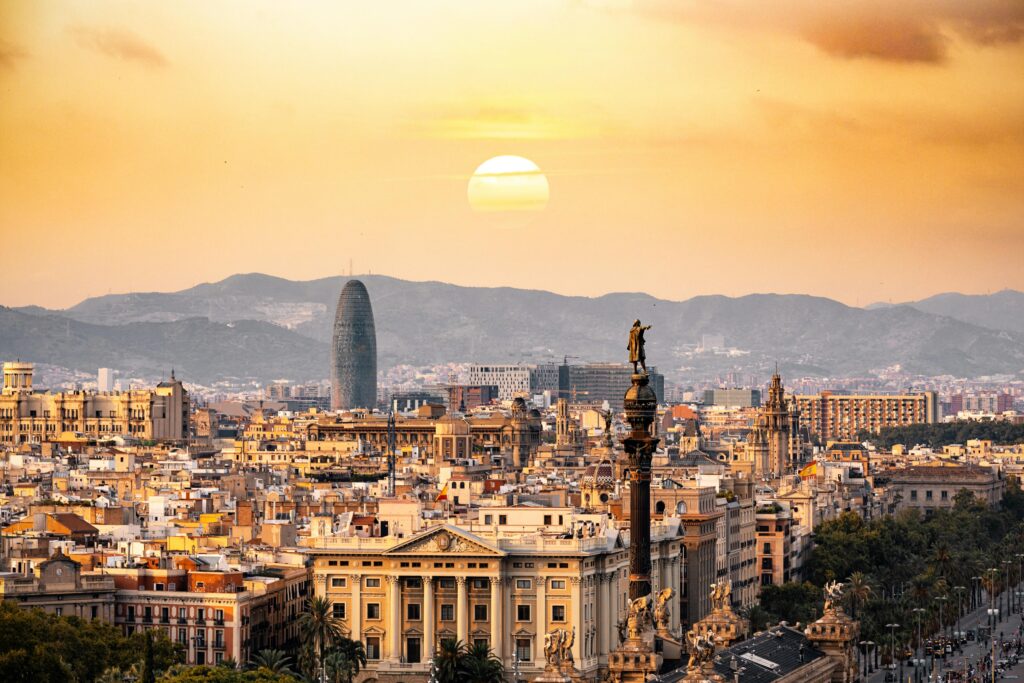
Barcelona captivates 32 million annual visitors with its unique fusion of medieval Gothic Quarter, modernist architectural treasures, Mediterranean beaches, and cutting-edge contemporary culture. Antoni Gaudí’s visionary works define the cityscape: the still-unfinished Sagrada Família basilica (begun 1882, completion planned 2026) draws 4.7 million visitors annually with its nature-inspired columns resembling forest canopy and kaleidoscopic stained glass; Park Güell’s whimsical mosaics and organic forms overlook the city; Casa Batlló and Casa Milà (La Pedrera) showcase residential buildings transformed into sculptural art. The Gothic Quarter’s medieval streets hide Roman ruins, the magnificent cathedral, and Plaza Real’s palm-lined elegance, while Las Ramblas boulevard buzzes with street performers, flower stalls, and tourists (though locals increasingly avoid its tourist-trap restaurants). La Boqueria market overwhelms senses with colorful produce, hanging jamón legs, and seafood counters, while nearby El Raval and El Born neighborhoods offer authentic tapas bars and boutique shopping. Barcelona’s 4.5 kilometers of urban beaches provide city-beach combination rare in major European capitals, with beachfront chiringuitos (casual restaurants) serving paella and seafood. The Picasso Museum, Fundació Joan Miró, and MACBA contemporary art museum satisfy art enthusiasts, while FC Barcelona’s Camp Nou stadium pilgrimage appeals to football fans worldwide. Allocate minimum 3-4 days for surface coverage, 5-7 days for proper exploration including day trips to Montserrat’s mountain monastery or Costa Brava’s charming fishing villages like Cadaqués.
2. Madrid: Royal Capital and Cultural Powerhouse
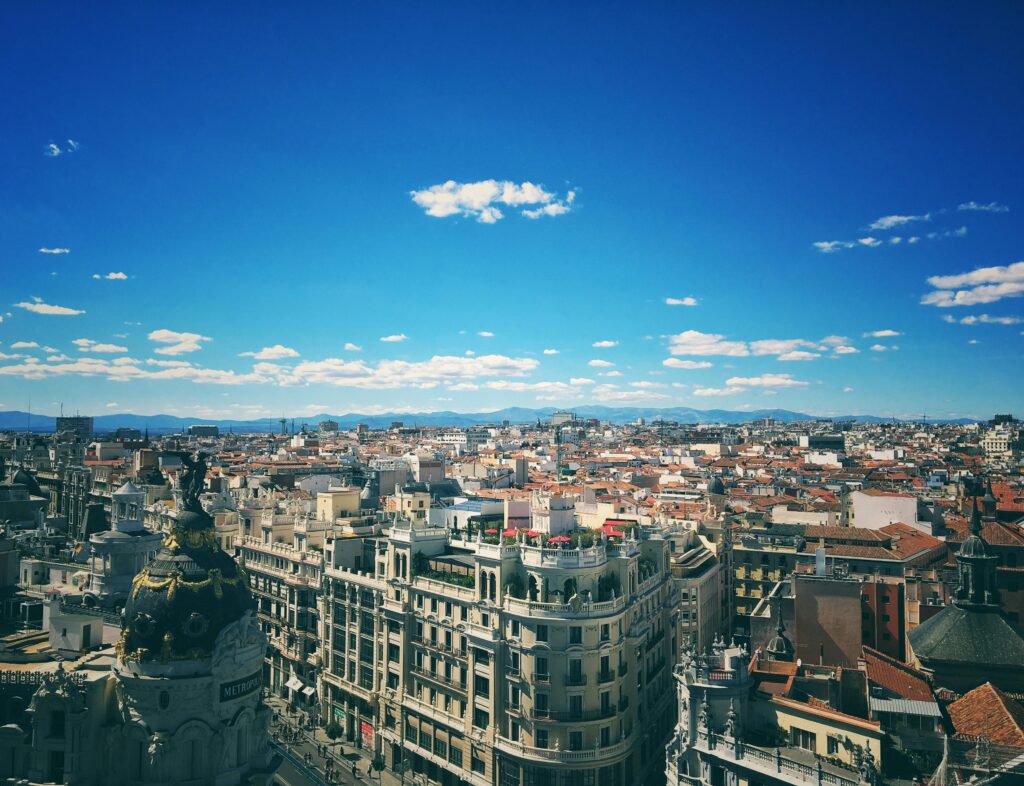
Madrid, Spain’s geographic and political heart, offers unmatched artistic treasures, regal architecture, and vibrant urban energy often overlooked by visitors favoring coastal destinations. The “Golden Triangle of Art” comprises three world-class museums within walking distance: Museo del Prado houses Europe’s finest collection of Spanish masters including Velázquez’s Las Meninas, Goya’s dark paintings, and El Bosco’s surreal works; Reina Sofía National Museum displays Picasso’s Guernica alongside 20th-century Spanish art; Thyssen-Bornemisza Museum fills historical gaps with impressionists, expressionists, and pop art. The Royal Palace (Palacio Real), with 3,418 rooms making it Europe’s largest royal palace, showcases opulent state rooms, weaponry collections, and palace gardens—it remains Western Europe’s largest functioning royal residence though the current king resides elsewhere. Retiro Park’s 125 hectares provide green respite with rowboat lake, Crystal Palace exhibitions, and rose gardens where Madrileños escape urban intensity. The city’s barrios each offer distinct character: upscale Salamanca for designer shopping, bohemian Malasaña for vintage stores and craft beer bars, LGBTQ-friendly Chueca for nightlife, traditional La Latina for Sunday El Rastro flea market and tapas crawls. Madrid’s late-night culture epitomizes Spanish lifestyle—restaurants don’t fill until 10-11 PM, then bars and clubs pulse until 6 AM, particularly Thursday-Saturday. Day trips reach Toledo (medieval city of three cultures), Segovia (Roman aqueduct and fairy-tale Alcázar), and El Escorial (massive royal monastery-palace). Plan 3-4 days minimum, 5-6 for thorough exploration plus day trips.
3. Seville: Andalusian Soul and Flamenco Heart
Seville embodies romantic Andalusian stereotypes—flamenco, tapas, flower-filled patios, and Moorish architecture—while maintaining authentic character beyond tourist clichés. The UNESCO-listed cathedral ranks as the world’s largest Gothic cathedral, housing Christopher Columbus’s tomb and the Giralda tower (former minaret) offering panoramic views after climbing 34 ramps (no steps, designed for horses). Adjacent Real Alcázar palace complex showcases Mudéjar architecture’s Islamic-Christian fusion with intricate tilework, tranquil courtyards, and lush gardens—Game of Thrones filmed here representing Dorne’s Water Gardens. The medieval Jewish Quarter (Barrio Santa Cruz) charms with narrow whitewashed lanes, hidden plazas, and orange trees perfuming spring air. Plaza de España’s massive semicircular building and ceramic-tiled provincial alcoves create iconic backdrop for Star Wars and Lawrence of Arabia filming. Across the Guadalquivir River, the Triana neighborhood maintains working-class authenticity as former gypsy quarter and ceramics center, with legendary flamenco venues and bustling market. Seville’s tapas culture thrives in establishments like El Rinconcillo (founded 1670) where servers chalk orders on wooden bar tops. Spring’s Feria de Abril week-long festival transforms the city into celebration with private casetas (tents), traditional dress, horse parades, and all-night dancing. Holy Week (Semana Santa) processions present dramatic religious spectacle with ornate floats, hooded penitents, and emotional saetas (flamenco prayers). Summer heat (40°C+) drives locals into siesta, making spring (March-May) and fall (September-November) optimal. Allow 2-3 days for Seville proper, 4-5 including day trips to Córdoba, Jerez, or white villages.
4. Granada: Alhambra’s Magic and Mountain Views
Granada delivers Spain’s most enchanting monument—the Alhambra palace-fortress complex—against dramatic Sierra Nevada mountain backdrop creating unforgettable visual and cultural impact. The Alhambra attracts 2.7 million annual visitors to its Nasrid Palaces’ geometric tilework and stucco decoration representing Islamic art’s pinnacle, Generalife gardens’ fountains and cypress trees, and Alcazaba fortress commanding valley views. The palace complex’s mathematical precision, light manipulation, and water features create contemplative atmosphere transporting visitors to medieval Al-Andalus when Granada served as the last Moorish kingdom’s capital (until 1492). Advance booking (2-3 months for summer) proves essential as daily visitor numbers are strictly limited to preserve the site. The Albaicín neighborhood’s steep Moorish streets preserve medieval character with carmen houses (villas with private gardens), tea houses serving mint tea and pastries, and Mirador de San Nicolás offering iconic Alhambra sunset views with Sierra Nevada backdrop. The Sacromonte gypsy caves host authentic flamenco performances in intimate settings far removed from touristy tablaos—spontaneous, passionate shows in ancestral homes. Granada’s tapas culture differs from elsewhere in Spain: order any drink and receive a free tapa, with portions increasing with subsequent rounds—making Granada Spain’s best bargain dining. The cathedral and Royal Chapel house Catholic Monarchs Ferdinand and Isabella’s tombs, connecting Spanish unification and New World exploration history. Arab baths (hammams) offer traditional bathing experiences with massage and mint tea. Sierra Nevada, 30 minutes away, provides Europe’s southernmost skiing (December-April) and summer hiking. Dedicate 2-3 days minimum for proper Alhambra appreciation and neighborhood exploration.
5. Valencia: Paella’s Birthplace and Futuristic Vision
Valencia, Spain’s third-largest city, successfully blends traditional Mediterranean character with cutting-edge contemporary architecture, offering beaches, culture, and cuisine without Barcelona’s overwhelming crowds. The City of Arts and Sciences complex, designed by Valencia-born architect Santiago Calatrava, showcases futuristic white structures housing an opera house, science museum, planetarium, and Europe’s largest aquarium (L’Oceanogràfic)—the entire complex creates jaw-dropping photography particularly when reflected in surrounding pools at twilight. The historic center’s Plaza de la Virgen and Cathedral (claiming to house the Holy Grail) maintain traditional Spanish atmosphere, while Central Market’s art nouveau building houses over 1,000 stalls selling fresh produce, seafood, and jamón. The Turia Gardens, created in a drained riverbed after devastating 1957 floods, provide 9 kilometers of linear park with playgrounds, sports facilities, and cycling paths connecting city center to beaches—a brilliant urban planning success story. Valencia’s beaches (Las Arenas, Malvarrosa) offer wide sand and promenade restaurants just 15 minutes from downtown via metro, perfect for combining cultural sightseeing with beach relaxation. As paella’s birthplace, Valencia takes this rice dish seriously—authentic Valencian paella contains chicken, rabbit, and green beans (never seafood), cooked over orange wood fire, and served mid-afternoon as proper Spanish tradition dictates. The Fallas festival (March 12-19) culminates in burning massive satirical sculptures while the city erupts in fireworks, parties, and street celebrations—one of Spain’s most spectacular festivals. The Albufera natural park’s wetlands and traditional barraca houses provide rural escape 10 kilometers south. Allocate 2-3 days for comprehensive Valencia experience, potentially more during Fallas.
6. San Sebastian: Culinary Capital and Belle Époque Elegance
San Sebastian (Donostia in Basque) combines stunning natural setting on horseshoe-shaped La Concha Bay with the world’s highest concentration of Michelin stars per capita, creating paradise for food enthusiasts and beach lovers alike. The city’s pintxos culture transforms bar-hopping into gastronomic adventure: bite-sized culinary creations ranging from simple jamón on bread to elaborate miniature dishes rivaling fine-dining presentations, traditionally enjoyed standing at bars while socializing—the Parte Vieja (Old Town) contains over 100 pintxos bars in compact area. Three Michelin three-star restaurants (Arzak, Akelarre, Martín Berasategui) anchor a dining scene including 16 total Michelin stars and countless exceptional traditional sidrerías (cider houses) and asadores (grill houses) serving massive steaks. La Concha beach’s golden sand and gentle waters create European Riviera atmosphere, while Monte Igueldo and Monte Urgull hills provide hiking and panoramic views. The Belle Époque architecture reflects the city’s history as Spanish royalty’s summer retreat, with elegant buildings, manicured gardens, and the iconic Miramar Palace overlooking the bay. The Kursaal Congress Center’s translucent cube design by Rafael Moñeo adds contemporary contrast. San Sebastian’s location in Basque Country provides easy access to French Basque coast (Biarritz 45 minutes), Bilbao and Guggenheim Museum (90 minutes), and picturesque fishing villages like Getaria and Hondarribia. September’s San Sebastian Film Festival draws international celebrities and cinema enthusiasts. The coastal climate brings frequent rain creating lush green landscapes—summer (June-September) offers best beach weather, though the city charms year-round. Plan 2-3 days minimum for proper pintxos exploration and beach time, 4-5 days including regional day trips.
7. Córdoba: Mezquita’s Wonder and Patios Festival
Córdoba showcases Spain’s Islamic heritage’s architectural pinnacle through the Mezquita-Catedral—a mosque-cathedral hybrid representing 1,300 years of religious and political history in one extraordinary building. The Mezquita’s forest of 856 columns supporting red-and-white horseshoe arches creates mesmerizing visual rhythm evoking date palm groves, while ornate mihrab (prayer niche) displays Byzantine mosaics gifted by Constantinople’s emperor. The Christian cathedral awkwardly inserted into the mosque’s center after 1236 Reconquest creates jarring contrast that Charles V later regretted authorizing, famously stating “You have destroyed something unique to build something commonplace.” The Jewish Quarter’s whitewashed medieval streets, flower-filled patios, and 14th-century synagogue (one of only three surviving in Spain) evoke Córdoba’s golden age as medieval Europe’s largest, most sophisticated city under Moorish rule. The Roman Bridge spanning the Guadalquivir River provides classic Mezquita views, while the Alcázar de los Reyes Cristianos gardens offer peaceful terraced landscapes with fountains and reflecting pools. Córdoba’s signature patios (interior courtyards) overflow with geraniums, jasmine, and traditional tilework—the annual Patios Festival (early May) opens 50+ private homes for public viewing in celebration of this architectural tradition. The city’s compact size allows thorough exploration in 1-2 days, though overnight stay enables experiencing the Mezquita early morning before tour groups arrive—magical atmosphere with soft light filtering through arches. Córdoba’s extreme summer heat (regularly 40°C+) makes spring and fall optimal visiting seasons. The city pairs excellently with Seville (45 minutes by train) and Granada (2.5 hours) for Andalusian triangle itinerary.
8. Bilbao: Industrial Transformation and Guggenheim Effect
Bilbao’s transformation from declining industrial port into cultural destination exemplifies urban regeneration’s power, with Frank Gehry’s titanium-clad Guggenheim Museum serving as catalyst for comprehensive city renewal. The Guggenheim’s sculptural exterior—undulating titanium scales reflecting changing light—creates architectural icon matching Sydney Opera House’s global recognition, while interior galleries showcase rotating contemporary art exhibitions and permanent collections by artists like Rothko, Warhol, and Serra. Jeff Koons’ floral “Puppy” sculpture (37 feet tall, covered in 70,000 flowers) guards the entrance, while Louise Bourgeois’ giant spider “Maman” unsettles viewers. Beyond the Guggenheim, Bilbao’s revitalized waterfront features Calatrava’s Zubizuri bridge, the Euskalduna Conference Center, and riverside walking paths. The Casco Viejo (Old Town) maintains traditional Basque character with narrow streets, pintxos bars rivaling San Sebastian’s quality, and the ornate Teatro Arriaga opera house. The hillside Artxanda Funicular provides panoramic city and estuary views. The Fine Arts Museum houses Spanish masters and Basque artists often overlooked by Guggenheim-focused visitors. Bilbao’s location enables day trips to dramatic Basque coastline (Bermeo’s colorful fishing port, Gaztelugatxe’s island hermitage connected by 241-step stone bridge), Gernika (Guernica) with peace museum commemorating Spanish Civil War bombing, and wine country in Rioja Alavesa (45 minutes). The city’s rainy climate (the Basque region is Spain’s wettest) creates lush landscapes but requires packing layers and rain gear. Bilbao’s industrial authenticity and lack of tourist saturation provide refreshing alternative to southern Spain’s crowds. Allocate 2 days for city proper, 3-4 including regional exploration.
9. Mallorca: Mediterranean Island Paradise
Mallorca, largest of the Balearic Islands, transcends its package-tour reputation to reveal dramatic mountain scenery, pristine coves, charming stone villages, and sophisticated capital city appealing to diverse traveler types beyond beach crowds. The Serra de Tramuntana mountain range, UNESCO-listed for its terraced agricultural landscapes, offers spectacular coastal drives along winding MA-10 highway with viewpoints overlooking cliffs plunging to turquoise waters. The picture-perfect villages of Deià (home to artists and writers including Robert Graves), Valldemossa (Chopin’s winter refuge with its atmospheric monastery), and Sóller (with vintage tram to Port de Sóller) showcase honey-colored stone architecture and mountain backdrops. Palma, the island’s capital, surprises with Gothic cathedral’s dramatic seaside location (La Seu, with Gaudí-designed altar), winding old town streets, contemporary art at Es Baluard Museum, and waterfront promenades lined with palm trees and historic windmills. The island’s beaches range from famous sandy stretches like Playa de Palma (often overcrowded) to hidden calas (coves) accessible by hiking or boat—Cala Mondragó, Cala Varques, and Caló des Moro offer crystalline waters and natural beauty. Cycling enthusiasts flock to Mallorca for excellent road cycling routes through mountains and countryside—professional teams train here due to varied terrain and mild winter climate. The interior’s agricultural heart produces wine, olives, almonds, and traditional ensaimada pastries. Summer (June-September) brings peak tourism and highest prices, while spring and fall offer ideal conditions with blooming almond groves (February-March) creating remarkable scenery. Winter remains mild enough for hiking and cycling, with many Germans establishing seasonal residences. Rent a car for proper island exploration, allowing discovery of secret beaches and mountain villages. Allocate 5-7 days for comprehensive experience balancing beaches, culture, and nature.
Conclusion: Discovering the True Essence of Spain
Spain stands out as one of the most rewarding travel destinations in the world, offering an extraordinary blend of history, culture, landscapes, and lifestyle within a single country. From the modernist masterpieces of Barcelona and the royal grandeur of Madrid to the Moorish wonders of Andalusia, the gastronomic excellence of the Basque Country, and the sun-soaked beaches of the Balearic Islands, Spain delivers a depth and diversity of experiences that few destinations can rival. Each region tells its own story, shaped by centuries of cultural exchange, regional identity, and artistic innovation, making every journey through Spain feel both unique and deeply enriching.
What truly sets Spain apart is its ability to cater to every type of traveler. Cultural explorers can immerse themselves in world-class museums, UNESCO World Heritage Sites, and architectural icons spanning Roman, Islamic, Gothic, and modern eras. Food lovers can enjoy everything from humble tapas bars to Michelin-starred restaurants, discovering regional flavors that reflect local traditions and landscapes. Nature and adventure seekers can hike rugged mountains, explore lush northern coastlines, ski in the Sierra Nevada, or relax on crystal-clear Mediterranean beaches. At the same time, Spain’s vibrant social culture, lively festivals, and welcoming atmosphere make it easy for visitors to connect with both locals and fellow travelers.
Practical advantages further enhance Spain’s appeal. Excellent transportation infrastructure, including high-speed rail and affordable domestic flights, makes moving between regions efficient and cost-effective. Compared to many Western European countries, Spain offers exceptional value for accommodation, dining, and attractions, allowing travelers to enjoy high-quality experiences without exceeding their budget. The country’s diverse climate also enables year-round travel, whether you’re seeking summer beach escapes, springtime cultural city breaks, or winter sunshine in the Canary Islands.
Ultimately, Spain is not just a destination to check off a list—it is a country meant to be experienced slowly and deeply. By thoughtfully selecting destinations that match your travel style, timing your visit according to regional seasons, and balancing iconic cities with rural and coastal escapes, you can create a journey that feels both comprehensive and personal. These ten best destinations in Spain provide a strong foundation for any itinerary, but they are only the beginning of what the country has to offer. No matter how many times you return, Spain continues to surprise, inspire, and captivate, leaving travelers with lasting memories and an enduring desire to explore more.