
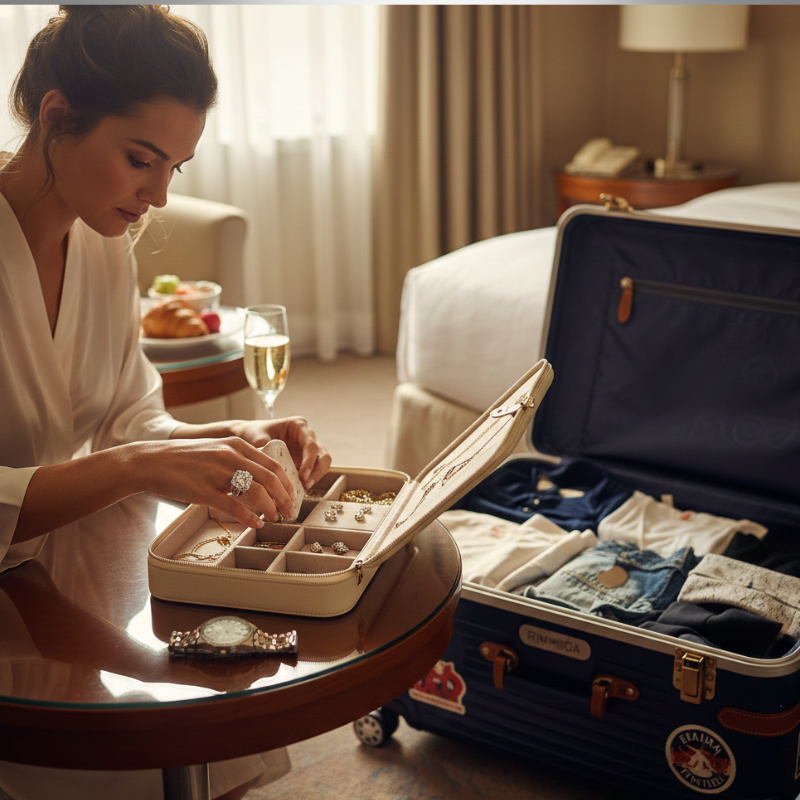
How to Travel With Expensive Jewelry Safely and Stylishly
Imagine standing at airport security, your heart racing as you watch your carry-on bag disappear into the X-ray machine. Inside sits your grandmother’s diamond necklace, your wedding ring, and that luxury watch you saved months to buy. The anxiety is real, and you’re not alone. According to recent travel insurance data, jewelry theft accounts for over 40% of all valuable item losses during trips, with an average claim value exceeding $3,000.
Whether you’re jet-setting to a destination wedding, attending important business meetings abroad, or simply want to look your best on vacation, traveling with expensive jewelry presents a unique challenge. How do you protect pieces worth thousands of dollars while still maintaining your personal style and elegance? The good news is that with proper planning, smart packing strategies, and the right security measures, you can travel confidently with your most precious accessories without sacrificing either safety or sophistication.
This comprehensive guide will walk you through everything you need to know about jewelry travel safety, from choosing the right protective accessories to navigating TSA regulations, avoiding common mistakes, and implementing expert-approved security strategies that let you shine wherever your travels take you.
Table of Contents
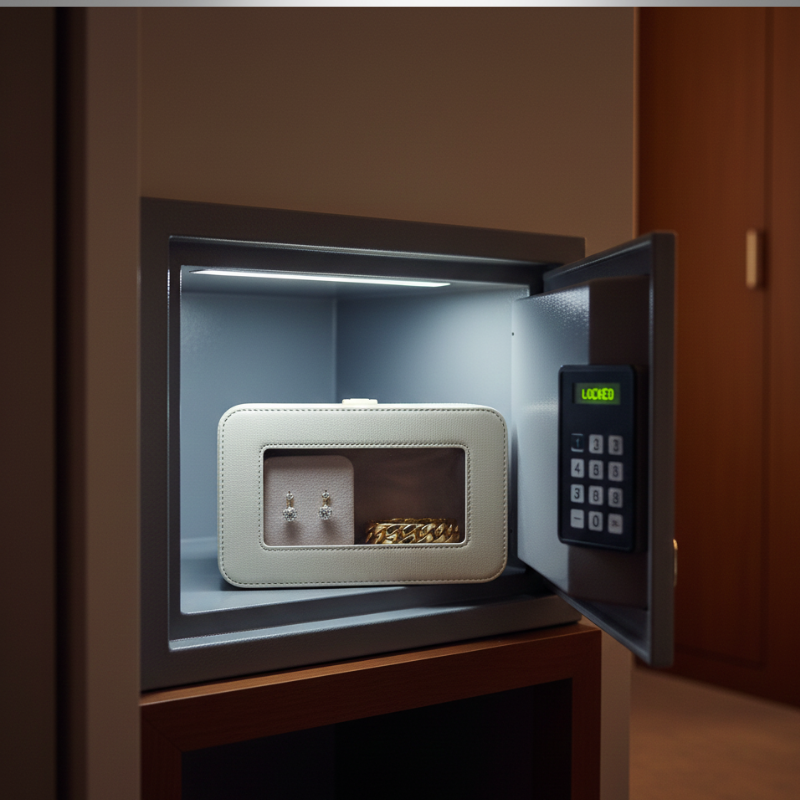
Why Jewelry Travel Safety Matters
The Financial Impact of Lost or Stolen Jewelry
The financial consequences of jewelry loss during travel extend far beyond the item’s monetary value. Standard homeowner’s insurance policies typically cap coverage for jewelry at $1,000 to $2,000, leaving significant gaps in protection when traveling with engagement rings, luxury watches, or designer pieces. Travel insurance policies often require separate riders for high-value items, and many travelers discover coverage limitations only after filing a claim. Beyond immediate replacement costs, there’s the potential loss of appreciation value for investment pieces and vintage items that cannot be replicated at any price.
Emotional and Sentimental Value Beyond Price Tags
For many travelers, the jewelry they carry represents irreplaceable connections to loved ones and meaningful life moments. An engagement ring symbolizes commitment and love, a family heirloom carries generations of history, and a graduation gift represents personal achievement. These emotional connections make jewelry loss particularly devastating, creating stress and heartbreak that overshadows entire trips. The anxiety of potentially losing such meaningful pieces can prevent travelers from fully enjoying their experiences, constantly checking pockets and hotel safes instead of relaxing.
Rising Theft Rates at Tourist Destinations
Tourist hotspots worldwide have seen a concerning increase in jewelry-targeted theft, with organized crime rings specifically targeting travelers in hotels, beaches, and popular attractions. Thieves recognize that tourists often carry their most valuable items while on vacation and may be distracted or less vigilant in unfamiliar surroundings. Hotel room burglaries, pickpocketing at crowded attractions, and sophisticated distraction schemes have become increasingly common, with losses ranging from opportunistic grab-and-run incidents to carefully planned heists targeting high-value items.
Insurance Complications and Coverage Gaps
Many travelers assume their existing insurance provides adequate protection during trips, only to discover critical exclusions when filing claims. Standard travel insurance rarely covers full jewelry value without specific endorsements, and coverage often excludes certain circumstances like mysterious disappearance or unattended items. Proving ownership and value requires documentation many travelers lack, including recent appraisals, photographs, and purchase receipts. Understanding these coverage gaps before departure ensures appropriate protection and realistic expectations about potential reimbursement.
Peace of Mind Enhances Travel Experiences
Traveling with confidence in your jewelry security transforms your entire trip experience. Instead of constantly worrying about valuable items, you can fully immerse yourself in new cultures, activities, and connections. Proper security measures eliminate the mental burden of vigilance, allowing you to wear your favorite pieces for special dinners, events, or photo opportunities without fear. This peace of mind is invaluable, turning potentially stressful situations into enjoyable experiences where you can focus on creating memories rather than protecting possessions.
Professional and Social Expectations While Traveling
Business travelers often face professional expectations that require wearing quality jewelry and accessories as symbols of success and attention to detail. Important meetings, conferences, and networking events may demand a polished appearance that includes signature pieces like watches, cufflinks, or statement jewelry. Similarly, destination weddings, milestone celebrations, and upscale vacation experiences create social contexts where appropriate jewelry enhances confidence and presentation. Balancing these expectations with security concerns requires strategic planning and smart jewelry selection that meets both style requirements and practical safety considerations.
How to Choose the Right Jewelry Travel Accessories
Selecting Anti-Theft Jewelry Cases and Organizers
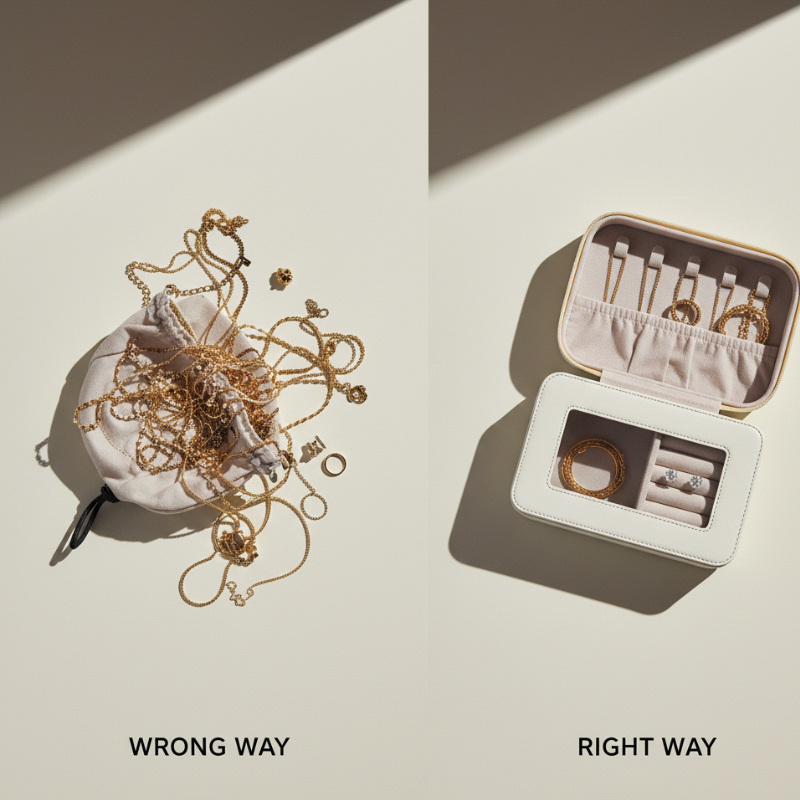
The foundation of jewelry travel safety begins with choosing appropriate protective cases designed specifically for valuable items. Look for cases featuring slash-resistant materials, locking mechanisms, and RFIDA-blocking technology to prevent electronic pickpocketing of smart jewelry or tracking devices. Quality travel jewelry organizers should include multiple compartments with soft lining to prevent scratching, separate sections for different jewelry types, and secure closures that won’t accidentally open during transit. Consider size carefully—cases should be compact enough for carry-on luggage while providing adequate protection, typically measuring between 6 to 10 inches for optimal portability.
Portable Safe Options for Hotel Security
Portable travel safes offer an additional security layer beyond hotel room safes, which experienced thieves can often compromise. High-quality portable safes feature steel cable attachments that secure to fixed furniture, combination or biometric locks that only you can access, and water-resistant construction protecting against spills or environmental damage. Choose safes with sufficient interior space for multiple pieces while remaining lightweight enough for easy packing—most effective models weigh between 1 to 3 pounds empty. Some advanced options include alarm systems that activate if tampered with, providing audible deterrents that draw attention to theft attempts.
Jewelry Rolls Versus Hard Cases
The choice between jewelry rolls and hard cases depends on your specific travel needs, jewelry types, and destination activities. Jewelry rolls offer flexibility and space efficiency, easily conforming to available luggage space while providing individual pouches that prevent tangling and scratching. They work best for rings, earrings, and delicate chains but offer less physical protection against crushing forces. Hard cases provide superior impact protection for watches, chunky bracelets, and pieces with protruding gemstones, maintaining shape integrity regardless of luggage compression. Many experienced travelers use combination approaches, employing rolls for smaller pieces and hard cases for valuable or fragile items requiring maximum protection.
TSA-Approved Locks and Security Features
Understanding TSA regulations ensures your jewelry security measures don’t create unnecessary complications during airport screening. TSA-approved locks allow security personnel to inspect luggage without breaking your locks, using master keys available only to authorized agents. For jewelry cases, consider combination locks rather than key locks to eliminate the risk of losing keys during travel. Transparent or semi-transparent cases can expedite security screening by allowing visual inspection without opening, though this reduces theft deterrence. Balance security with convenience by choosing locks that provide adequate protection while facilitating smooth passage through checkpoints.
Discreet Versus Visible Security Solutions
The psychology of jewelry security involves deciding whether to advertise protection or maintain low profiles that don’t attract attention. Visible security measures like obvious locks and branded luxury cases may deter opportunistic thieves but also signal valuable contents worth targeting by determined criminals. Discreet solutions include cases resembling ordinary toiletry bags, clothing pouches, or electronics organizers that blend into typical luggage without drawing interest. Consider your destination’s crime rates and theft sophistication when choosing—high-risk areas benefit from hidden security, while low-risk destinations may accept more visible protection without increasing target risk.
Budget-Friendly Alternatives for Occasional Travelers
Travelers who rarely bring expensive jewelry don’t necessarily need premium security solutions costing hundreds of dollars. Effective budget alternatives include repurposing small hard-shell electronics cases with added padding, using multiple layers of protection like placing jewelry pouches inside locked toiletry bags, and employing creative concealment in everyday items like socks or prescription bottles. DIY solutions using anti-tarnish cloth, bubble wrap, and small zippered pouches provide adequate protection for occasional trips when combined with vigilant supervision and smart packing strategies. Remember that consistent attention and awareness often matter more than expensive equipment for travelers making infrequent trips with moderate-value items.
The Best Jewelry Travel Strategies and Security Methods
Always Pack Jewelry in Carry-On Luggage
The single most important jewelry travel rule is never placing valuable items in checked baggage under any circumstances. Checked luggage faces significantly higher theft rates, rough handling that can damage delicate pieces, and potential loss if bags are misrouted or delayed. Airlines typically limit liability for checked baggage contents to minimal amounts, rarely covering even a fraction of jewelry value. Carry-on placement keeps items under your direct supervision throughout the journey, allows immediate access for security screening, and eliminates risks associated with baggage handling. If your jewelry collection exceeds carry-on capacity, reconsider what you truly need for the trip rather than compromising security by checking items.
Wearing Your Most Valuable Pieces Through Security
Strategic wearing represents an effective security method that eliminates packing concerns for your highest-value items. Wedding rings, engagement rings, and daily-wear pieces can remain on your person throughout travel, passing through security screening without removal in most cases. However, understand that metal detectors may trigger for larger pieces, requiring additional screening but never requiring you to remove items from your person in public areas. TSA agents may request visual inspection of jewelry or ask you to step aside for private screening if pieces trigger alarms. This approach works best for items you’re comfortable wearing continuously and that won’t cause discomfort during long flights or extended travel days.
Documentation and Photography Before Departure
Creating comprehensive jewelry documentation before every trip provides crucial protection if loss or theft occurs. Photograph each piece from multiple angles against neutral backgrounds, capturing distinguishing features, hallmarks, serial numbers, and any unique characteristics that prove ownership. Store these images in cloud storage accessible from any location, along with digital copies of appraisals, purchase receipts, and insurance policies. Create a detailed inventory listing each item’s description, approximate value, purchase date, and any identifying information. This documentation expedites insurance claims, helps law enforcement recover stolen items, and provides customs officials with proof of ownership when crossing international borders.
Using Hotel Safes Effectively and Strategically
Hotel room safes offer convenient security but require proper use to maximize protection against theft and staff access. Always change the default code immediately upon check-in, choosing combinations unrelated to obvious numbers like birthdays or room numbers. Test the safe’s functionality before storing items, ensuring it locks properly and the code works reliably. Place jewelry in sealed bags or containers within the safe, adding an extra security layer that reveals tampering. Never leave the safe open or share combinations with anyone, including travel companions unless absolutely necessary. Upon checkout, double-check the safe’s emptiness, as forgotten items rarely reach lost-and-found departments intact.
Travel Insurance Riders for High-Value Items
Standard travel insurance provides inadequate coverage for expensive jewelry, necessitating specific riders or endorsements that address true item values. Schedule individual items exceeding $1,000 with detailed descriptions and current appraisals, ensuring coverage reflects replacement cost rather than depreciated value. Understand policy exclusions—many exclude mysterious disappearance, unattended items, or theft from unlocked locations. Compare specialized jewelry insurance versus travel policy riders, as dedicated jewelry insurers often provide broader coverage including worldwide protection, no deductibles, and coverage for all loss types. Purchase insurance well before departure, as most policies require activation periods before coverage begins and won’t cover items purchased immediately before travel.
International Customs Declaration Procedures
Traveling internationally with expensive jewelry requires understanding customs regulations that prevent import duties upon return to your home country. Before departing, register items with customs using official forms that document jewelry leaving the country with you, establishing prior ownership that prevents taxation when returning. Carry original receipts, appraisals, or certificates of authenticity proving purchase in your home country. Some countries require declaration of jewelry exceeding certain values when entering, even for temporary possession—research specific requirements for each destination to avoid confiscation or unexpected fees. Keep all documentation accessible during travel, as customs inspections can occur at any border crossing or checkpoint.
Common Jewelry Travel Mistakes to Avoid
Packing Jewelry in Checked Baggage
The most critical and unfortunately common mistake travelers make is placing jewelry in checked luggage despite universal expert warnings against this practice. The temptation arises from carry-on space limitations, desire to avoid security screening hassles, or simple oversight during rushed packing. However, checked baggage theft occurs regularly at airports worldwide, with organized theft rings specifically targeting luxury brands and valuable item indicators. Additionally, baggage handlers’ rough treatment can damage delicate settings, break chains, or dislodge stones from mountings. Airlines’ limited liability for checked baggage contents means you’ll receive minimal compensation for losses, typically $50 to $100 maximum regardless of actual value, making this mistake potentially devastating financially and emotionally.
Failing to Document Items Before Travel
Countless travelers discover too late that insurance companies and law enforcement require extensive documentation to process claims or recover stolen jewelry. Taking photographs feels unnecessary when items are safely in your possession, creating procrastination that becomes regret after loss. Without documentation, proving ownership becomes nearly impossible, especially for inherited pieces lacking purchase receipts or unique items without serial numbers. Many travelers lack recent appraisals reflecting current market values, resulting in settlement offers far below replacement costs. The solution requires spending 30 minutes before each trip photographing pieces, updating digital inventories, and verifying that documentation is accessible from multiple devices and locations.
Inadequate or Missing Travel Insurance Coverage
Assuming existing homeowner’s or renter’s insurance adequately protects jewelry during travel ranks among the most expensive mistakes travelers make. Most standard policies exclude or severely limit coverage for items outside the home, particularly during international travel or for losses occurring in rental properties, hotels, or public spaces. Travelers often discover these limitations only when filing claims, facing denial or minimal payouts that don’t cover replacement costs. Additionally, many policies require specific jewelry scheduling for items exceeding modest value thresholds, typically $1,000 to $2,000 per item. Correcting this mistake requires reviewing current coverage well before travel, purchasing appropriate riders or separate jewelry insurance, and understanding precisely what circumstances trigger coverage.
Wearing All Expensive Items Simultaneously
The desire to look fashionable and showcase favorite pieces simultaneously creates unnecessary risk by making yourself an obvious target for thieves who specifically watch for travelers displaying wealth. Wearing engagement rings, luxury watches, designer earrings, and statement necklaces together broadcasts valuable inventory to potential criminals while increasing loss potential if theft occurs. This approach also creates practical problems—removing multiple pieces for certain activities becomes cumbersome, and tracking several items simultaneously increases chances of misplacement. Better strategies involve rotating pieces throughout trips, choosing one or two statement items per occasion, and leaving some items secured while wearing others, distributing risk and reducing target visibility.
Leaving Jewelry Visible in Hotel Rooms
Hotel room theft often results from opportunity created by guests leaving jewelry on bathroom counters, nightstands, or dressers where housekeeping staff, maintenance workers, or intruders can easily spot and access items. Even reputable hotels employ numerous staff members with room access, and background checks don’t eliminate all risk. Jewelry left visible during brief absences for breakfast, swimming, or exploring makes theft quick and convenient, with thieves knowing exactly where to look and how much time they have. Many travelers underestimate how many people enter rooms during stays—housekeeping, turndown service, maintenance, management—each representing potential security risks. Always use room safes or carry jewelry with you, never assuming brief absences or “Do Not Disturb” signs provide adequate protection.
Ignoring Destination-Specific Security Risks
Different destinations present varying theft risks that require adjusted security strategies many travelers fail to research or implement. Beach destinations feature high rates of theft from unattended belongings while swimming, crowded tourist attractions enable sophisticated pickpocketing rings, and certain cities experience elevated hotel room burglary rates. Some locations specifically target tourists at restaurants through distraction schemes where accomplices create commotions while partners steal visible jewelry or bags. Cultural differences affect risk levels—some countries have exceptional safety records while others experience rampant opportunistic crime. Researching destination-specific risks through travel advisories, tourism boards, and traveler forums helps implement appropriate precautions rather than applying one-size-fits-all security approaches that may prove inadequate for high-risk locations.
Frequently Asked Questions
Can I wear my engagement ring through airport security?
Yes, you can absolutely wear your engagement ring, wedding band, and most other jewelry through airport security without removal. TSA regulations don’t require removing jewelry for screening, though large metal pieces may trigger detectors requiring additional inspection. If an alarm sounds, security personnel will use hand wands to locate the metal source and may ask you to display the jewelry causing the alert. You will never be required to remove jewelry in public screening areas—if further inspection is necessary, TSA offers private screening rooms. Body scanners used at many airports detect items on your person, and agents may ask about jewelry seen in scans, but this typically involves simple visual confirmation. Wearing valuable rings provides excellent security by keeping them under constant supervision and eliminates packing concerns.
Should I declare jewelry at customs when traveling internationally?
Customs declaration requirements depend on jewelry value, your citizenship, and destination country regulations. U.S. citizens don’t need to declare personal jewelry leaving the country, but should consider registering high-value items with CBP using Form 4457 before departure, establishing prior ownership that prevents import duties upon return. When entering foreign countries, most require declaration of goods exceeding specific value thresholds, often $10,000 or equivalent, though personal jewelry for temporary use typically receives exemptions. Research specific destination requirements, as some countries scrutinize jewelry more closely than others. Always carry documentation proving purchase in your home country to avoid taxation on return. When returning home, U.S. customs rarely questions wedding rings and personal jewelry clearly worn regularly, but may inquire about new purchases made abroad or items appearing commercial in quantity.
What does travel insurance actually cover for jewelry?
Standard travel insurance provides minimal jewelry coverage, typically $200 to $500 per item and $1,000 to $2,000 total, with numerous exclusions limiting protection. Most policies exclude mysterious disappearance (lost without evidence of theft), damage from wear and tear, items left unattended, and theft from unlocked locations. Coverage usually applies only to documented forced entry or bodily robbery, requiring police reports and evidence supporting claims. To obtain adequate protection, purchase scheduled personal property endorsements that list specific items with agreed values, typically requiring recent appraisals. Some insurers offer specialized jewelry insurance providing worldwide coverage, no deductibles, broader loss scenarios including mysterious disappearance, and replacement cost rather than actual cash value. Review policy language carefully before purchase, as “jewelry coverage” varies dramatically between providers and policy types.
Are hotel safes really secure enough for expensive jewelry?
Hotel room safes provide reasonable security against opportunistic theft but aren’t impenetrable to determined criminals or staff with override access. Most in-room safes use electronic locks with manufacturer default override codes that hotel management and sometimes maintenance staff know, creating insider theft risks. Additionally, safes can be removed from mounting brackets or opened using exploits specific to certain models. Despite these limitations, room safes remain far superior to leaving jewelry exposed on counters or in luggage. Maximize safe security by changing default codes immediately, testing functionality before storing items, placing jewelry in sealed containers within safes revealing tampering, and using portable safes with independent locks for highest-value pieces. For extremely valuable items, consider using hotel front desk safe deposit boxes requiring dual access and providing better physical security than in-room options.
How do I clean jewelry while traveling without proper equipment?
Maintaining jewelry cleanliness during travel requires simple techniques using readily available materials rather than specialized equipment left at home. For gold and platinum pieces, create gentle cleaning solutions using lukewarm water with mild hand soap or dish detergent, soaking items briefly then brushing with soft toothbrushes reserved for jewelry cleaning. Rinse thoroughly under running water while covering drain openings, then dry with lint-free cloths or soft towels. Silver jewelry benefits from carrying small polishing cloths treating tarnish without liquids or equipment. Avoid harsh chemicals, toothpaste (too abrasive), or hotel hand soaps containing moisturizers that leave residue. For diamond and hard gemstone pieces, gentle brushing removes accumulated oils and debris, restoring sparkle without professional cleaning. Pearls and soft gemstones require only gentle wiping with damp cloths—never submerge or use chemicals. Carry dedicated small cleaning cloths and compact soft brushes specifically for travel jewelry maintenance.
What’s the best way to organize multiple jewelry pieces in limited luggage space?
Efficient jewelry organization for travel requires strategic packing maximizing protection while minimizing space consumption. Use jewelry rolls with individual compartments preventing tangling and scratching, rolling tightly to compress volume while maintaining separation between pieces. Small zippered bags organize by category—rings together, earrings paired, necklaces individually—preventing damage and simplifying location. Repurpose pill organizers for earrings and small rings, providing compact compartmentalized storage. String necklaces through straws cut to length, preventing tangles better than traditional methods and using minimal space. Place chunky or rigid pieces like bangles and watches in sunglasses cases or small electronics organizers offering hard-shell protection. Layer jewelry between clothing in carry-ons, using soft fabrics as additional padding and concealment. Photograph your organization system before packing, creating visual references helping track pieces and verify nothing is forgotten when repacking throughout trips.
Should I bring original appraisals when traveling with expensive jewelry?
Carrying original appraisals creates risks of loss or damage to irreplaceable documents, making digital copies the preferred solution for travel. Before departure, scan or photograph all appraisals, certificates of authenticity, and purchase receipts, storing copies in multiple cloud locations accessible from any device worldwide. Email copies to yourself, save in secure cloud storage like Google Drive or Dropbox, and keep copies on your phone—redundancy ensures access even if one method fails. Original documents should remain securely stored at home in fireproof safes or safety deposit boxes, protecting against both home and travel losses. For customs purposes or insurance claims during travel, digital copies provide sufficient documentation—officials rarely require original paper versions when quality digital images show all relevant details. Consider creating simplified inventory sheets listing key information for quick reference, supplementing detailed digital records accessed when needed for claims or customs declarations.
How much jewelry is too much for travel?
Determining appropriate jewelry quantities for travel involves balancing personal style preferences against practical security and insurance considerations. A reasonable guideline suggests limiting yourself to pieces you’ll actually wear plus one backup option per category, typically totaling 5 to 7 items maximum. This might include your wedding and engagement rings, one pair of earrings, one necklace, one bracelet, one watch, and perhaps statement piece alternatives. Bringing entire collections creates unnecessary risk, increases loss potential, complicates tracking and security, and rarely serves practical purposes since most outfits require only a few complementary pieces. Destination and trip purpose should guide decisions—beach vacations need minimal jewelry while business trips or special events may justify additional pieces. If you find yourself packing jewelry “just in case” or “maybe I’ll wear it,” leave those items home. Total jewelry value should remain within insurance coverage limits, typically suggesting $10,000 to $20,000 maximum for most travelers, with higher amounts requiring special arrangements and increased security measures.
Traveling with expensive jewelry requires careful planning, appropriate security measures, and realistic assessment of risks versus rewards. By implementing the strategies outlined in this guide—from choosing quality protective accessories and understanding insurance requirements to avoiding common mistakes and following expert security protocols—you can confidently bring your most cherished pieces on trips without compromising safety or style.
Remember that no security system is perfect, so always balance the emotional and financial value of jewelry against potential loss risks. Sometimes leaving extremely valuable or irreplaceable pieces safely at home proves the wisest choice, allowing you to fully enjoy travels without anxiety. For items you do bring, combine multiple security layers, maintain constant awareness, and trust your instincts about situations or locations that feel unsafe.
Conclusion
Traveling with expensive jewelry requires a thoughtful balance between security and personal style. Throughout this guide, we explored the key principles that allow travelers to protect their most valuable pieces without compromising elegance. We examined why jewelry safety matters, the risks associated with airports, hotels, and unfamiliar destinations, and the emotional and financial impact of losing irreplaceable items. We also reviewed how to choose the right travel accessories, from structured organizers to anti-theft pouches, and outlined the most effective strategies for packing, transporting, and storing jewelry during a trip. Finally, we highlighted the most common mistakes travelers make and how to avoid them.
These recommendations are not theoretical. They reflect real experiences shared by frequent travelers and supported by industry data. Surveys show that a significant percentage of jewelry losses occur during travel, often due to simple oversights such as packing items in checked luggage or leaving them unsecured in hotel rooms. Many customers who adopted proper storage solutions report a noticeable improvement in peace of mind and organization. Their feedback consistently shows that the right tools and habits can transform the travel experience, making it safer and more enjoyable.
If you want to apply these strategies effectively, the next step is to equip yourself with high-quality travel accessories designed specifically for jewelry protection. Investing in a well‑made travel jewelry case or organizer allows you to travel with confidence, knowing your pieces are secure, accessible, and neatly arranged. This is especially important for those who travel frequently or carry items of high sentimental or financial value.






One Comment
Comments are closed.