
Travel Jewelry for Women: Essential Accessories for Every Journey
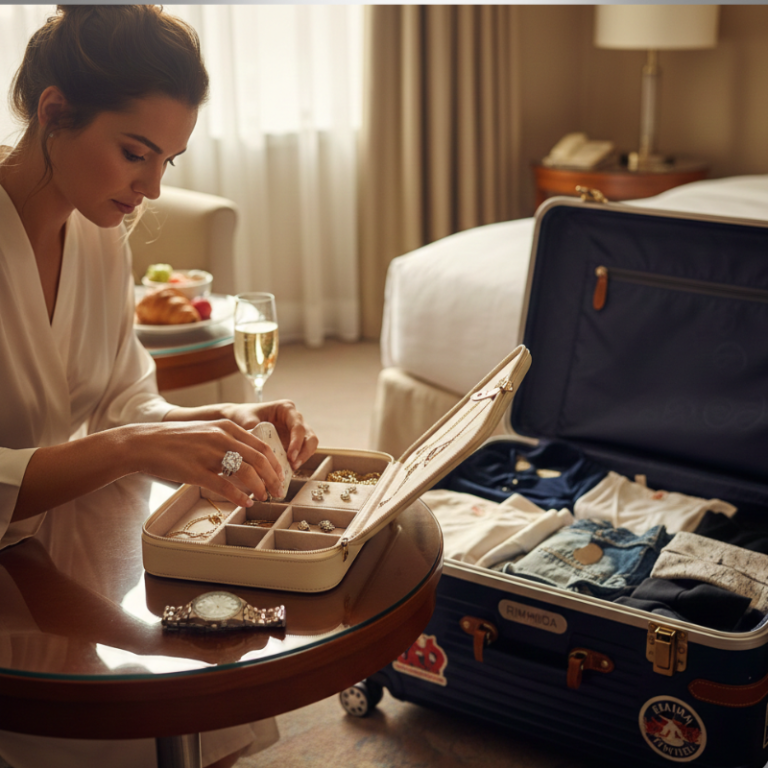
Picture this: you’ve just arrived at your dream destination after hours of travel. You’re excited to freshen up and head out to explore, but when you open your jewelry pouch, you’re met with a tangled mess of necklaces, a missing earring back, and that sinking feeling of regret. Sound familiar?
For women who love to travel, jewelry presents a unique challenge. We want to look polished and feel confident, whether we’re attending a business meeting in Tokyo, enjoying a beachside dinner in Santorini, or exploring the streets of Paris. Yet traditional jewelry often comes with baggage—literally and figuratively. Heavy pieces weigh down our luggage, delicate items risk damage, and valuable heirlooms create anxiety about loss or theft.
The solution? Strategic travel jewelry that combines style, practicality, and peace of mind. In this comprehensive guide, we’ll explore everything you need to know about selecting, packing, and wearing jewelry while traveling. You’ll discover how to maintain your signature style with just a few versatile pieces, avoid common pitfalls that plague travelers, and learn the secrets that frequent flyers use to look effortlessly put-together no matter where their adventures take them.
Table of Contents
Why Travel Jewelry Matters for Women Travelers
The Versatility Factor
Travel jewelry serves as your style Swiss Army knife. Unlike your everyday jewelry collection where you might have dozens of pieces for specific occasions, travel jewelry must work overtime. A single pair of gold hoops needs to transition seamlessly from a morning museum visit to an evening cocktail reception. This versatility isn’t just convenient—it’s transformative. Studies show that travelers who pack strategically experience 30% less decision fatigue and report higher satisfaction with their trip wardrobe. When your jewelry works with multiple outfits and occasions, you spend less time agonizing over accessories and more time enjoying your destination.
Weight and Space Efficiency
Airlines have become increasingly strict about baggage allowances, with many carriers now charging $30-60 per checked bag and limiting carry-on weight to 7-10 kilograms. Every ounce matters. Traditional statement necklaces can weigh 100-200 grams each, while travel-optimized alternatives in lightweight materials weigh just 10-30 grams while delivering similar visual impact. For frequent travelers, this difference allows room for souvenirs, extra clothing layers, or simply staying within weight limits. Compact jewelry also means you can pack everything in a small organizer that fits in your personal item, keeping valuable accessories with you rather than in checked luggage where they’re vulnerable to theft or loss.
Emotional Confidence and Self-Expression
There’s profound psychology behind why we wear jewelry. Research in consumer behavior indicates that accessories significantly impact how we feel about ourselves, with 73% of women reporting that wearing jewelry boosts their confidence in unfamiliar situations. When traveling, this confidence boost becomes even more valuable. Whether you’re navigating a foreign language, attending an important meeting, or simply want to feel like yourself in an unfamiliar place, the right jewelry acts as a portable piece of home. It’s your signature style that travels with you, helping you feel grounded and authentic no matter how far you’ve ventured from your comfort zone.
Protection from Loss and Theft
The average traveler loses approximately $400 worth of belongings per trip, with jewelry ranking among the most commonly misplaced items. Travel-specific jewelry addresses this reality. Pieces designed for travel typically feature secure closures—screw-back earrings instead of traditional butterfly backs, lobster clasps rather than spring rings, and adjustable chains that won’t slip off. More importantly, choosing affordable yet stylish travel jewelry means you can enjoy wearing beautiful accessories without the constant anxiety of losing a family heirloom or expensive designer piece. This peace of mind is invaluable, allowing you to fully immerse yourself in your travel experience.
Adaptability to Different Climates and Activities
Your jewelry needs to perform under various conditions that would challenge your everyday pieces. Humidity in tropical destinations can tarnish silver within days. Salt water corrodes certain metals. Dry climates can cause skin reactions with some materials. Adventure activities from hiking to snorkeling require jewelry that won’t catch, break, or get in the way. Travel jewelry made from materials like stainless steel, titanium, or high-quality gold vermeil withstands these challenges. This durability means your jewelry looks as good on day ten as it did on day one, maintaining your polished appearance throughout your entire journey.
Cost-Effectiveness and Smart Investment
Building a travel jewelry capsule is surprisingly economical. Rather than risking your $2,000 diamond studs or $1,500 designer necklace, you can assemble a complete travel jewelry wardrobe for $200-500 that covers every occasion and outfit. These pieces serve you trip after trip, year after year, making them cost-effective investments. Calculate it out: if you travel four times annually and your travel jewelry lasts five years, you’re spending just $10-25 per trip on accessories that elevate every outfit. Compare that to the potential loss of a single valuable piece, and the financial wisdom becomes clear.

How to Choose the Perfect Travel Jewelry
Material Selection: Durability Meets Beauty
The foundation of great travel jewelry starts with material choice. Stainless steel has emerged as a travel favorite because it’s virtually indestructible, won’t tarnish even in humid conditions, and is hypoallergenic for sensitive skin. Titanium offers similar benefits with even lighter weight—a titanium bangle weighs about 60% less than its silver equivalent. For those who prefer the warmth of gold, 14k gold or gold vermeil (sterling silver coated with thick gold plating) provides that luxurious look with better durability than 10k gold, which can scratch more easily.
Avoid bringing pure silver unless it’s rhodium-plated, as it tarnishes quickly when exposed to air, humidity, and body chemistry variations that occur during travel. Similarly, costume jewelry with cheap metal bases often turns green or black when exposed to different water qualities, humidity levels, and temperature changes you’ll encounter while traveling. If you love the look of silver, opt for sterling silver with an anti-tarnish coating or rhodium plating that extends its pristine appearance.
Gemstone selection also matters. While diamonds and sapphires are extremely durable (9-10 on the Mohs hardness scale), pearls, opals, and emeralds are more delicate and prone to damage. For travel, choose jewelry featuring cubic zirconia, moissanite, or lab-created gemstones that offer sparkle without the vulnerability or high replacement cost of natural precious stones.
Versatility: Maximum Style, Minimum Pieces
The golden rule of travel jewelry is that every piece should work with at least three different outfits and two different occasions. A simple gold pendant necklace, for example, should complement your casual daytime sundress, elevate your business casual outfit, and add elegance to your evening dinner attire. This three-outfit, two-occasion rule ensures you’re not packing single-purpose pieces that waste precious luggage space.
Look for neutral metals—gold, rose gold, or silver—that coordinate with your existing wardrobe color palette. If you typically wear warm tones (browns, oranges, reds), gold and rose gold are your allies. Cool-toned wardrobes (blues, greens, purples) pair beautifully with silver and white gold. Some travelers swear by mixing metals, which has become increasingly fashionable and offers even more versatility, but if you prefer a cohesive look, stick to one metal family.
Convertible pieces represent the ultimate in versatility. Look for necklaces with removable pendants that can be worn as charms on bracelets, earrings with detachable drops that transform from statement to studs, or bracelets that double as anklets. These multi-functional pieces reduce the number of items you need to pack while exponentially increasing your styling options.
Size and Weight Considerations
Delicate, lightweight jewelry has become the hallmark of smart travel packing. A dainty chain necklace measuring 1-2mm in thickness provides visual interest without the bulk of a 5mm chain, and it’s far less likely to tangle during transit. Similarly, small to medium-sized earrings (8-12mm for studs, 20-30mm for hoops or drops) make a statement without overwhelming your face or catching on clothing, scarves, or headphone wires.
Consider the actual weight in your hands. If a piece feels heavy when you hold it, imagine wearing it through a full day of sightseeing, museum visits, or business meetings. Travel jewelry should feel almost weightless—you should be able to forget you’re wearing it. As a benchmark, an entire travel jewelry set including three pairs of earrings, two necklaces, two bracelets, and three rings should weigh no more than 150-200 grams combined—about the weight of a smartphone.
Flat profiles are also essential. Chunky, three-dimensional pieces take up disproportionate space in jewelry organizers and create pressure points when stored. Flat designs like simple bands, slim bangles, and flat-back studs nest together efficiently and travel without creating bulk.
Security Features That Prevent Loss
Nothing ruins a trip faster than losing a favorite earring in the first two days. Secure closures are non-negotiable for travel jewelry. For earrings, screw-back posts provide the most security, though they take slightly longer to put on. Leverback or hinged hoop closures offer an excellent compromise—they’re secure yet easy to use. Avoid traditional butterfly backs, which loosen over time and slip off easily, especially during activities or when removing clothing.
For necklaces, seek lobster claw clasps over spring ring clasps. Lobster claws are sturdier and easier to manage with one hand, which matters when you’re getting dressed in a small hotel bathroom or checking your jewelry while on the go. Bracelet safety chains add redundancy—if the main clasp fails, the safety chain prevents the piece from falling off your wrist.
Consider pieces without closures altogether. Slip-on bangles, stretch bracelets with elastic cord, and continuous hoop earrings eliminate the clasp-failure risk entirely. While they may lack the adjustability of traditional closures, their simplicity and security make them ideal travel companions.
Style That Reflects Your Personal Aesthetic
Travel jewelry shouldn’t force you to abandon your personal style—it should distill it to its essence. If you’re a minimalist who favors clean lines and simple designs, focus on geometric studs, thin chain necklaces, and slim bangles in polished metals. Bohemian spirits might prioritize layering pieces, mixed metals, and nature-inspired designs that can be stacked and combined. Classic, traditional dressers will appreciate timeless pearl studs, simple gold hoops, and delicate tennis bracelets.
The key is identifying your “jewelry signature”—those one or two style elements that make your look distinctly yours. Perhaps it’s always wearing gold hoops, or layering three delicate necklaces, or never being without your signature ring. Build your travel jewelry collection around these non-negotiables, then add supporting pieces that enhance rather than contradict your established style.
Budget-Friendly Options Without Compromising Quality
Excellent travel jewelry exists at every price point. Budget-conscious travelers can find quality pieces for $20-50 each from retailers specializing in affordable fashion jewelry with better materials than typical costume jewelry. Mid-range options from contemporary jewelry brands run $50-150 per piece and offer semi-precious stones, solid gold vermeil, or quality stainless steel. Luxury travelers might invest $150-500 in fine jewelry travel pieces made from solid gold or platinum with genuine gemstones, accepting the higher risk in exchange for authentic materials.
Regardless of budget, prioritize quality over quantity. Three well-made pieces that last for years outperform ten cheap items that tarnish, break, or turn your skin green within weeks. Read reviews specifically mentioning travel use, durability after extended wear, and performance in various climates. Many brands now offer “travel collections” explicitly designed for the rigors of frequent travel, which can be worth the investment.

The Best Types of Travel Jewelry for Women
Stud Earrings: Your Everyday Essential
Stud earrings are the backbone of any travel jewelry collection, offering sophistication with zero fuss. Small to medium-sized studs (4-8mm) work for literally every occasion—from morning flights in yoga pants to formal evening events. They don’t catch on clothing, won’t tangle in your hair, and can be worn comfortably during long flights or while sleeping, which many travelers appreciate during overnight journeys.
Classic options include cubic zirconia solitaires that mimic diamond studs at a fraction of the cost (typically $30-80 for quality pieces), simple ball studs in gold or silver (often $40-120 depending on metal quality), and small gemstone studs featuring birthstones or crystals ($25-100). For those seeking something distinctive yet still versatile, consider geometric shapes like triangles, hexagons, or bars, which add modern edge while remaining appropriate for professional settings.
The beauty of studs is their stackability—if you have multiple piercings, you can create visual interest by wearing 2-3 pairs at once, effectively creating a statement look from simple pieces. Pack three pairs: one very simple pair for conservative or casual settings, one slightly more decorative pair for dinners and nicer occasions, and one fun or colorful pair that adds personality. This trio covers every situation you’ll encounter while traveling.
Delicate Necklaces: Layering Magic
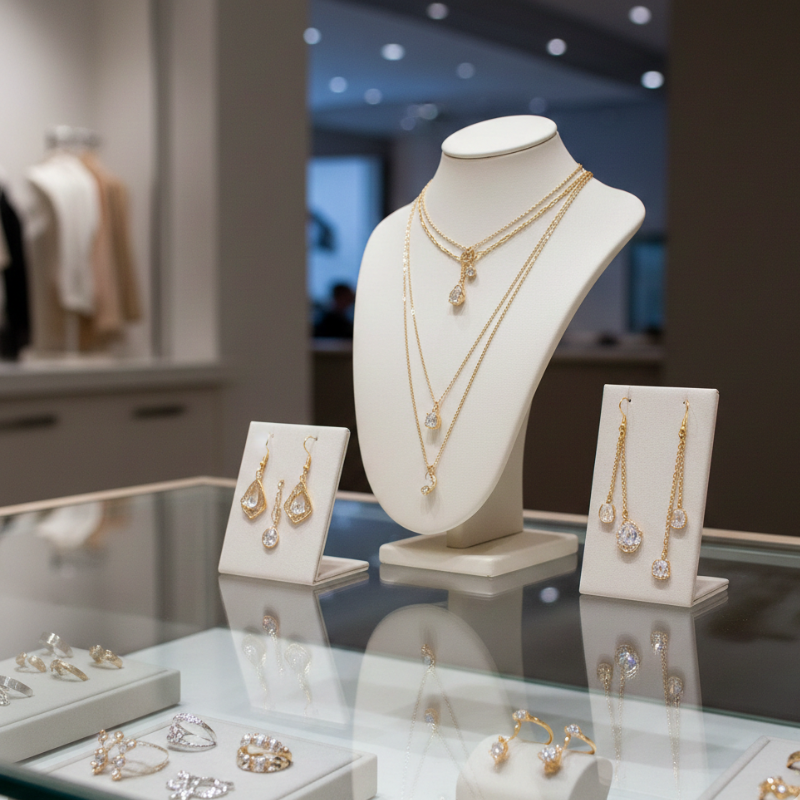
Thin chain necklaces have revolutionized travel jewelry because they’re lightweight, rarely tangle when stored properly, and create stunning visual impact when layered. A single delicate necklace measuring 16-18 inches with a small pendant sits perfectly at the collarbone, adding interest without overwhelming your outfit. Layer two or three varying lengths (16″, 18″, and 20″) and you’ve created a signature look that reads as intentionally styled rather than thrown together.
Popular pendant options include simple geometric shapes (circles, bars, triangles), meaningful symbols (initials, small charms, celestial motifs), or minimalist designs featuring a single small stone. These pendants typically measure 10-20mm, providing visual interest without the weight and bulk of larger statement pendants. The delicate chain—usually 1-1.5mm thick—virtually disappears, allowing the pendant to shine.
For maximum versatility, choose necklaces in varying lengths rather than all the same size. This prevents tangling during storage and creates natural layering when worn together. Many travelers swear by the 16″-18″-20″ combination: the 16″ sits at the base of the neck, the 18″ hits the collarbone, and the 20″ falls just below, creating a balanced, cascading effect that elevates even the simplest white t-shirt.
Small Hoops: The Perfect Transition Piece
Hoop earrings occupy that magical space between studs and statement earrings, offering more personality than simple studs while remaining appropriate for virtually any setting. Small to medium hoops measuring 15-25mm in diameter are ideal for travel—large enough to frame your face and add polish, small enough to avoid catching on scarves, clothing, or luggage straps.
Thin hoops (1-2mm tube thickness) offer a delicate, feminine look that pairs beautifully with both casual and dressy outfits. Chunky hoops (3-5mm thickness) make more of a statement and can transform a simple outfit instantly. Many travelers pack both styles, using thin hoops for daytime versatility and chunky hoops when they want more dramatic evening looks.
Continuous hoops—those without clasps—are particularly travel-friendly because there’s no closure mechanism to break or lose. They simply slide through your piercing and click securely into place. If you prefer traditional hoop closures, look for leverback or latch-back mechanisms rather than wire closures, which can bend and lose their shape during travel.
Stackable Rings: Flexible Style
Rings offer an often-overlooked opportunity for travel jewelry creativity. Thin, stackable rings allow you to wear anywhere from one to five on a single finger, adjusting your look based on the occasion and your mood. A simple band reads as understated elegance, while stacking multiple rings creates bohemian flair or modern edge depending on the designs you choose.
The advantage of stackable rings is their minimal packing footprint—five thin rings take up less space than a single chunky ring, yet offer far more styling versatility. Mix metals for contemporary style, stick to one metal for classic sophistication, or combine plain bands with gemstone-embellished rings for varied texture and visual interest.
For travel specifically, consider one or two slightly wider “statement” rings (3-6mm width) alongside several delicate stacking rings (1-2mm width). The statement rings can be worn alone when you want a more minimal look, while the thin rings layer beautifully for occasions when you want more personality. Avoid rings with high-set stones or intricate details that can catch on fabrics or get damaged during activities.
Simple Bracelets and Bangles: Arm Candy Made Easy
Bracelets add the finishing touch to any outfit, but travel bracelets need to balance beauty with practicality. Simple chain bracelets with small charms, thin bangles, and tennis-style bracelets featuring small stones create polish without bulk. Avoid heavy cuffs or charm bracelets loaded with dangling elements—they’re cumbersome to pack, wear, and maintain during travel.
Bangle bracelets in sets of 2-3 create beautiful movement and sound without the complication of clasps. Look for seamless bangles you can slip over your hand, eliminating the risk of clasp failure. Many travelers appreciate slip-on bangles because they can be put on quickly and never require assistance—important when you’re dressing in a small space or getting ready quickly.
For those who love the look of chain bracelets, seek designs with secure lobster claw closures and consider versions with adjustable lengths. Adjustability matters more than you might think—temperature changes, altitude, and sodium intake during travel can cause fingers and wrists to swell slightly, making fixed-size jewelry uncomfortable. An adjustable bracelet accommodates these natural fluctuations.
Convertible and Multi-Wear Pieces: Ultimate Efficiency
The most innovative travel jewelry serves multiple purposes. Necklaces that convert to bracelets by shortening the chain, earrings with removable drops that transform from statement to studs, and brooches that can be worn as pendants all maximize the value of each piece you pack. While convertible jewelry often costs more upfront ($80-200 per piece), the versatility justifies the investment for frequent travelers.
Look for necklaces with removable pendants that can be clipped onto bracelets or worn as charms. Some designs feature pendants with loops on both ends, allowing them to be worn vertically on a necklace or horizontally as a bracelet centerpiece. Earrings with jacket or enhancer designs let you wear simple studs alone for daytime, then add decorative elements for evening elegance—essentially giving you two pairs of earrings in one.
The key to convertible jewelry is ensuring each configuration looks intentional rather than improvised. The piece should appear complete and finished whether you’re wearing it as a necklace, bracelet, or in its alternate form. Test convertible pieces before your trip to confirm you can manage the conversion easily—complicated mechanisms that require tools or significant time won’t be practical when you’re rushing to meet friends for dinner.

Common Mistakes to Avoid When Traveling with Jewelry
Overpacking: The “Just in Case” Trap
The most prevalent mistake travelers make is packing “just in case” jewelry they’ll never wear. You envision wearing that elaborate statement necklace, chandelier earrings, or stacked arm party, but the reality of travel is that you’ll reach for the same 5-6 versatile pieces repeatedly. Research shows travelers use approximately 40% of the jewelry they pack, meaning 60% takes up valuable space and adds unnecessary worry about keeping track of multiple items.
Combat this tendency by laying out every jewelry piece you’re considering, then removing half. Still seems reasonable? Remove half again. This “half, then half again” method typically lands you at the right amount—around 6-10 pieces total including earrings, necklaces, bracelets, and rings. For a week-long trip, three pairs of earrings, two necklaces, one or two bracelets, and 2-3 rings cover every possible scenario without overburdening your luggage or mental energy.
Create a capsule collection specifically for travel and store it in a dedicated jewelry organizer that stays partially packed between trips. When you’re preparing for a journey, you simply grab your travel organizer, perhaps swapping one or two pieces based on your specific destination, and you’re ready to go. This system prevents last-minute overpacking and ensures you’re always bringing proven pieces you actually wear.
Bringing Valuable or Sentimental Pieces
The second most common mistake is traveling with jewelry you’d be devastated to lose. Your grandmother’s heirloom ring, the necklace your partner gave you for your anniversary, or those expensive designer earrings you saved months to purchase—these items belong at home, not in hotels, Airbnbs, or transit between destinations. Even with careful attention, items get lost during travel. Housekeeping may accidentally discard jewelry left on nightstands, pieces fall out of bags during packing rushes, and theft occurs even in seemingly safe destinations.
The emotional toll of losing a sentimental piece far exceeds any style benefit it provides during your trip. One traveler’s story captures this perfectly: she brought her late mother’s wedding ring to Europe for “comfort,” only to have it slip off her finger during a beach day. Despite hours of searching, the ring was never recovered. The loss overshadowed her entire trip and created lasting regret. Don’t let this happen to you.
Establish a firm rule: if losing a piece would truly upset you—whether because of monetary value over $200 or irreplaceable sentimental significance—it doesn’t travel. Period. Instead, purchase affordable but attractive alternatives that evoke the style you love. A $50 gold-toned ring can provide similar aesthetic appeal to your $2,000 gold heirloom without the anxiety and potential heartbreak.
Poor Storage Methods Leading to Tangles
Few things are more frustrating than opening your jewelry bag to find every necklace knotted together in an impossible tangle. This happens when jewelry is thrown into bags without proper organization, when pieces aren’t secured before packing, or when using inadequate storage solutions like plastic bags that allow jewelry to shift and intertwine during transit.
Proper storage begins with individual compartments for each piece. Roll necklaces and bracelets separately, then secure them with small jewelry pouches or designated compartments in a travel jewelry organizer. For necklaces specifically, threading the chain through a straw before clasping creates a tangle-proof solution—the straw keeps the chain straight and prevents it from knotting around itself or other pieces.
Invest in a quality jewelry travel case with specific spots for earrings, individual pockets for necklaces, and ring rolls or compartments. These organizers typically cost $20-60 and protect jewelry from tangling while also preventing pieces from scratching each other. The clear or mesh panel design lets you see all your jewelry at a glance, reducing the likelihood of leaving pieces behind when you check out of accommodations. Consider it travel insurance for your accessories—a small upfront investment that saves enormous frustration.
Ignoring Security Screening Considerations
Airport security creates unique challenges for jewelry wearers, yet many travelers don’t plan for this interaction, resulting in delays, stress, or even items left behind at checkpoints. While most jewelry doesn’t need to be removed for screening, bulky pieces, particularly those containing significant metal or multiple layers, may trigger additional screening that requires removal.
Smart travelers wear minimal jewelry through security: simple stud earrings or small hoops, a thin necklace, perhaps a simple ring or two. Save layered necklaces, stacked bracelets, and multiple rings for after you clear security. If you must wear more substantial jewelry, pack a small bag in your carry-on specifically for storing jewelry during screening—this prevents the panicked juggling of pieces while trying to collect your belongings from the security belt.
Be particularly mindful in international airports with varying security protocols. Some countries require all jewelry removal, others are more lenient. When in doubt, arrive wearing only your most essential pieces and pack everything else securely in your carry-on. Never place jewelry in checked luggage, where it’s vulnerable to theft and loss, with limited recourse if it disappears.
Not Considering Destination-Appropriate Styles
Jewelry that’s perfect for New York or London might be inappropriate or even unsafe in other destinations. In some cultures, flashy or expensive-looking jewelry can mark you as a tourist and potential theft target. In conservative destinations, certain jewelry styles may be considered inappropriate or disrespectful. Even the type of activities you’ll be doing should influence your jewelry choices—trekking in Patagonia requires very different accessories than attending opera performances in Vienna.
Research your destination’s cultural norms before packing. Middle Eastern countries often have modesty expectations that extend to jewelry—overly flashy or body-hugging pieces may be frowned upon. In some Asian cultures, certain gemstones or symbols carry specific meanings you should be aware of. Latin American cities with higher crime rates warrant more understated jewelry choices to avoid attracting unwanted attention.
Match your jewelry to your itinerary as well. Adventure-focused trips call for minimal, secure pieces—perhaps just stud earrings and a simple necklace you can forget you’re wearing. City breaks with museums, restaurants, and cultural activities warrant a fuller jewelry wardrobe. Beach destinations need water-resistant pieces if you plan to wear jewelry swimming or during water activities. Adjust your packing list based on where you’re going and what you’ll actually be doing there.
Forgetting About Climate Effects on Materials
Different climates wreak havoc on certain jewelry materials, and many travelers don’t realize this until they see their favorite pieces tarnished, corroded, or damaged. Tropical humidity accelerates tarnishing in silver, sometimes turning a bright sterling piece dull and blackened within days. Salt air in coastal areas corrodes certain metals, particularly lower-quality alloys. Extremely dry climates can cause some materials to become brittle or lead to skin sensitivity with certain metals as your body chemistry changes.
Before traveling to humid destinations, coat silver jewelry with clear nail polish or anti-tarnish spray, or simply opt for tarnish-resistant alternatives like stainless steel, titanium, or rhodium-plated silver. In beach destinations, remove jewelry before swimming—both chlorinated pools and salt water accelerate corrosion. Even “water-resistant” jewelry benefits from being removed before aquatic activities.
Temperature extremes also matter. Very hot climates cause metal to expand, which can make rings feel tighter and increase the risk of losing them. Cold climates have the opposite effect, causing rings to become loose. If you’re traveling to destinations with significant temperature differences from home, consider adjustable rings or be prepared to move rings to different fingers as needed to maintain secure fit.
Frequently Asked Questions
How many jewelry pieces should I pack for a week-long trip?
For a standard week-long trip, 8-12 pieces provide ample variety without overpacking: three pairs of earrings (one simple stud, one small hoop, one slightly dressier option), two necklaces that layer well together, one or two bracelets, and 3-4 rings including any you wear daily. This selection covers casual daytime activities, nice dinners, and any formal events while remaining lightweight and manageable. Weekend trips need even less—perhaps 2 pairs of earrings, 1 necklace, and your essential everyday rings. Extended travel of 2-3 weeks doesn’t require significantly more jewelry; the same 8-12 pieces rotate through your outfits just fine, as jewelry is worn multiple times unlike clothing that might need more variety over longer periods.
What’s the best way to store jewelry while traveling?
Dedicated jewelry travel organizers with individual compartments offer the best protection and organization. Look for cases with ring rolls (fabric tubes with individual slots for rings), earring pages (fabric panels with pairs of holes for studs and posts), and separate zippered pockets for necklaces and bracelets. The compact, book-style designs fold to about 6×4 inches, fitting easily in carry-on bags while keeping everything secure and visible. For ultra-minimalists, even a simple pill organizer works beautifully—each compartment holds one jewelry piece, preventing tangles and providing cushioned protection. Whatever storage method you choose, keep it in your carry-on, never checked luggage, and store it in the same spot in your bag for every trip so you develop muscle memory of where your jewelry lives.
Can I wear jewelry through airport security?
Yes, most jewelry can be worn through airport security without removal. Small, everyday pieces like simple earrings, thin necklaces, standard rings, and delicate bracelets typically don’t trigger additional screening. However, bulky items—large belt buckles, multiple layered necklaces, stacked bracelets, or jewelry with significant metal content—may require additional screening or removal. Body jewelry and piercings generally don’t need to be removed unless they’re exceptionally large. To streamline security, wear your simplest pieces through the checkpoint and add layered or statement jewelry afterward. If you do need to remove jewelry, have a small pouch ready in your carry-on specifically for this purpose to avoid losing pieces in the chaos of the security line.
How do I prevent jewelry from tarnishing during travel?
Prevention starts with material selection—choose tarnish-resistant metals like stainless steel, titanium, or rhodium-plated silver rather than pure silver. For silver pieces you do bring, store them in anti-tarnish bags or pouches (available for $5-15 for a pack) that contain materials absorbing sulfur compounds that cause tarnishing. Silica gel packets in your jewelry organizer help control moisture in humid climates. Before traveling to tropical or coastal destinations, apply a thin coat of clear nail polish or anti-tarnish spray to silver jewelry. Keep jewelry dry—remove pieces before showering, swimming, or engaging in sweaty activities. After wearing, wipe pieces with a soft cloth before storing to remove oils, lotions, and sweat that accelerate tarnishing. If pieces do tarnish during travel, small jewelry polishing cloths (available at drugstores for $3-8) quickly restore shine.
Should I bring real or costume jewelry when traveling?
This depends on your destination, activities, and risk tolerance, but generally, affordable real jewelry (10-14k gold, sterling silver, semi-precious stones) or high-quality costume jewelry offers the best balance of appearance and practicality for travel. Extremely expensive fine jewelry with precious stones creates anxiety about loss or theft and makes you a potential target. Very cheap costume jewelry tarnishes quickly and may irritate skin, particularly as your body chemistry changes during travel due to different water, climate, and stress levels. The sweet spot is real jewelry in the $50-200 per piece range or premium costume jewelry from reputable brands in the $30-80 range—pieces that look beautiful and last well but won’t devastate you financially or emotionally if lost. For destinations with higher theft risk, lean toward the more affordable end of this spectrum; for secure destinations with formal events, higher-quality pieces make sense.
What jewelry works best for adventure travel versus city breaks?
Adventure travel demands minimal, secure jewelry: small screw-back stud earrings that won’t fall out during activities, perhaps one thin, durable necklace in a short length (16″) that won’t interfere with backpack straps, and silicone rings if you want to wear rings without risk of damage or loss. Skip bracelets entirely for adventure travel—they catch on equipment, branches, and gear. Choose waterproof materials like stainless steel or titanium if water activities are planned. City breaks allow for fuller jewelry wardrobes: multiple earring options from studs to small drops, layering necklaces, bracelets, and more diverse ring choices. You’ll have opportunities to dress up for restaurants, museums, and cultural events, so bring pieces that transition from daytime sightseeing to evening elegance. Even in cities, however, avoid overly flashy or expensive-looking pieces in areas with higher crime rates.
How can I protect my jewelry from theft while traveling?
Prevention is your best defense against jewelry theft. First, never leave jewelry visible in your hotel room—use the in-room safe for pieces you’re not wearing, or keep your jewelry organizer in a locked suitcase rather than out on counters or nightstands. When sightseeing, wear jewelry under clothing when possible, particularly necklaces that can be tucked under shirts. Consider a small cross-body purse with RFID-blocking features and interior zipper pockets for storing jewelry when you remove it during the day. Avoid wearing jewelry that makes you stand out as a wealthy tourist—locals in most destinations wear subtle, everyday pieces, and you should too.
Take photos of all jewelry you’re traveling with before your trip, including close-ups showing any distinctive features. This documentation helps with insurance claims and police reports if theft does occur. Consider travel insurance that covers personal items, including jewelry up to certain limits (typically $500-1,000 per item). Some credit cards offer travel protection that includes coverage for stolen belongings when you book travel with that card. Finally, stay alert in crowded tourist areas, public transportation, and airports—these are hotspots for opportunistic theft. If a destination feels unsafe, leave jewelry in your accommodation’s safe and go without rather than risking both your jewelry and your safety.
Conclusion: Travel Smart, Look Fabulous
Mastering the art of travel jewelry transforms how you experience your journeys. No more anxiety about lost heirlooms, tangled necklaces, or feeling underdressed because you overpacked the wrong items. Instead, you’ll move through your travels with confidence, knowing that your carefully curated selection of versatile, durable, and stylish pieces has every outfit and occasion covered.
Remember the core principles: choose quality materials that withstand travel’s rigors, prioritize versatility over quantity, invest in proper storage, and match your jewelry choices to your destination and activities. Whether you’re embarking on a weekend getaway or a month-long adventure, the right travel jewelry collection ensures you look and feel your best without the burden of excessive accessories or the worry of valuable pieces.
Start building your travel jewelry capsule today. Audit your current collection, identify pieces that meet travel criteria, and thoughtfully fill any gaps with purposeful purchases. Your future traveling self will thank you every time you effortlessly pull together a polished look in minutes, all while knowing that everything you’re wearing is secure, appropriate, and exactly what you need. Here’s to looking fabulous wherever your adventures take you.